
Understanding Communication & Supporting Early Language Development
May is National Speech-Language-Hearing Month, a time to raise awareness about communication development and celebrate the many ways children learn to connect with the world around them.
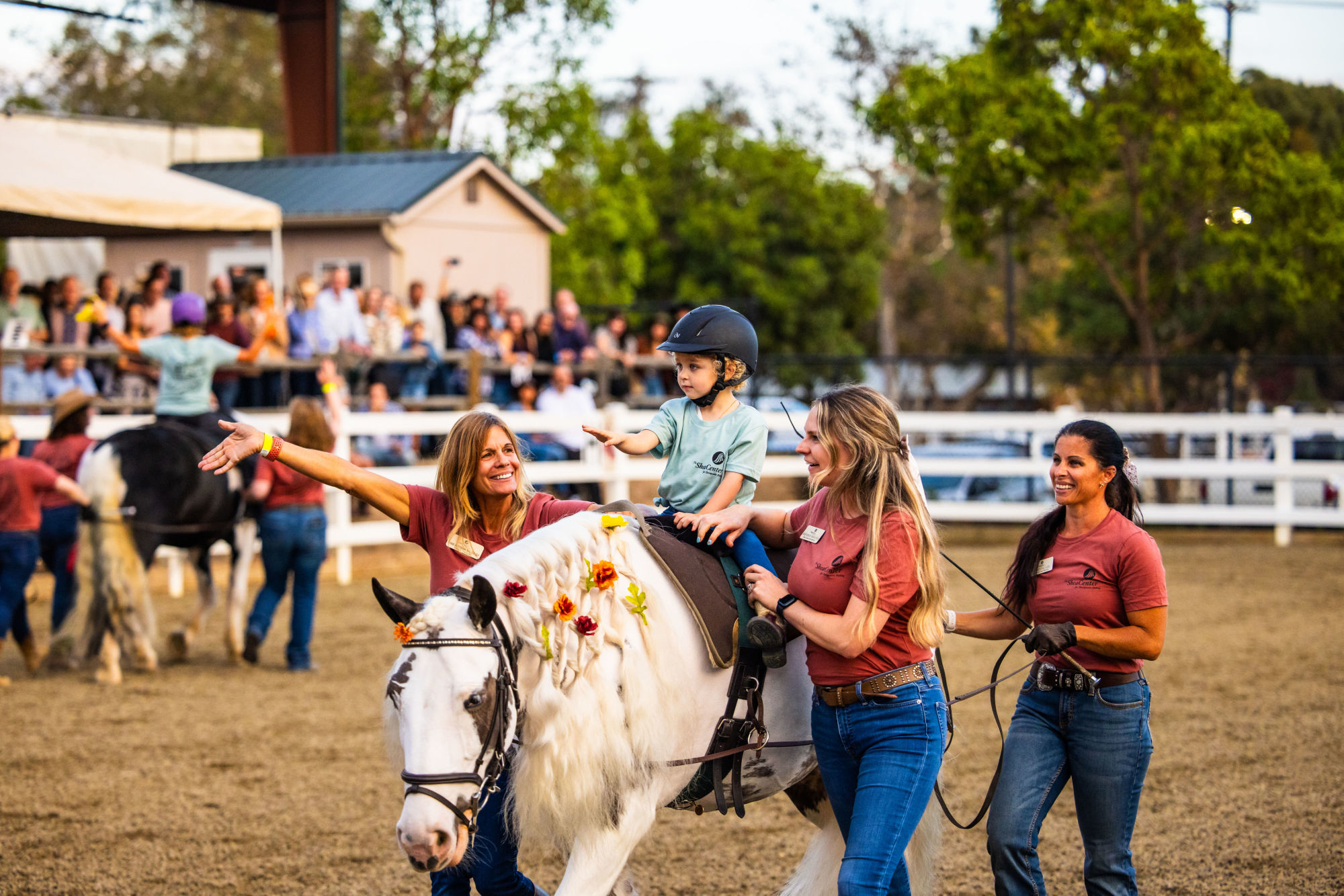
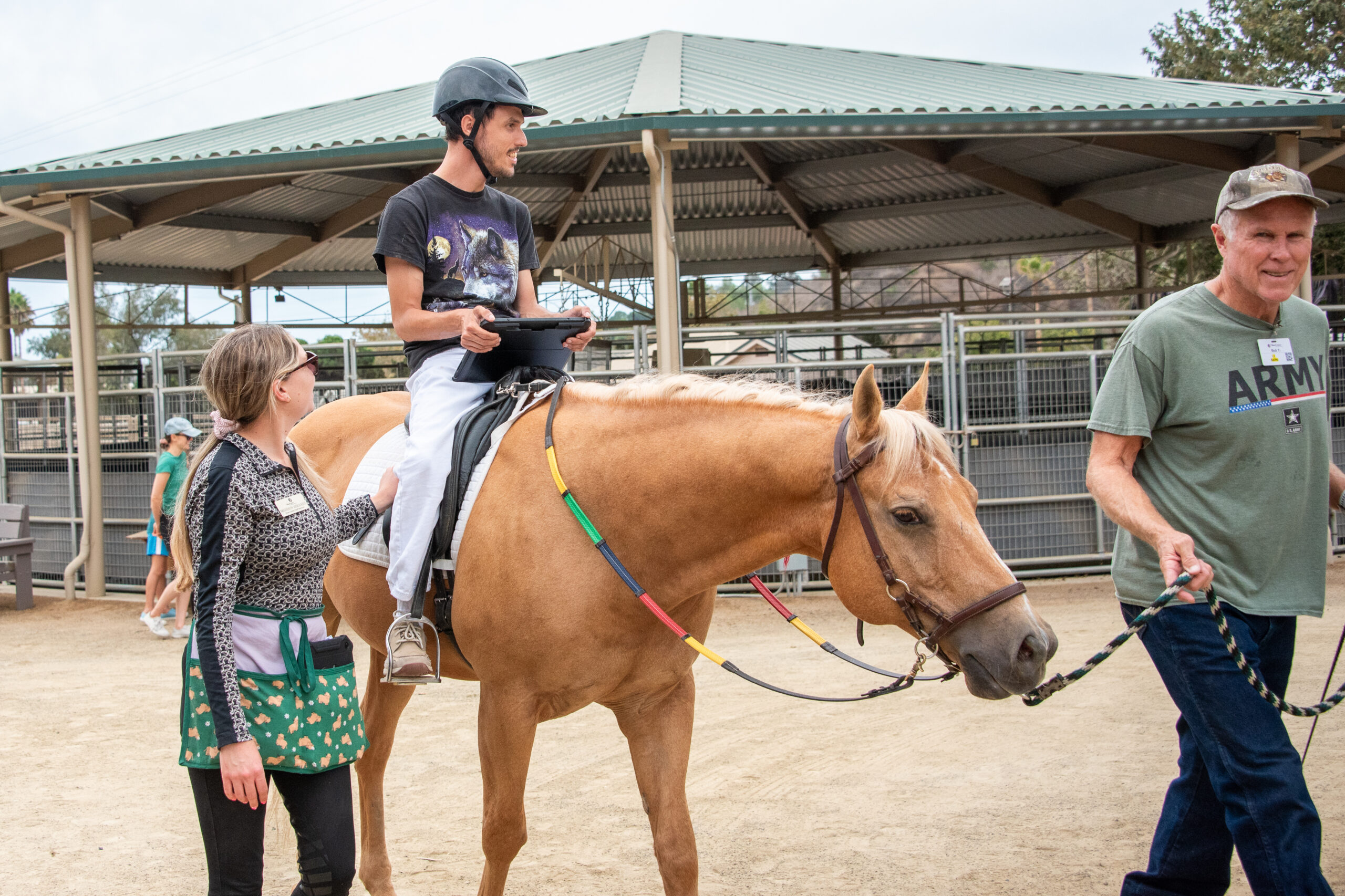
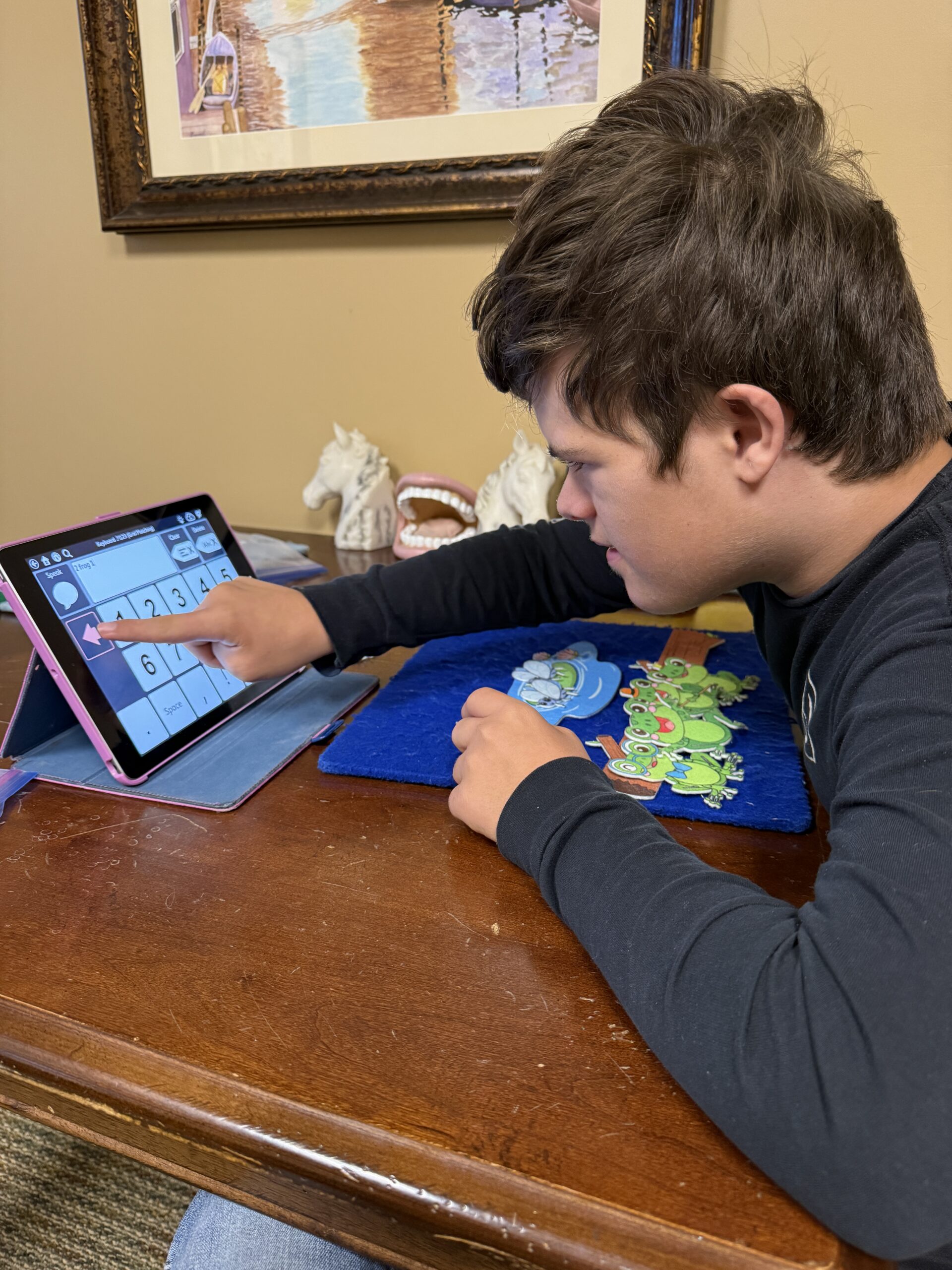
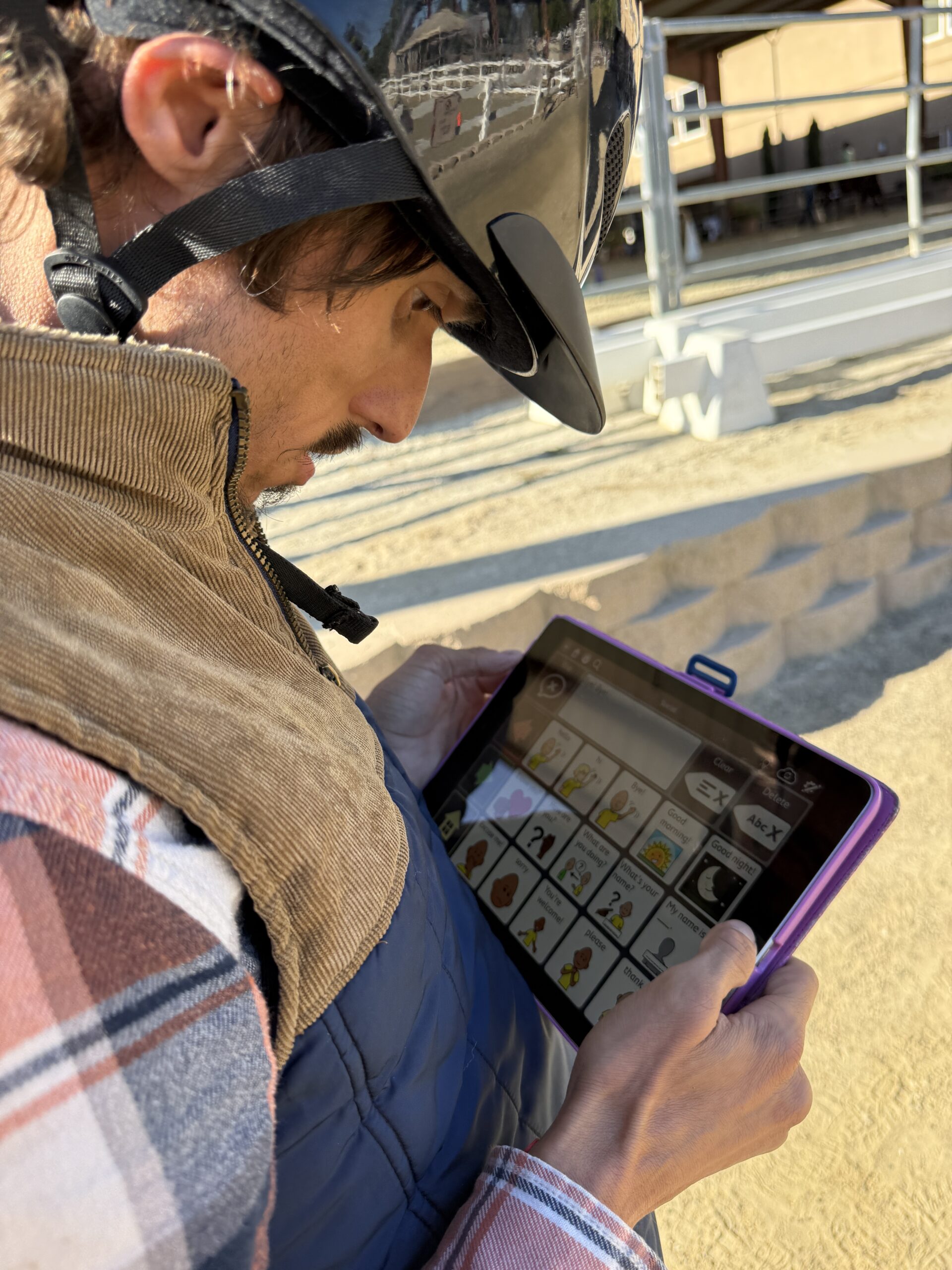
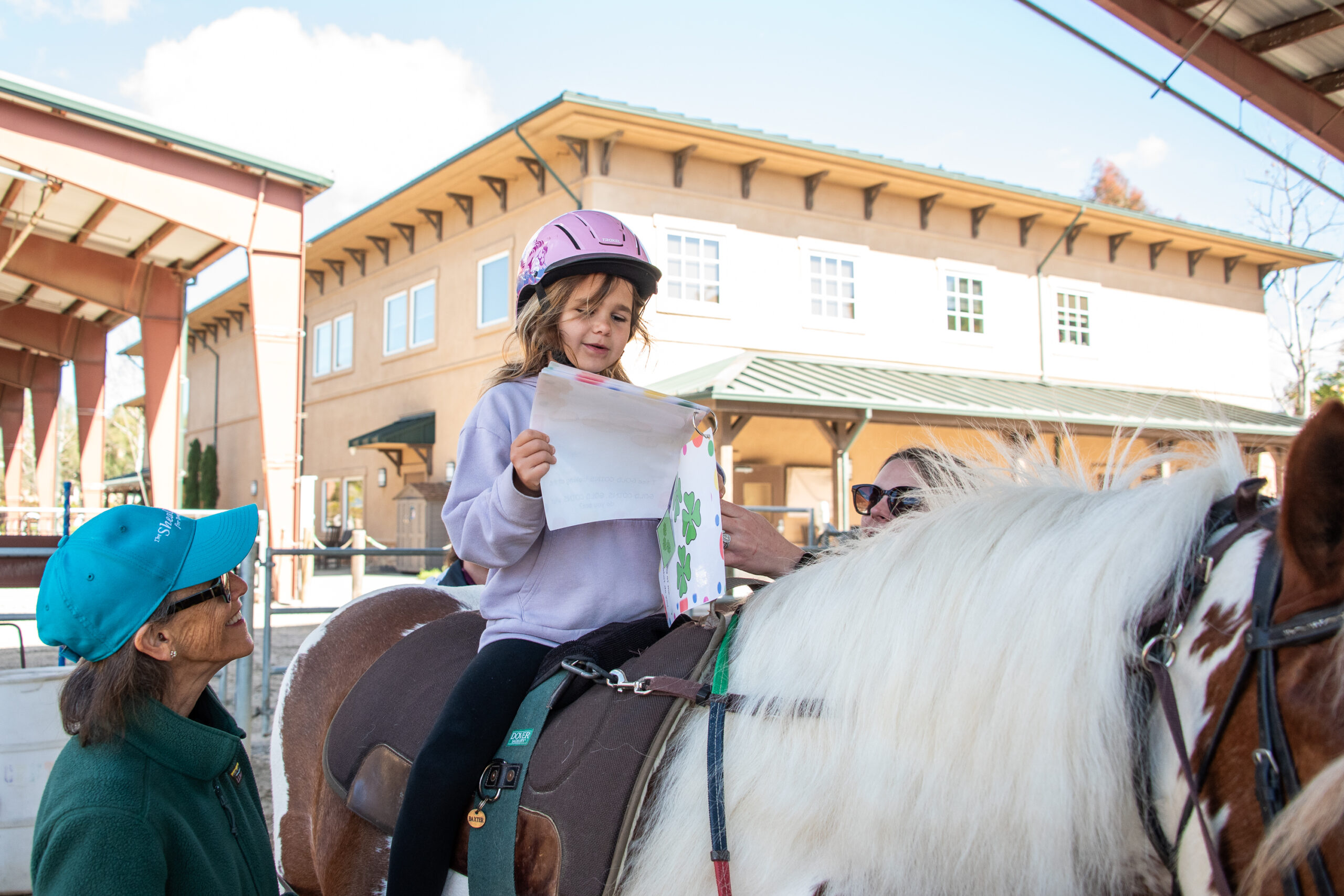
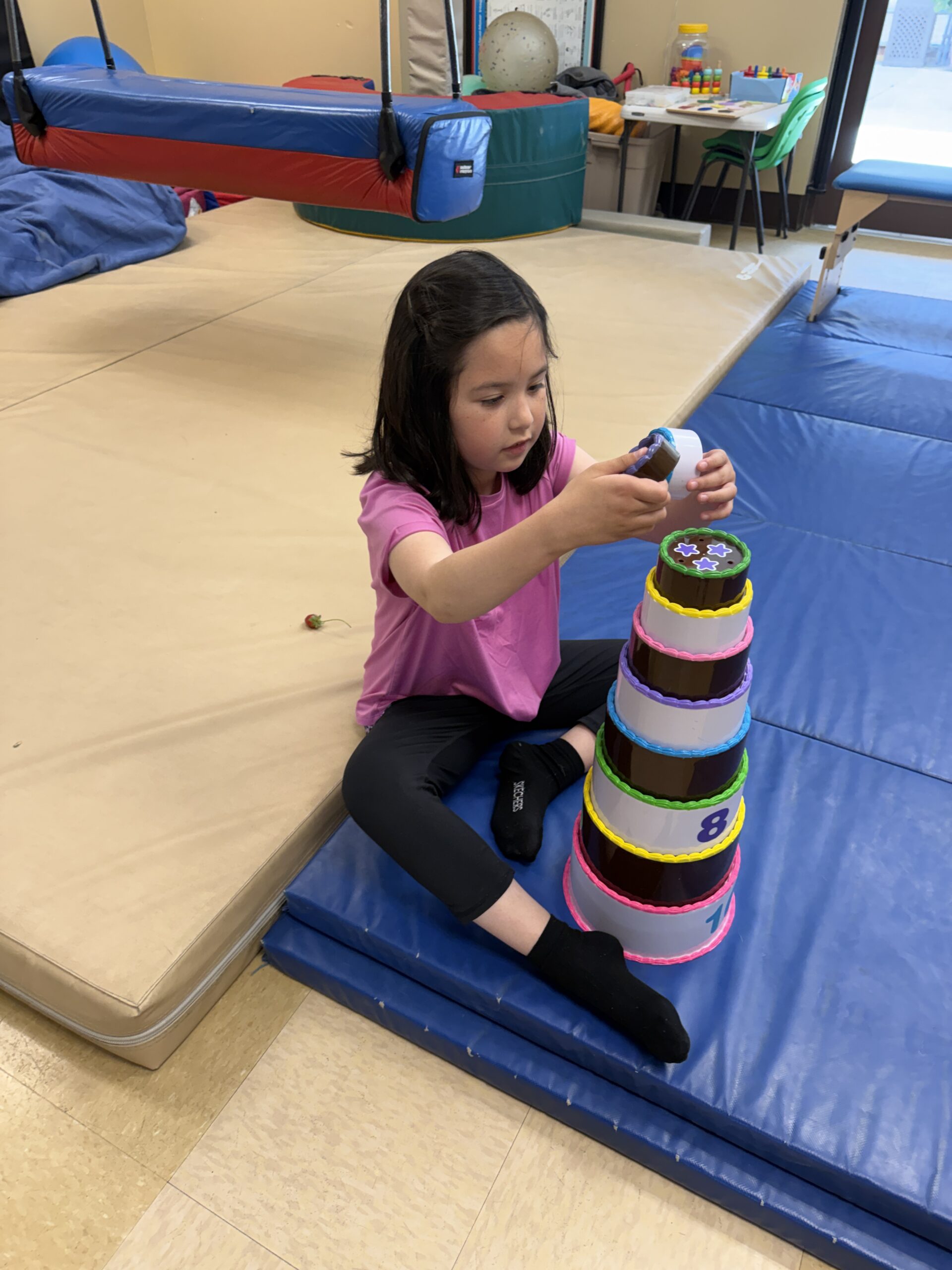
💬 Communication grows through connection. Whether in the clinic or through movement-based therapy, we focus on helping each of our clients feel engaged, confident, and successful. At The Shea Center, we know communication looks different for every child, and even small moments of connection can play a powerful role in supporting growth and confidence.
Speech vs. Language… What’s the Difference?
Many parents hear the terms speech and language used together, but they actually describe different parts of communication:
Speech
Speech refers to how we say sounds and words, including:
- Voice- using our vocal cords to create voice to make sounds
- Articulation- how speech sounds are made using breath, the mouth, lips and tongue
- Fluency- the rhythm and flow of speaking
Language
Language refers to how we understand and use words, including:
- understanding & expressing vocabulary
- expressing wants, needs, and ideas
- expressing organized and grammatically correct sentences
- processing and following directions
- engaging socially
A child may experience challenges with speech, language, or both—and understanding the difference can help families better support their child’s communication journey.
Simple Early Intervention Tips to Encourage More Words
Supporting communication development doesn’t have to feel overwhelming. Meaningful interaction during everyday routines can make a big impact.
✨ Make comments instead of asking questions
Instead of:
“What’s that?”
Try:
“That’s a car! It’s going fast!”
This reduces pressure and gives children clear language models to hear and learn from.
✨ Talk during play
Narrate what your child is doing during playtime:
“Push the truck!”
“The cow is eating!”
Simple, repetitive language helps children connect words with actions and experiences.
✨ Get face-to-face
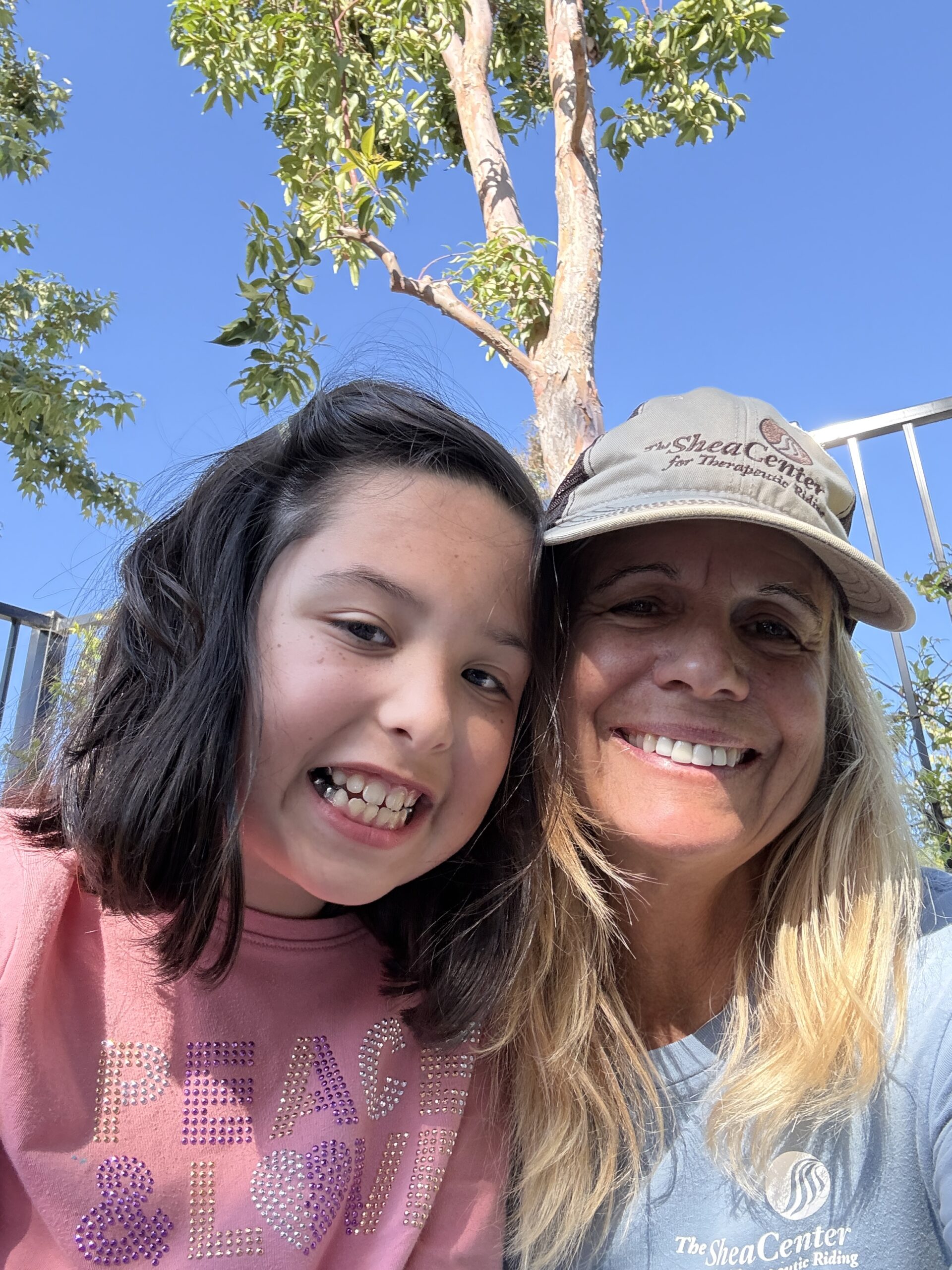
Being at your child’s eye level helps them watch your mouth, facial expressions, and gestures as they begin attempting sounds and words.
✨ Reduce pressure to speak
Children learn best when they feel relaxed, connected, and supported—not tested.
When adults model language naturally throughout the day, children are constantly learning through observation and interaction.
Creating Meaningful Connections
Every child develops communication skills at their own pace, and early support can help foster confidence, engagement, and connection.
This National Speech-Language-Hearing Month, we encourage families to celebrate progress in all forms and remember that communication is about more than words—it’s about connection.