
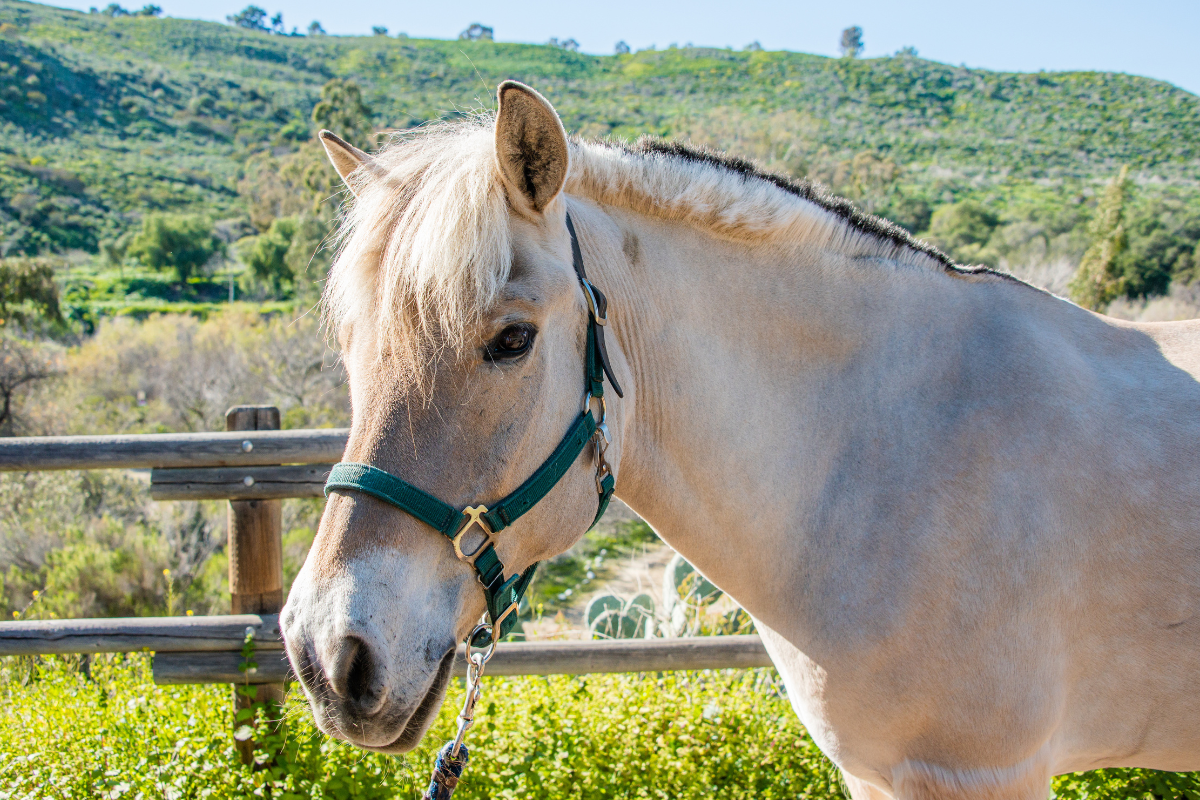
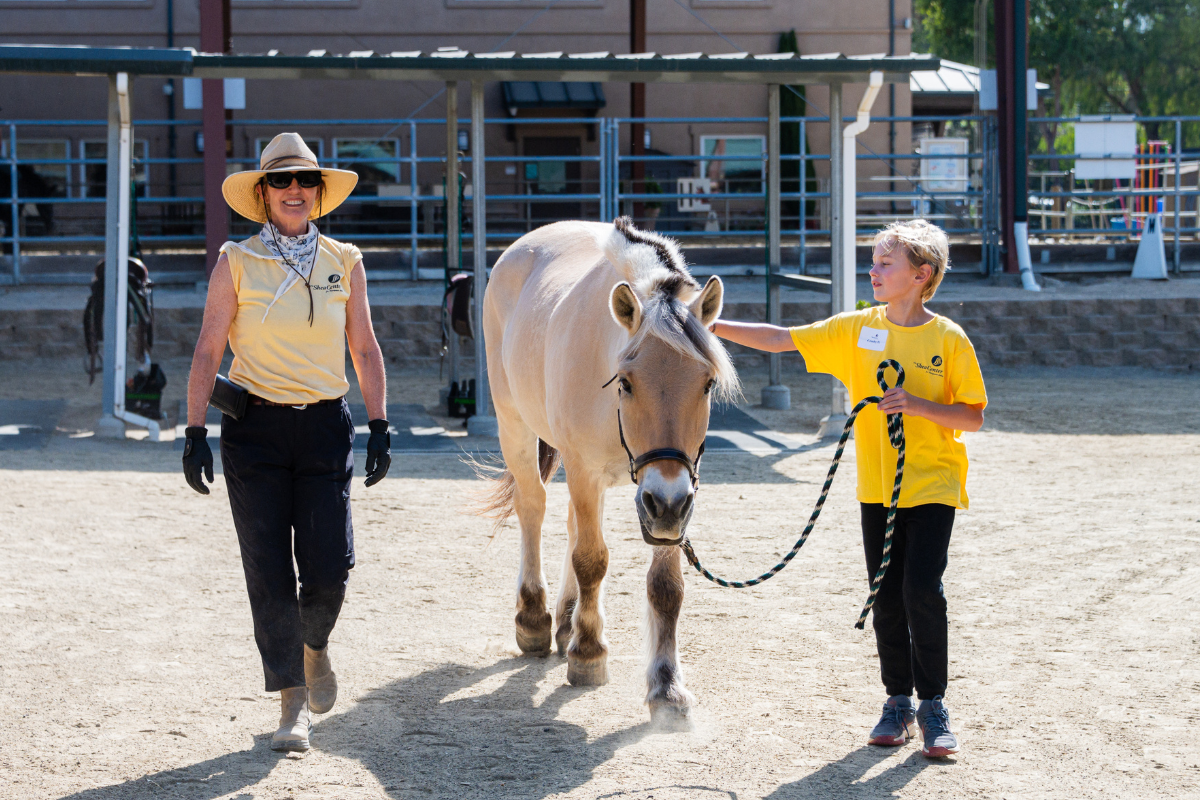
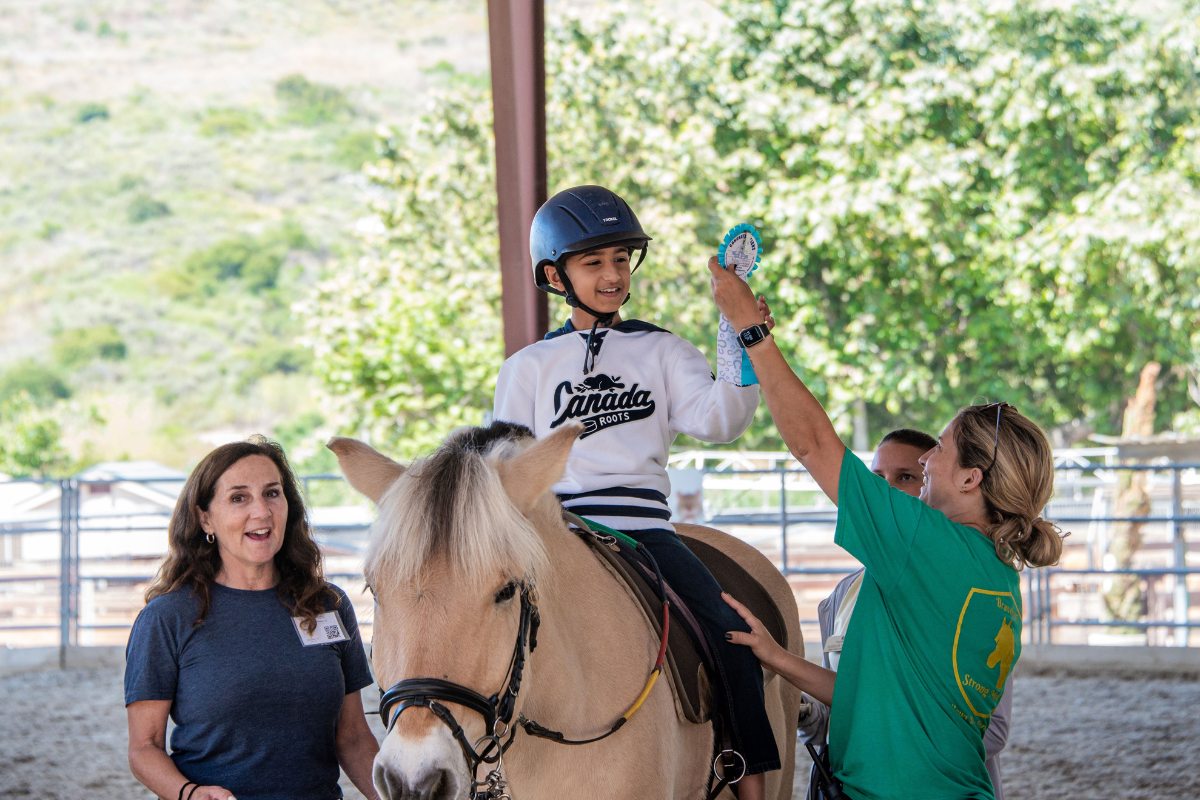
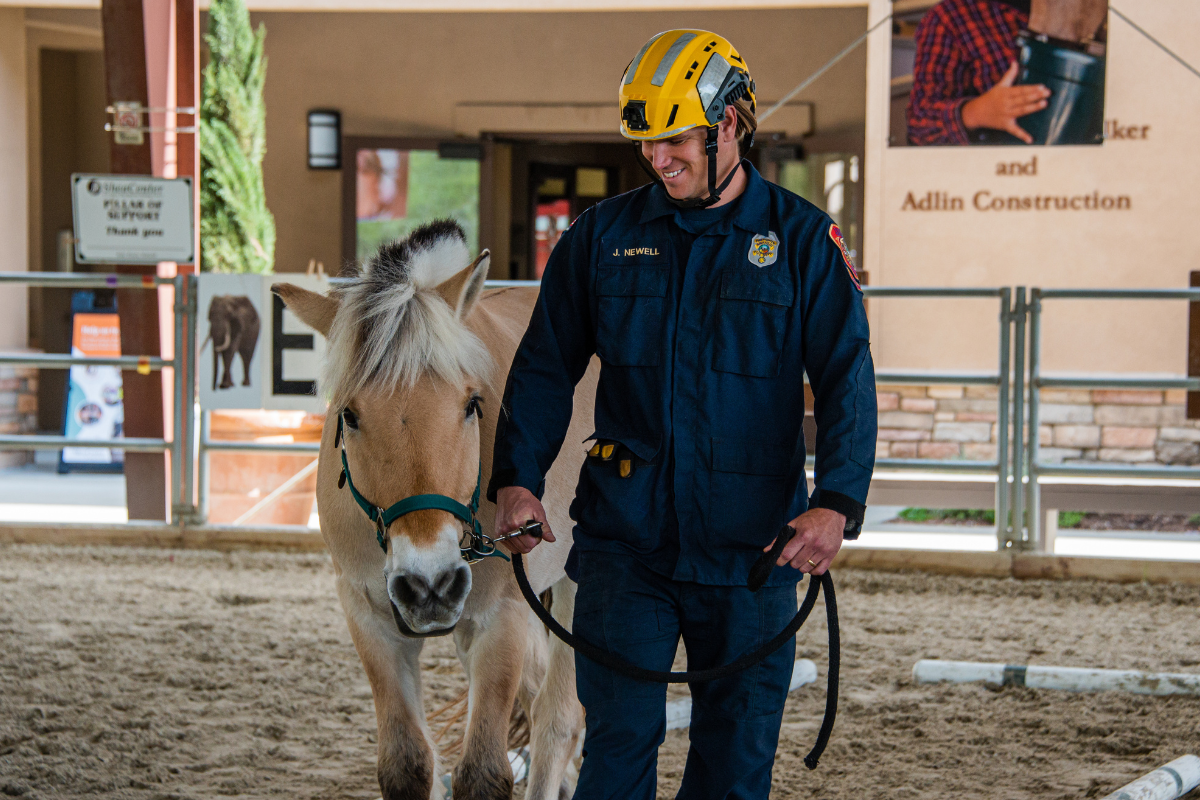
If you’ve spent time at The Shea Center, you’ve probably noticed Artex—sometimes known as “Muffin” around the barn—and his unmistakable mohawk. But have you ever wondered why his mane looks like that? Well, it’s not just a bold hairstyle. That mohawk is a signature feature of his breed!
Meet the Norwegian Fjord
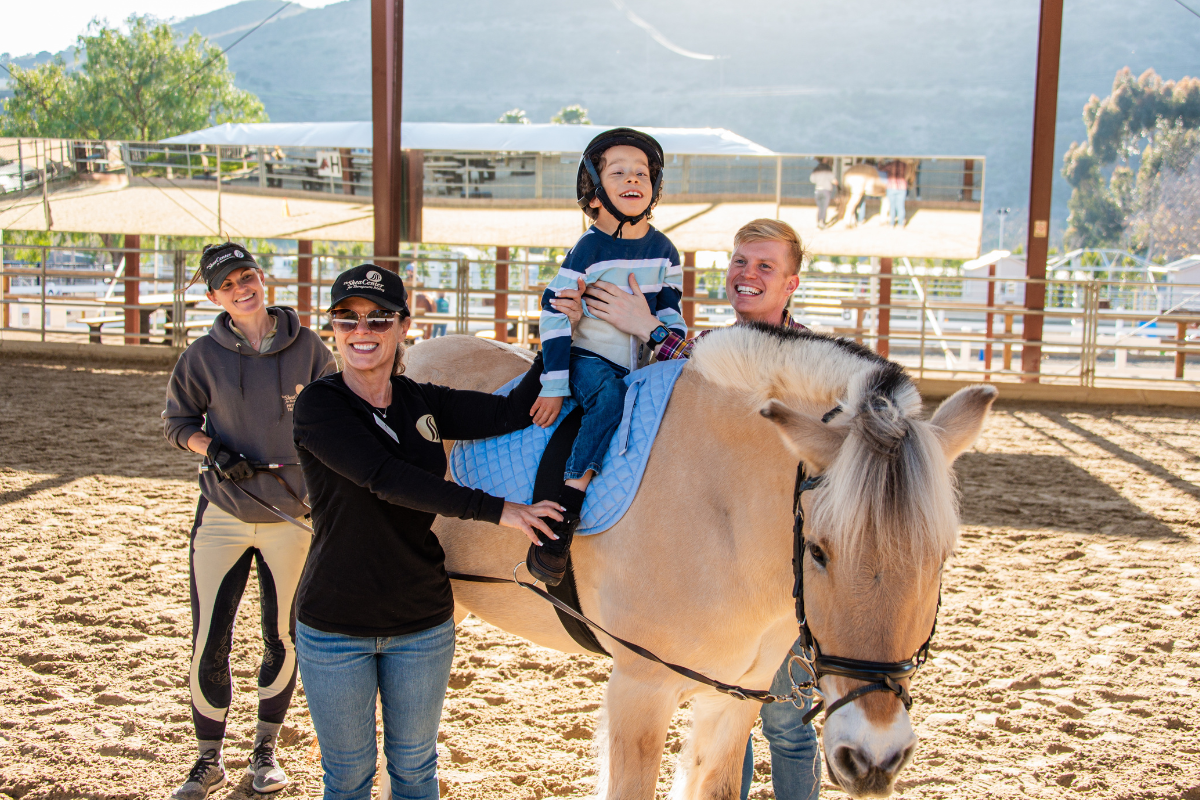
Artex is a Norwegian Fjord, one of the world’s oldest and purest horse breeds. The breed has strong ties to the Vikings, and its compact, muscular build, low center of gravity, and sure-footedness made Fjords well-suited for rugged terrain—and even respected as war mounts.
The Mohawk Has a Purpose
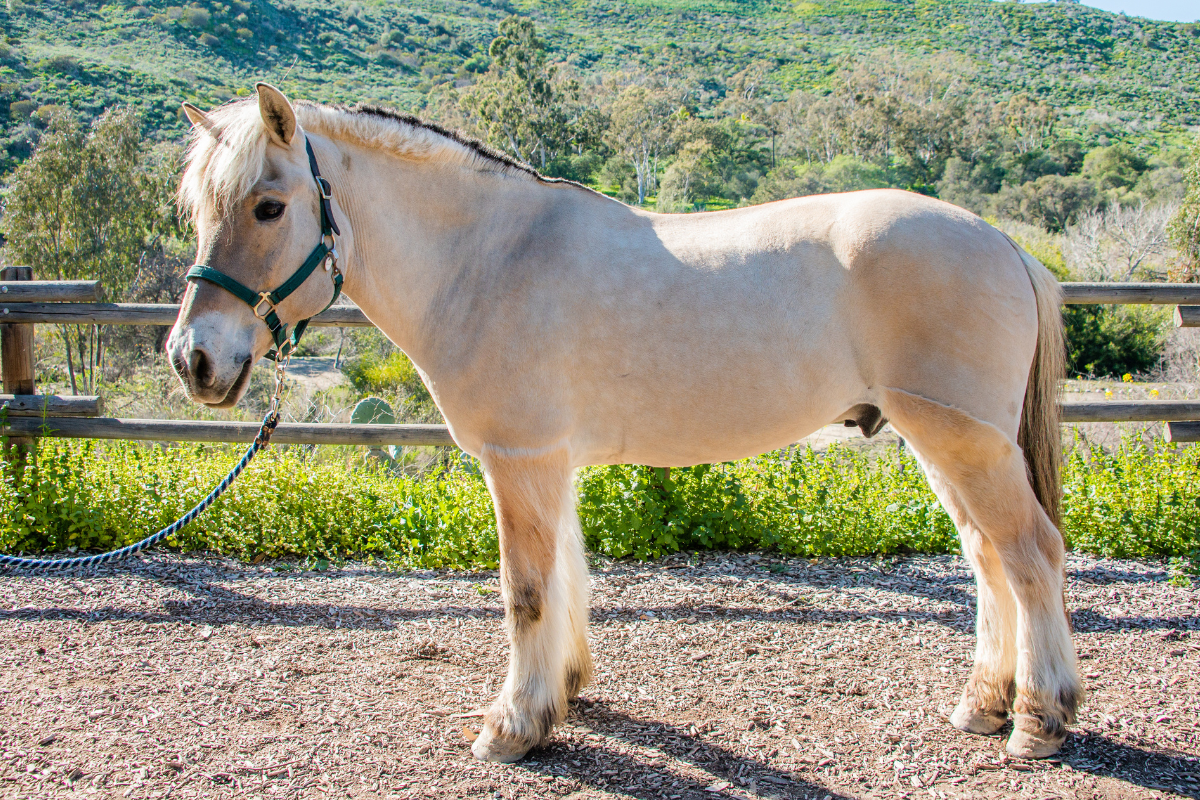
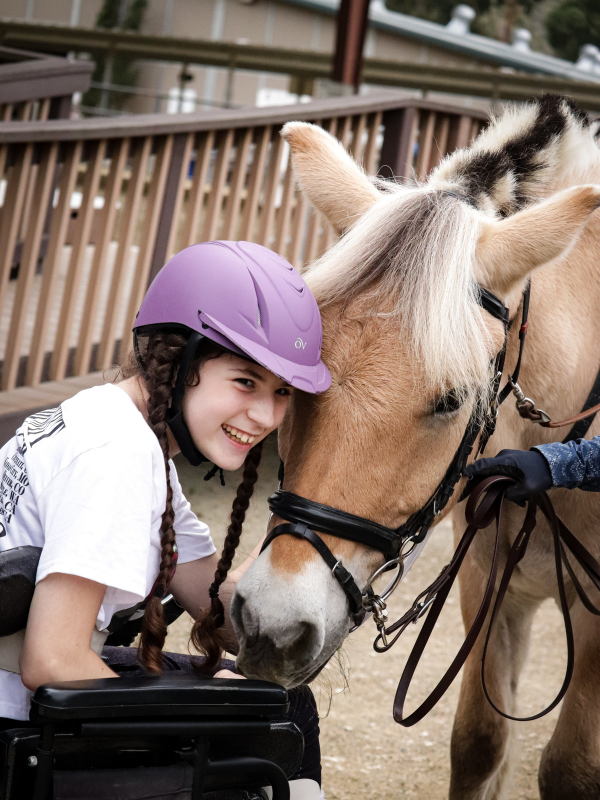
One of the most recognizable features of a Norwegian Fjord is its mane. Fjords have a prominent dorsal stripe, a dark line of hair that runs along the spine from the forelock all the way through the tail. Unlike the dorsal stripe found on many other dun-colored horses, a Fjord’s stripe continues right through the center of its mane. The mane is traditionally trimmed short so it stands upright, like a mohawk revealing the dark center between the lighter outer hairs. It’s one of the features that makes Artex so easy to spot around the barn.
And What About His Color?
That distinctive coloring is another trademark of the breed. About 90% of Fjord horses have the classic brunblakk, or brown dun, coloring. The dun gene lightens the horse’s body color while preserving primitive markings, such as darker legs and, in some horses, zebra-like striping. These markings are thought to be remnants of patterns found in ancient and wild horse populations.
One More Horse Fact
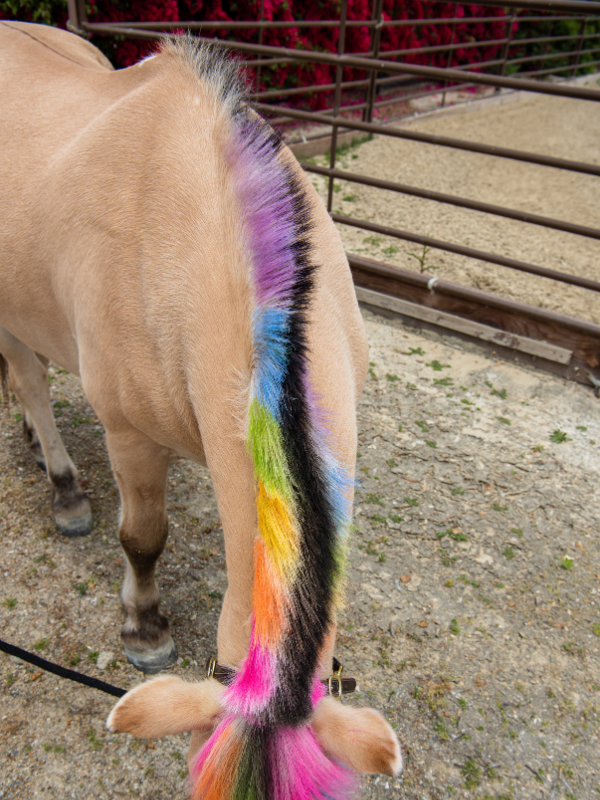
Here’s where horse coloring gets a little tricky: Every true dun has a dorsal stripe, but having a dorsal stripe doesn’t necessarily mean a horse is a dun. Other genes can produce a similar-looking stripe on horses that aren’t dun at all. So the next time you spot a horse with a stripe down its back—or a particularly impressive mohawk—you’ll know there’s a little more to it than meets the eye.