
When Rosie Jane was just three years old, she was diagnosed with acute lymphoblastic leukemia (ALL) and underwent 27 months of chemotherapy. Although she has been off treatment for four years, the effects of chemotherapy and spinal procedures have left her with neurological challenges that affect her everyday life. Her brain has difficulty communicating with her body, making it hard to recognize hunger, thirst, and other physical needs, regulate her body temperature, and process information.
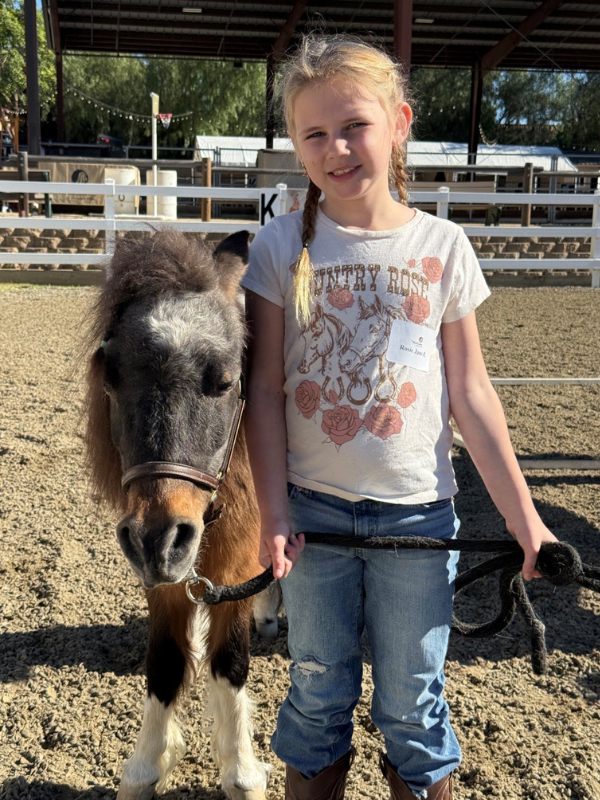
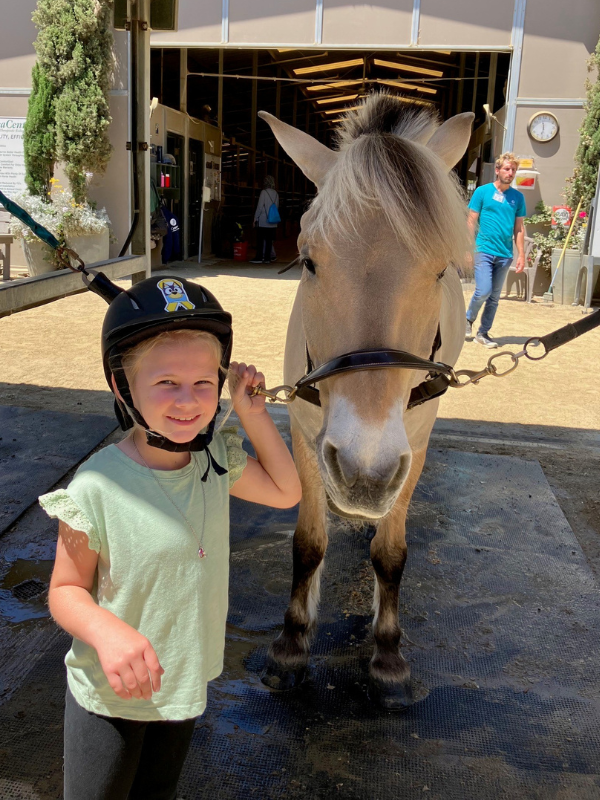
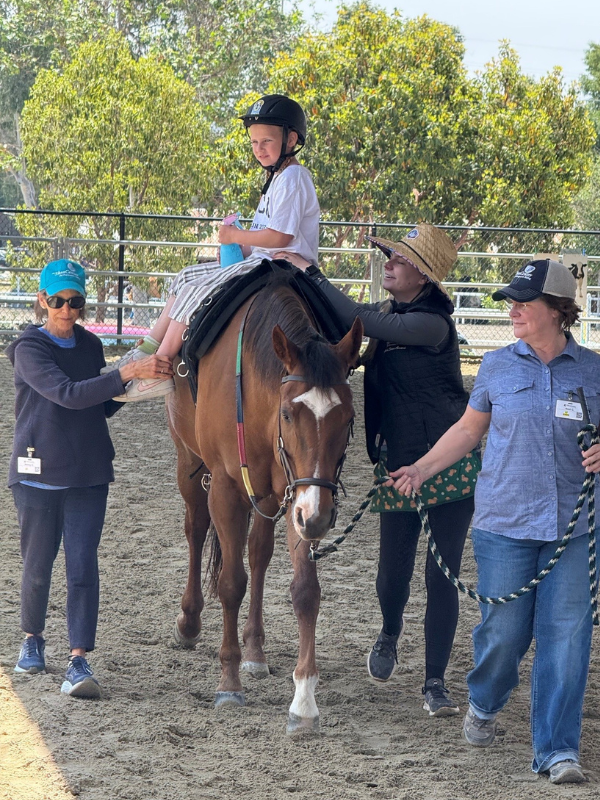
Three years ago, Rosie’s mother, Emily, learned about The Shea Center through the Brynn Wheeler Foundation and NEGU Jessie Rees Foundation. After participating in traditional clinical therapies, Rosie began receiving physical, occupational, and speech therapies incorporating equine movement, along with adaptive riding. The horse’s movement encourages balance, coordination, and activities that cross the body’s midline, helping Rosie develop skills that support communication between her brain and body.
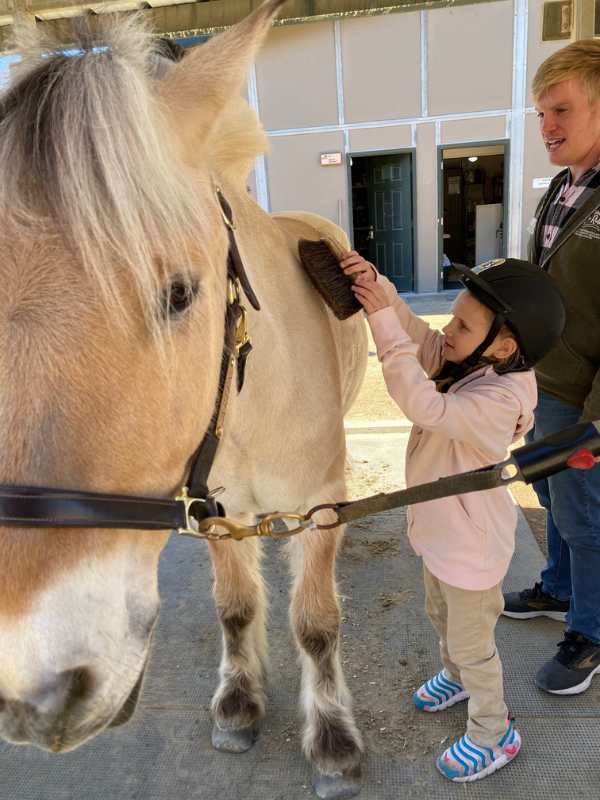

Initially, Rosie was anxious, shy, and hesitant to participate. Emily served as her sidewalker because Rosie was uncomfortable being separated from her mother. After about two months, however, Rosie began to feel more at ease. Her confidence increased, and she showed improvements in strength, language, and her ability to remember sequences.
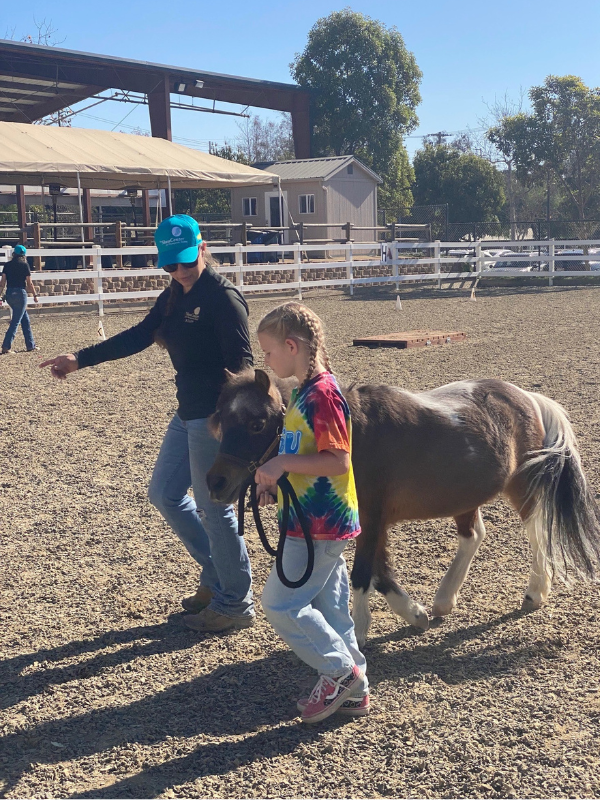
Today, Rosie is in third grade and making progress in school. Although she continues to have difficulty concentrating, following multistep instructions, and processing new information, she is beginning to retain more of what she learns.
Rosie is also becoming more comfortable socially. After spending much of her early childhood at home or in the hospital, she was initially hesitant to interact with other children. Now, she enjoys coming to Shea, where she is beginning to play with other children and develop confidence with her peers.
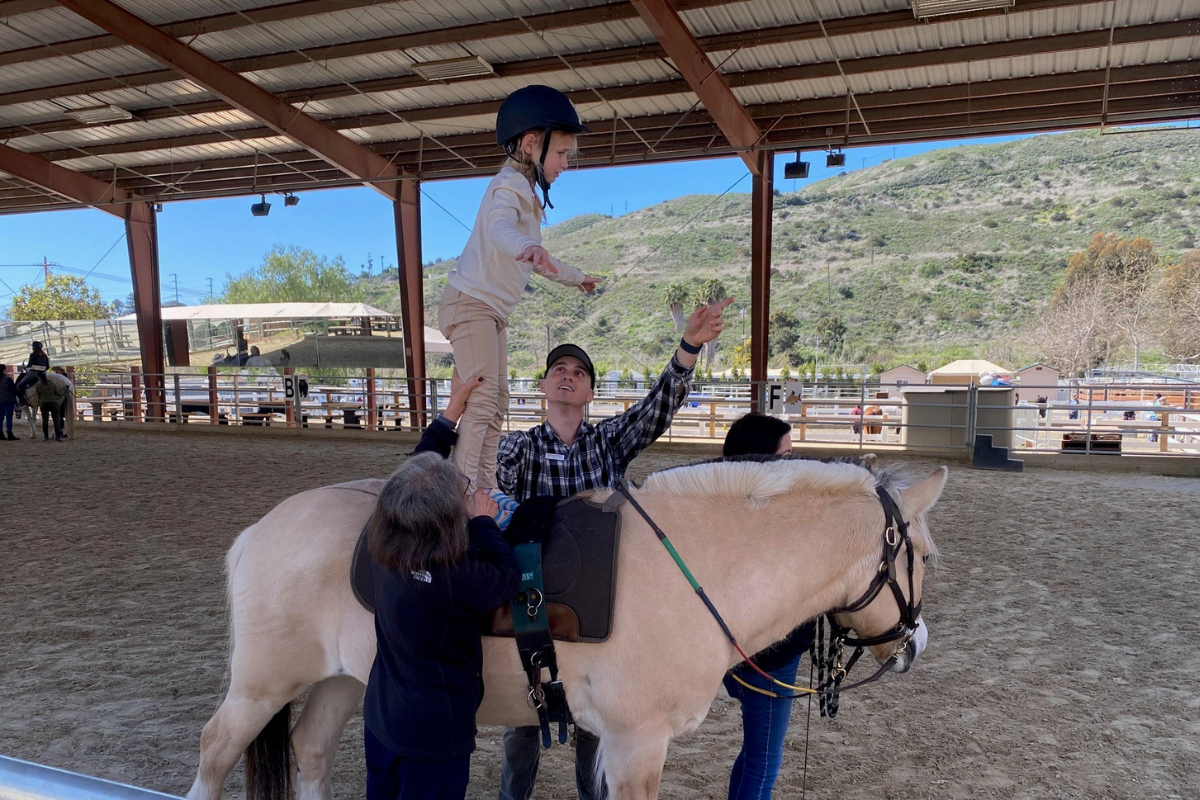
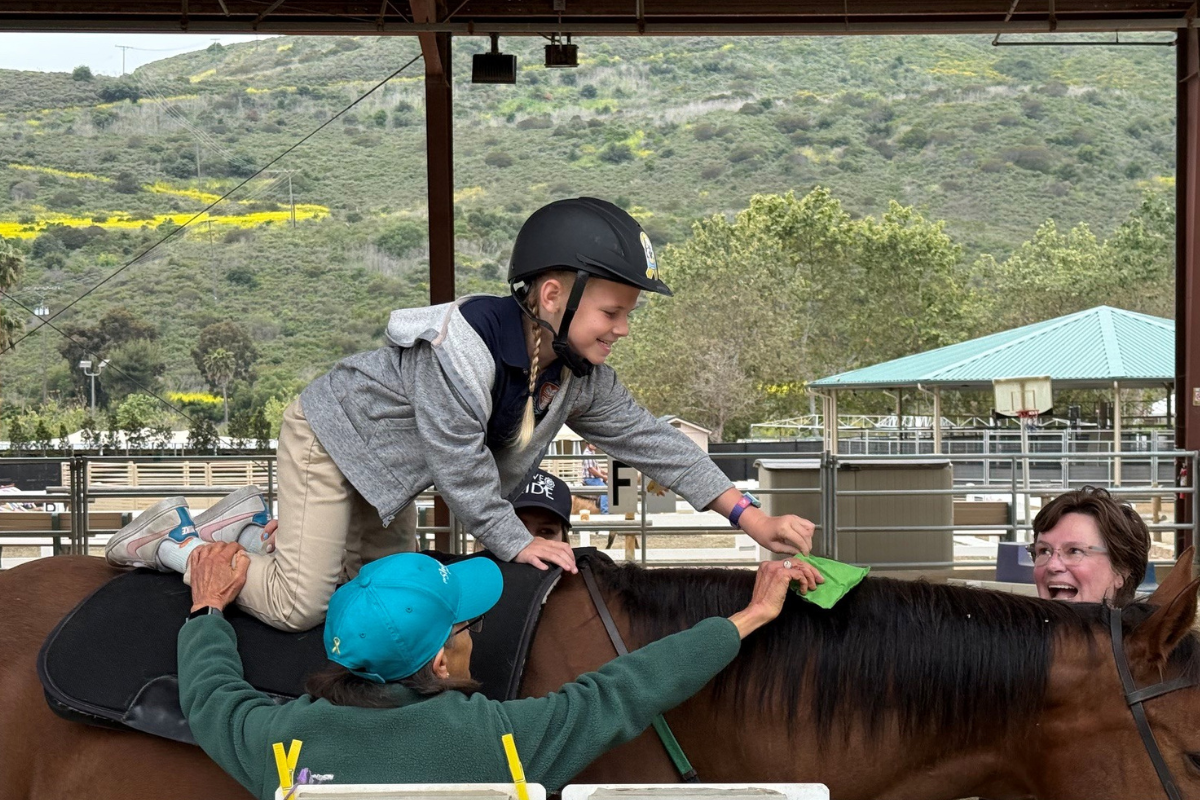
One of the most rewarding developments has been Rosie’s growing interest in horses. She enjoys learning about their care and even brings a horse encyclopedia to school, looking through its pages when she needs a break from classroom activities.
For Emily, it’s especially meaningful that Rosie has found something she enjoys and can call her own. What began as therapy has become an important part of Rosie’s life, helping her build skills, confidence, and connections with others.