by Kelli Navarro, BS, ESMHL
If you’ve ever spent time around horses, you probably have felt an emotional connection with them. Did you know there’s an evidence-based explanation behind this?
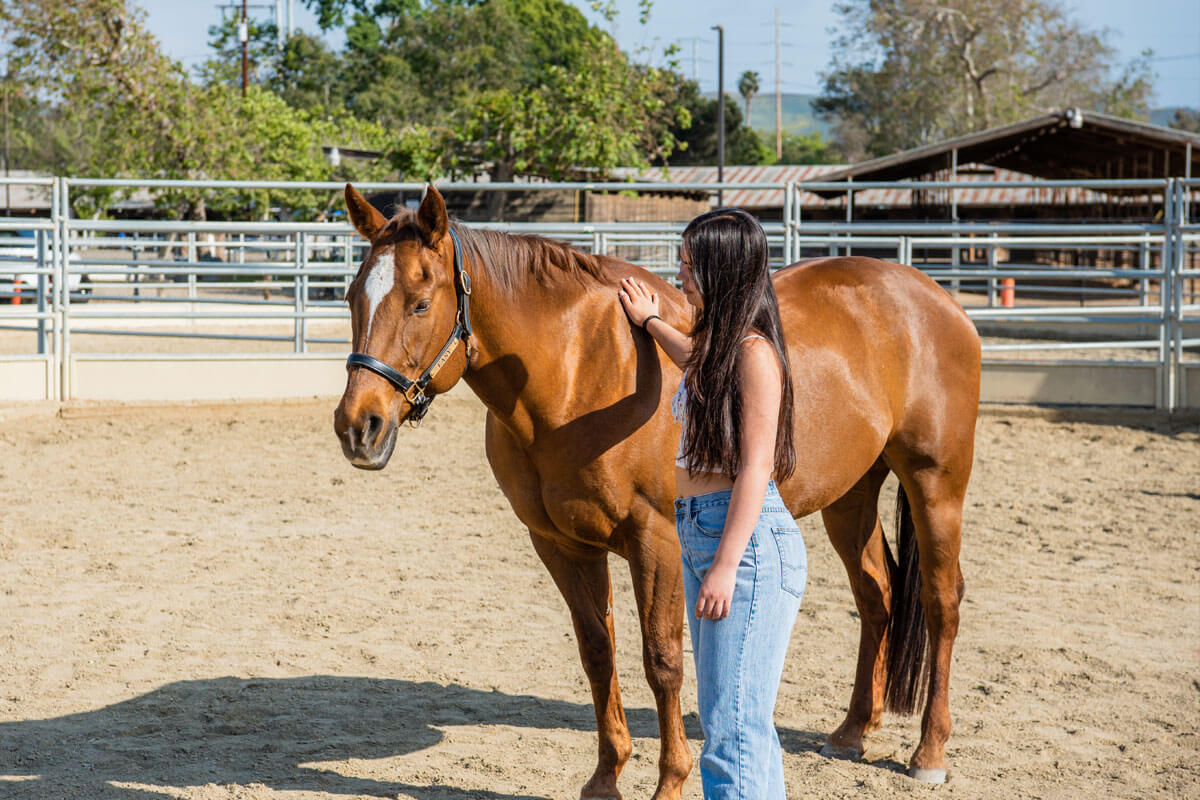
Horses can hear a human’s heartbeat from several feet away, according to a study done by Linda Keeling, Ph.D. 1 In the wild, horses will synchronize their heartbeats to the rest of the herd in order to sense danger more rapidly (Keeling, 2009). As a prey animal, horses look for a leader and want to be a part of the herd. On the other hand, humans, as predators, can do a great job at masking our internal struggles and emotions; we can often make everything look fine from our outward appearances. Horses have an innate ability and do an incredible job at being our “mirrors” by showing us our internal state of being. This provides a clear and non-threatening method of understanding oneself and is one of the reasons why The Shea Center is dedicated to growing our mental health programs.
Along with our fast-growing and successful military programs, The Shea Center has begun offering additional programming focused on mental health which includes: Equine Assisted Psychotherapy (EAP).
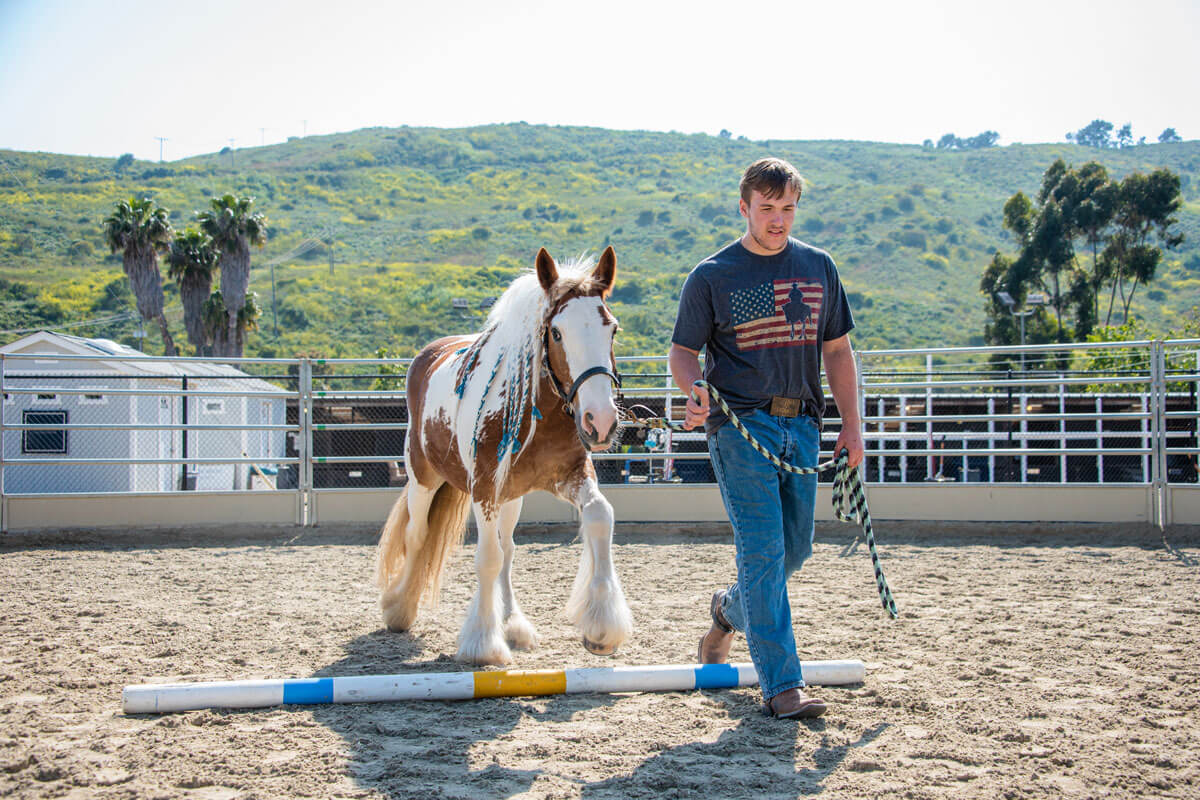
Equine Assisted Psychotherapy, also known as EAP, is a traditional service in a non-traditional setting. This is a clinical service provided by a licensed mental health professional. After an initial psychological assessment is completed, a diagnosis is established, and client-centered goals are created. Session activities are then designed to help the client achieve those goals. Session activities often include creating a physical representation of our troubles while literally walking through those struggles to make them more manageable. Clients are enrolled in EFP for as long as it takes for them to meet and maintain their goals. After that, they can transition to the Equine Assisted Learning program.
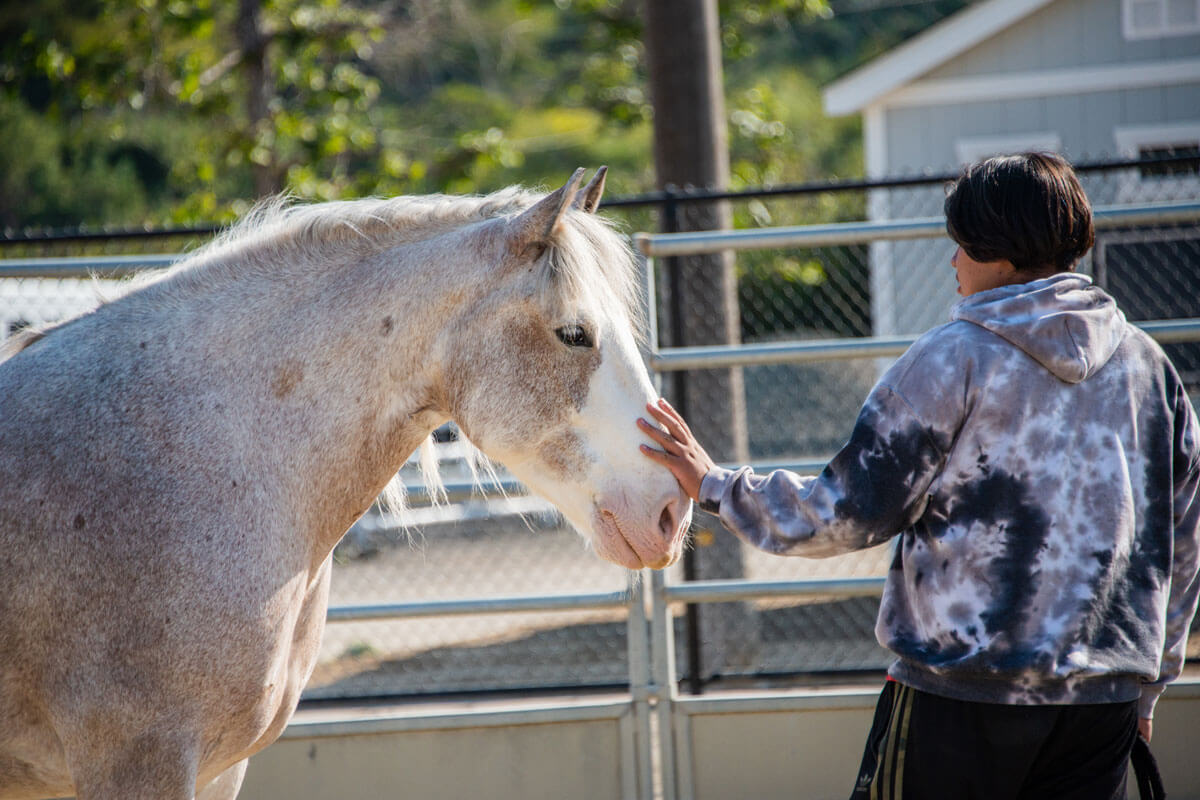
Sessions revolve around the goals the client and facilitator have identified, along with focusing on any other pressing weekly stressors. Most sessions are non-mounted and focus heavily on the biofeedback provided by horses at liberty. Goals are reviewed and updated every 10-12 weeks in correlation with The Shea Center seasonal sessions. Sessions can help participants learn to set boundaries, increase problem-solving skills, increase resilience to stressors, and improve communication skills. Many clients have reported significant improvement in a short period of time due to the nature of equine sessions.
With the increased demand for our services, our greatest need is funding support to sustain and grow our vitally important mental health programs, which directly covers program expenses, including horse care, staff, equipment, and financial aid for clients. This allows us to heavily subsidize service fees and ensure accessibility. To help The Shea Center programs grow, consider donating at SheaCenter.org/donate.
For more information on these programs, please contact Adre Hudgson at ahudgson@sheacenter.org or call (949) 240-8441 ext 123.
References
1 Keeling, Linda & Jonare, Liv & Lanneborn, Lovisa. (2009). Investigating horse-human interactions: The effect of a nervous human. Veterinary journal (London, England : 1997). 181. 70-1. 10.1016/j.tvjl.2009.03.013.