 by Randi Shannahan, PT, DPT, HPCS, Therapy Services Manager
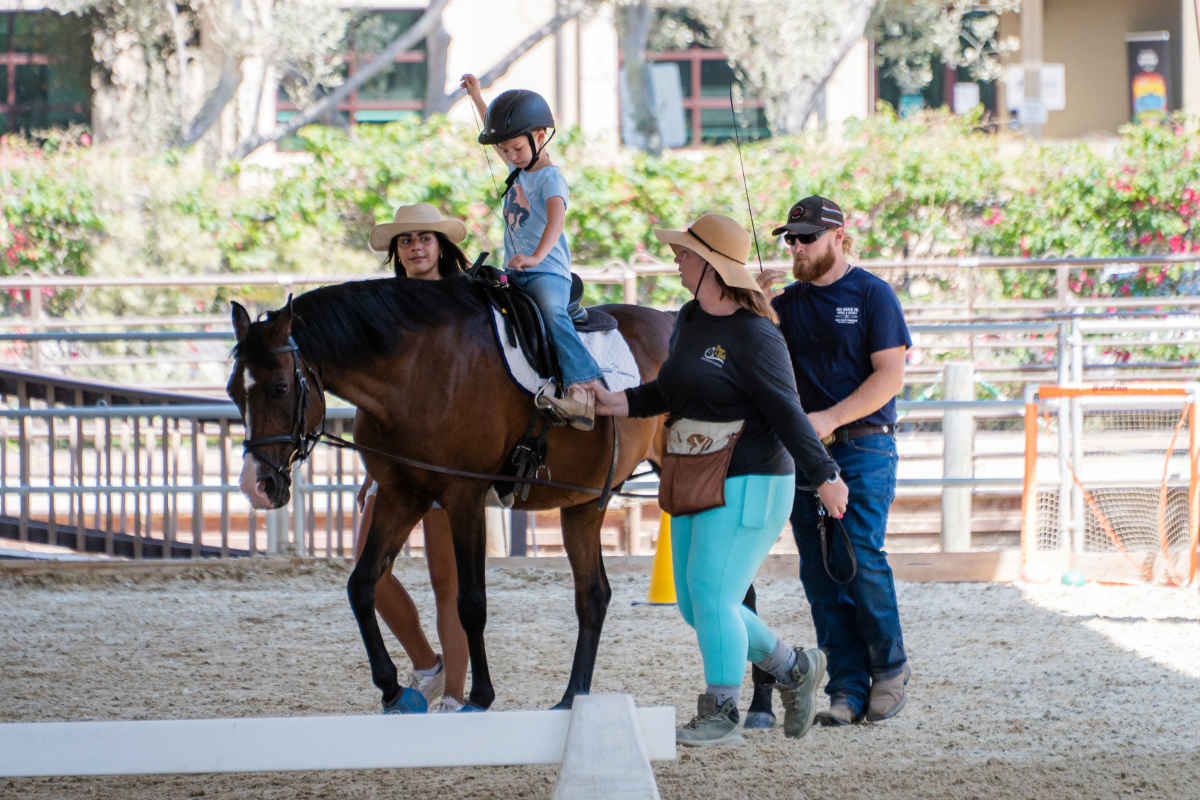
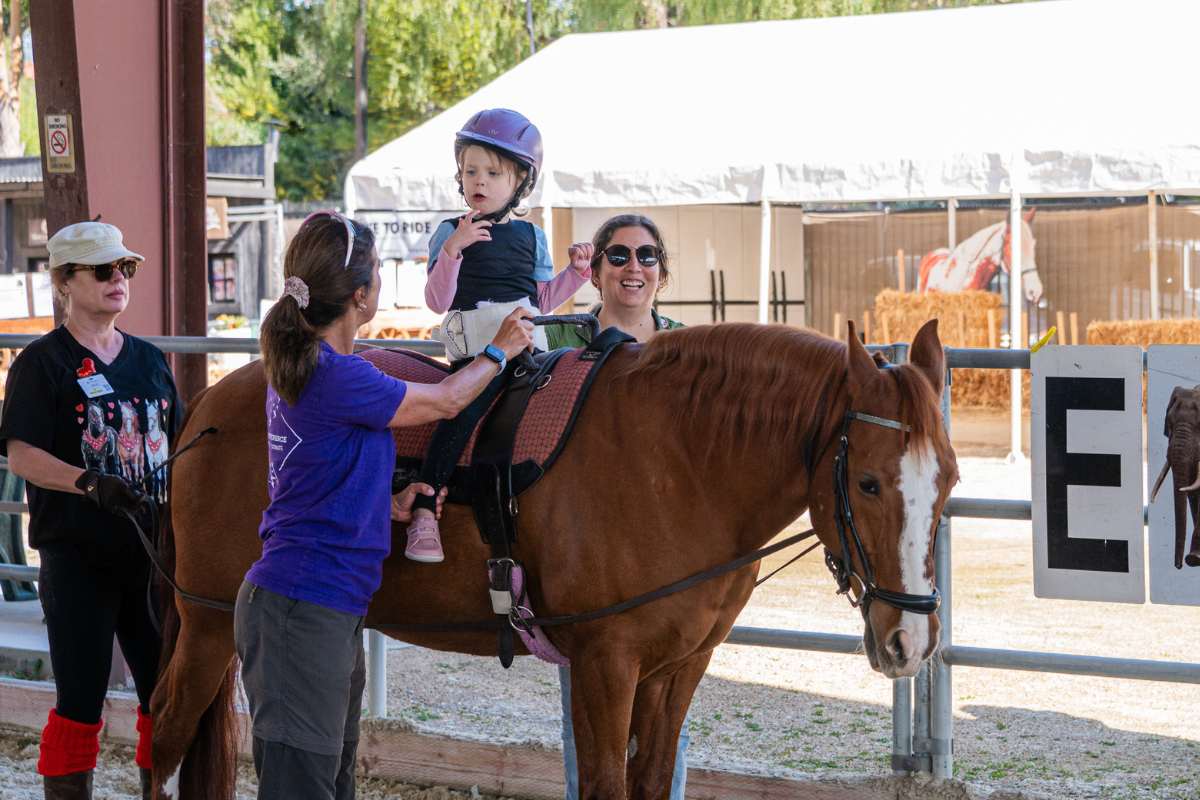
Therapeutic benefits of equine movement are documented as early as 400 BC. Hippotherapy as a formal rehabilitation treatment began in the 1960s. Yet even in the early 2000s, it was still described as “alternative” or “experimental.” Today, it is a recognized, evidence-based treatment tool used by licensed therapists across three professions.
Did you know hippotherapy is delivered by specially trained therapists? Physical, occupational, and speech-language therapists use equine movement within a skilled plan of care. Since 1992, the American Hippotherapy Association, Inc. (AHA) has provided standardized clinical education. Therapists who meet advanced requirements can earn board certification as Hippotherapy Clinical Specialists. The Shea Center is an official AHA continuing education host site and maintains 13 graduate university clinical affiliations.
Did you know the national professional associations support it? The American Physical Therapy Association, American Occupational Therapy Association, and American Speech-Language-Hearing Association each recognize hippotherapy within their standard scopes of practice.
Did you know it is backed by literature? A multicenter randomized controlled trial of 91 children with cerebral palsy found significantly greater gains in gross motor function after eight weeks of hippotherapy compared with a control group (Kwon et al., 2015). A 2022 meta-analysis of 755 patients reported improvements in motor function, balance, and walking (Häusler & Heussen). A landmark systematic review gave hippotherapy a “green light,” its highest effectiveness rating (Novak et al., 2020).
Did you know The Shea Center conducts research? Our team published a 2022 feasibility study on tracking functional progress in children receiving therapy utilizing hippotherapy (Conroy et al.). A follow-up manuscript, now in progress, will report statistically significant improvements across multiple developmental domains in 196 children at five centers. Next, we are developing a future study measuring how equine movement influences postural control and symmetry in young children.
What was once considered experimental is now understood, measured, and taught. We are proud to be a leader in educating the next generation of therapists and to contribute to the research advancing our field.