
By – Randi Shannahan, PT, DPT, HPCS, CTRI

Have you ever wondered how to become a therapist who uses hippotherapy in clinical practice? The steps below outline a common pathway to gain experience and mentoring to become a successful practitioner utilizing our favorite therapy treatment modality!
- Understand What Hippotherapy Is
Before starting your journey, it’s essential to know what hippotherapy involves. Hippotherapy is the use of the horse’s movement as part of an integrated treatment plan implemented by licensed physical therapists (PTs), occupational therapists (OTs), or speech-language pathologists (SLPs). The horse’s movement provides multidimensional input that helps patients improve balance, coordination, strength, sensory processing, and motor control.
The best way to gain understanding of hippotherapy is through direct observation and hands-on experience. The easiest way to do so is by finding a therapist using hippotherapy near you and becoming a volunteer within their therapy sessions. You can even find out more by volunteering with one of our amazing therapists at The Shea Center.1
- Choose Your Path: PT, OT, or SLP
To become a therapist who uses hippotherapy, you must first become a licensed professional in physical therapy, occupational therapy, or speech-language pathology. Each of these fields focuses on different aspects of patient care, but all can benefit from hippotherapy as a tool in their treatment.
- Physical Therapists (PTs) address movement dysfunction to improve a patient’s mobility, strength, and balance through manual treatment and exercise.
- Occupational Therapists (OTs) help patients gain the ability to participate in important daily activities and tasks to increase their independence.
- Speech-Language Pathologists (SLPs) are experts in communication and focus on improving language skills and swallowing function.
Once you choose your career path, you will need to pursue the necessary education and training to become a licensed therapist.
- Complete the Required Education
After choosing your path, the next step is to complete the necessary educational requirements for that profession.

Randi receiving her Doctor of Physical Therapy from Azusa Pacific University

Madison Miranda receiving her masters in speech language pathology from Calvin University
- For Physical Therapy: You will need to obtain a Doctor of Physical Therapy (DPT) degree, which takes at least three years to complete after earning a bachelor’s degree.
- For Occupational Therapy: You’ll need a master’s degree in occupational therapy. Most OT programs take about two years to complete after obtaining a bachelor’s degree.
- For Speech-Language Pathology: A master’s degree in speech-language pathology is required, which also takes approximately two years to complete after a bachelor’s degree.
During your education, you’ll cover topics such as anatomy, neurology, therapeutic techniques, and patient care. While there will likely not be specific coursework pertaining to hippotherapy during your degree program, you can seek out electives or clinical experiences that expose you to the benefits of this equine-assisted service. In fact, most of the therapists at The Shea Center completed a clinical affiliation within a practice setting that incorporated hippotherapy before graduating.
- Obtain Licensure
After completing your educational program, you will need to pass the licensing exam for your profession.

- For physical therapists, this is the National Physical Therapy Examination (NPTE).
- For occupational therapists, you must pass the National Board for Certification in Occupational Therapy (NBCOT) exam.
- For speech-language pathologists, the Praxis exam is required to obtain licensure.
Once you have successfully passed your licensing exam, you can obtain your state license and begin practicing as a therapist.
- Pursue Specialized Training in Hippotherapy
While being a licensed therapist allows you to practice, you’ll need additional specialized training to incorporate hippotherapy into your treatments. You can gain experience by finding a therapist-mentor already using hippotherapy in practice or seek out organized curriculum through the American Hippotherapy Association (AHA).2
- Level I AHA Hippotherapy Treatment Principles Course: This introductory course is a comprehensive overview of the fundamentals of hippotherapy, including horse movement, safety, and the treatment process within the specific therapy disciplines. It typically includes hands-on learning with horses.
- Level II AHA Hippotherapy Treatment Principles Course: Once you have completed Level I and gained some clinical experience, you can advance to Level II, which dives deeper into assessment, treatment planning, and integration of horse movement into therapeutic goals.
These courses are designed for licensed therapists and provide the skills necessary to safely and effectively incorporate horses into patient treatment plans.
- Gain Practical Experience
Gaining practical experience within hippotherapy is crucial. Seek out opportunities to volunteer or work in established therapy programs utilizing hippotherapy or find therapeutic riding centers with therapists on staff. Many centers offer volunteer positions that allow you to work alongside experienced therapists and develop your skills. You’ll have the chance to work with a variety of patients, from children with developmental disabilities to adults recovering from neurological injuries.
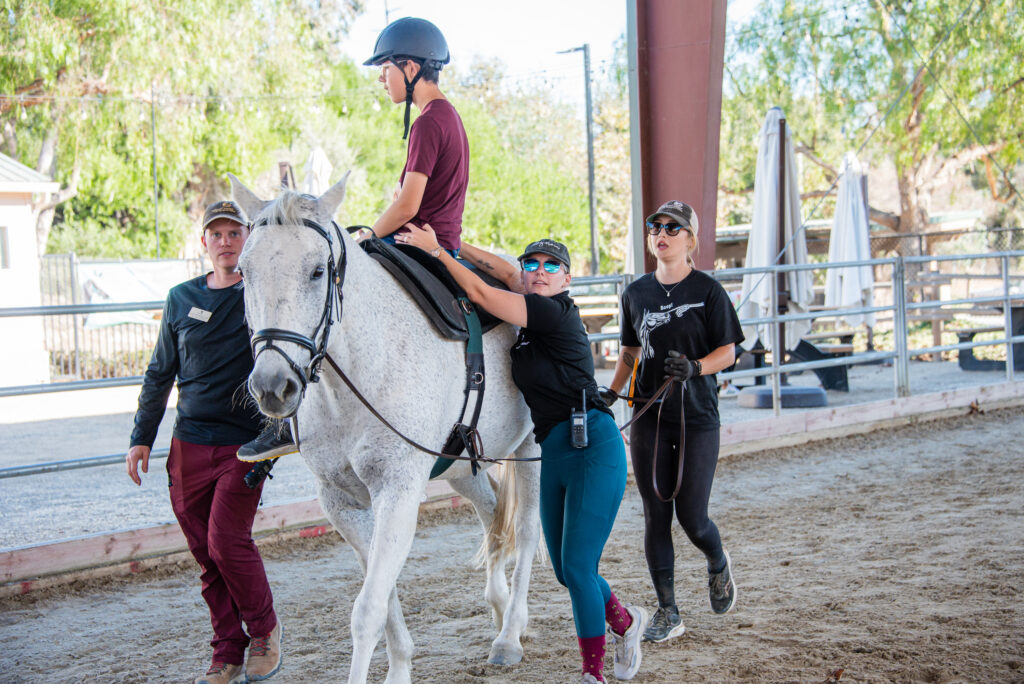
Having horse experience is a critical component before pursuing a career using hippotherapy. Horses are at the core of hippotherapy treatment, and a therapist must be highly knowledgeable about horse behavior, movement, and care to ensure both the safety and effectiveness of therapy sessions. Understanding how a horse’s gait, temperament, and responses can influence therapeutic outcomes is essential. Horse experience enables therapists to build trust with the animals, assess their suitability for different patients, and handle them confidently and safely in a clinical setting. Without this foundational knowledge, therapists may struggle to fully integrate the horse’s unique therapeutic qualities into their practice, which is key to achieving optimal patient outcomes. Developing this experience before pursuing formal training in hippotherapy ensures therapists are well-prepared to harness the full potential of the equine movement.
- Get Certified (Optional)
Although certification is not required, it can set you apart as an expert in the field of hippotherapy. The American Hippotherapy Certification Board (AHCB) offers certification exams for PTs, OTs and SLPs who have completed the necessary education, training, and clinical experience hours. The board has two distinctions – 1) entry level certification and 2) hippotherapy clinical specialist which recognizes advanced expertise.3
Certifications can demonstrate your knowledge and commitment to the highest standards in hippotherapy practice.
- Find or Create Employment Opportunities
Once you are fully trained, licensed, and possibly certified, the next step is to find a position that allows you to incorporate hippotherapy. This might be within:
- Rehabilitation hospitals or clinics
- Pediatric therapy centers
- Schools with special needs programs
- Private practices that offer equine-assisted services
- Therapeutic riding centers especially those within the Professional Association of Therapeutic Horsemanship International (PATH Intl.) community4
Alternatively, some therapists choose to start their own practice or partner with local equestrian centers to offer hippotherapy as part of their services.
- Stay Informed and Network
The field of hippotherapy is constantly evolving, so it’s important to stay informed of the latest research and best practices. Join professional organizations like the American Hippotherapy Association (AHA) and attend conferences, workshops, and webinars to guide and enhance your clinical practice. Networking with other professionals in the field will help you learn from others and potentially find new opportunities.
Conclusion
Becoming a therapist who uses hippotherapy is a journey that combines a love for helping people with the healing power of horses. By following the necessary educational and training steps, you can become a skilled therapist who transforms lives through this unique approach.
References