By- Karen Yamasaki, OTR/L
Occupational therapists are specialists who help children and adults improve their independence and quality of life by developing or regaining essential daily living skills. The term “occupation” refers not just to jobs but to everything that “occupies” our day. For children, this may include playing, attending school, and preparing for activities, while for adults, it encompasses work, self-care, and recreational pursuits.
Occupational therapy focuses on enhancing fine motor skills, visual motor skills, sensory processing, self-care, emotional regulation, and other functional abilities to support meaningful participation in daily life.
For children, daily occupations often revolve around play, education, and sports. However, successfully engaging in these activities requires a range of preparatory skills, such as:
• Morning routines: Getting out of bed, making the bed, brushing teeth and hair, showering, and dressing (including managing zippers, buttons, socks, and shoes).
• Mealtime skills: Holding and using utensils like forks and spoons.
• School readiness: Holding a pencil, copying from the board, sitting at a desk, and maintaining focus in a classroom.
• Sensory processing: Remaining calm, focused, and tolerant of environmental stimuli such as movement, sights, sounds, smells, and textures.
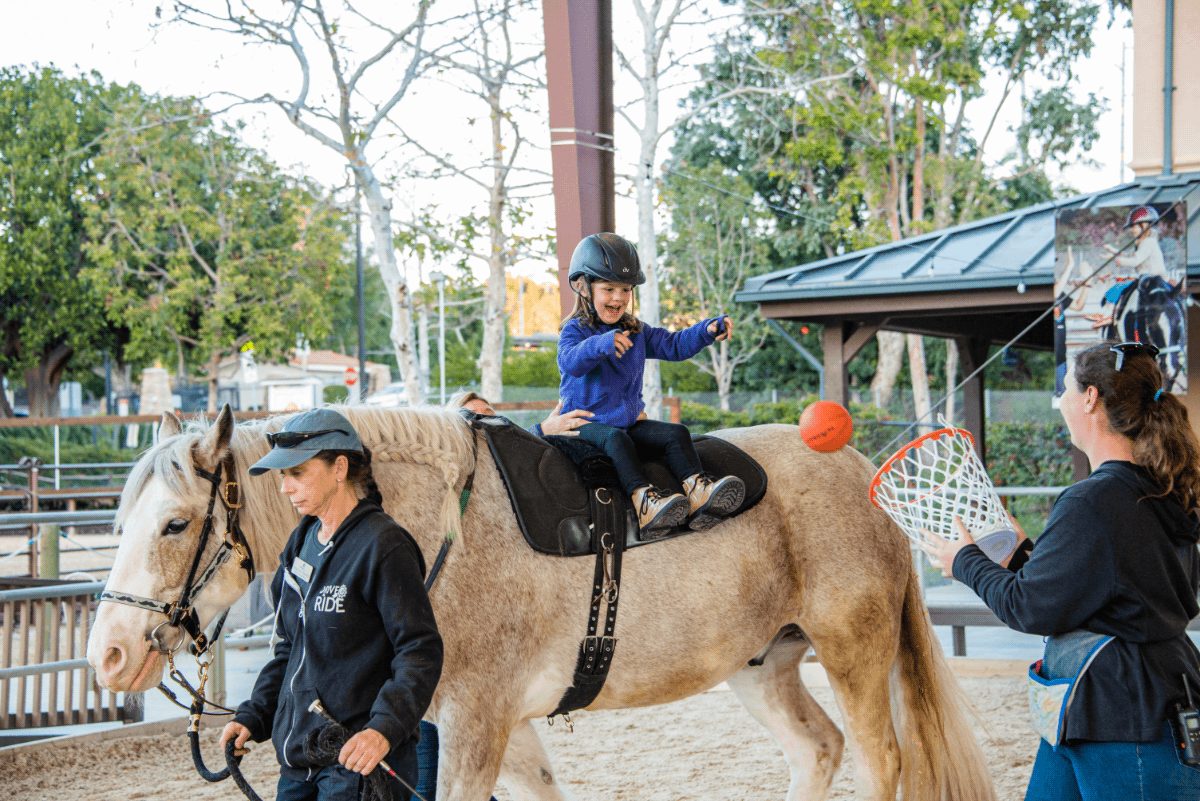
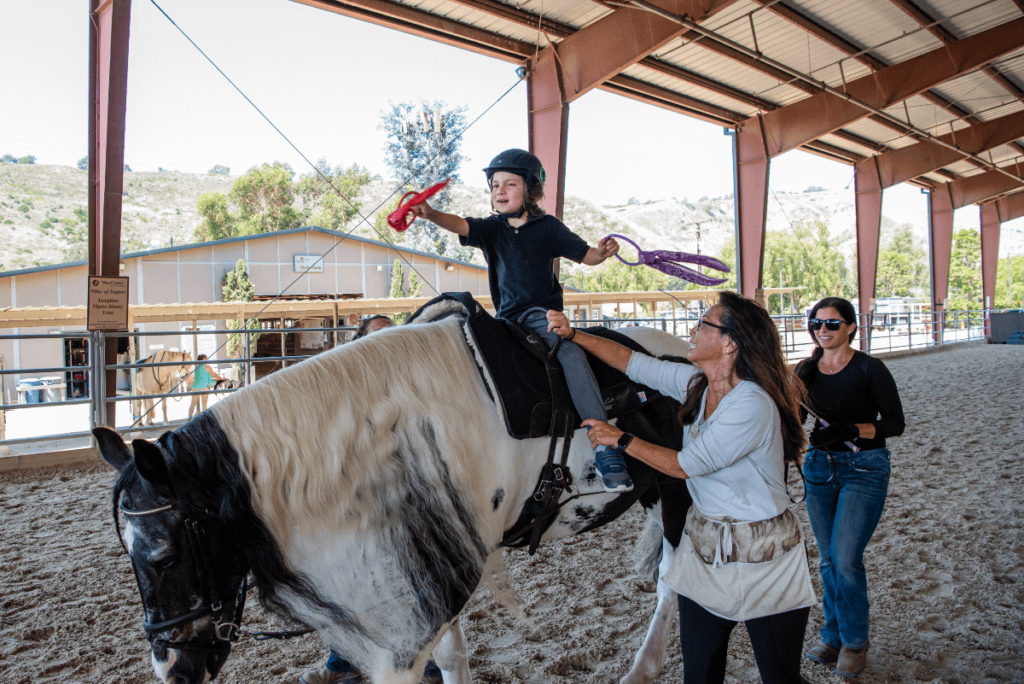
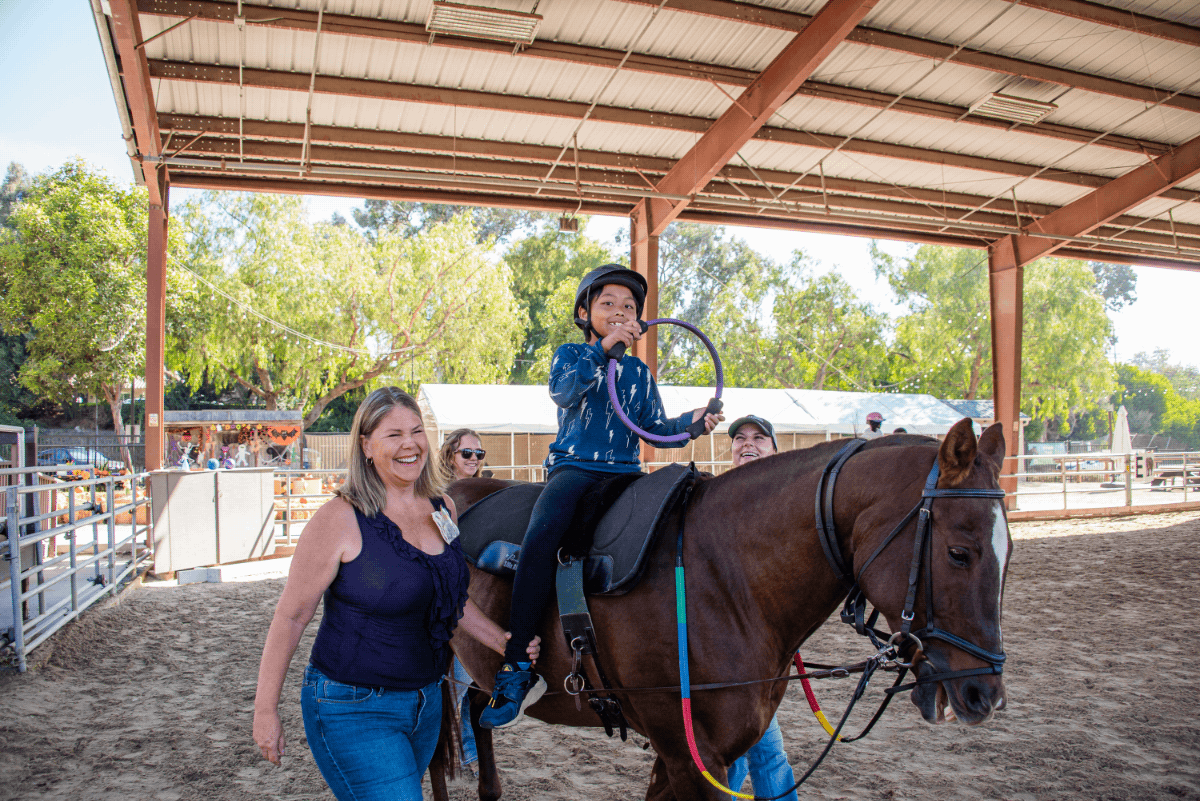
At The Shea Center, occupational therapists leverage the therapeutic benefits of horseback riding through hippotherapy. The horse’s movement serves as a dynamic treatment tool, offering a variety of physical and sensory inputs.
• Calming and alerting effects: Slow, rhythmic movement can be soothing, while faster speeds and directional changes can enhance alertness and excitement.
• Organizing impact: Riding helps improve focus, attention, and self-regulation.
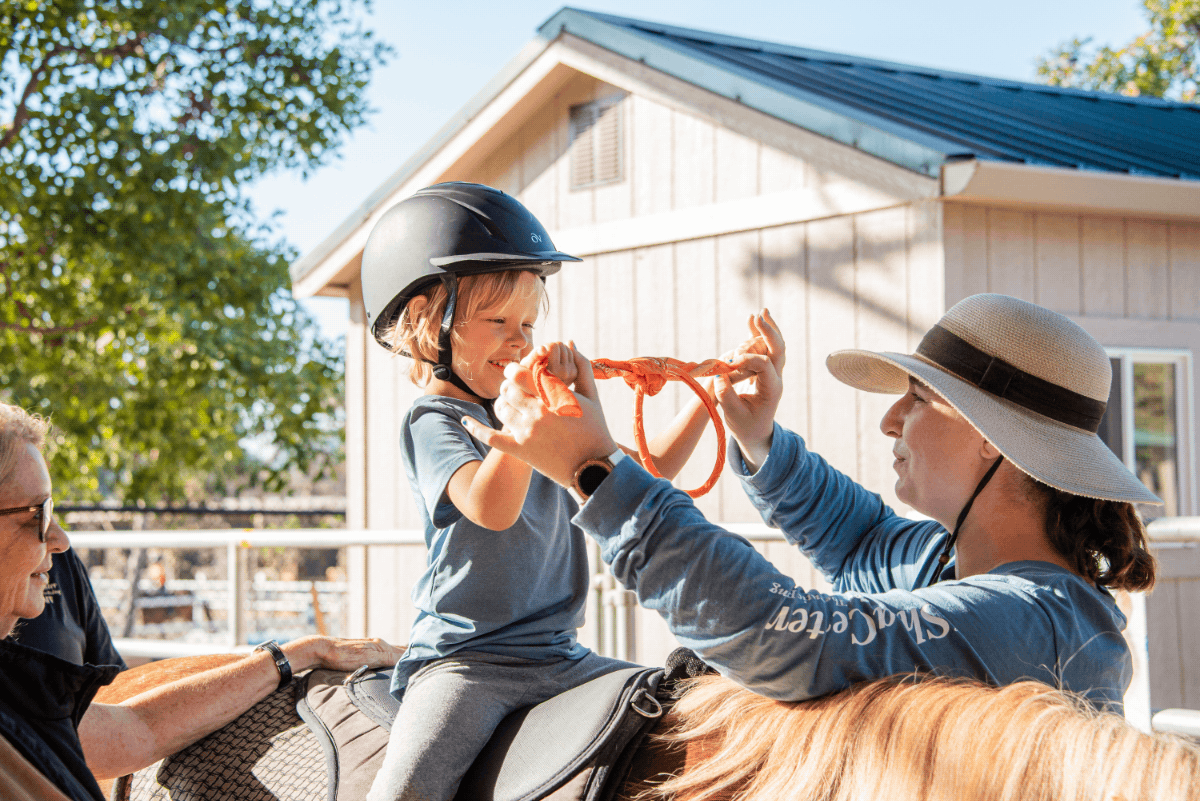
• Postural control: The horse’s movement challenges postural stability, building foundational strength in the shoulders and core, which supports fine motor skills like reaching, grasping, and releasing objects.
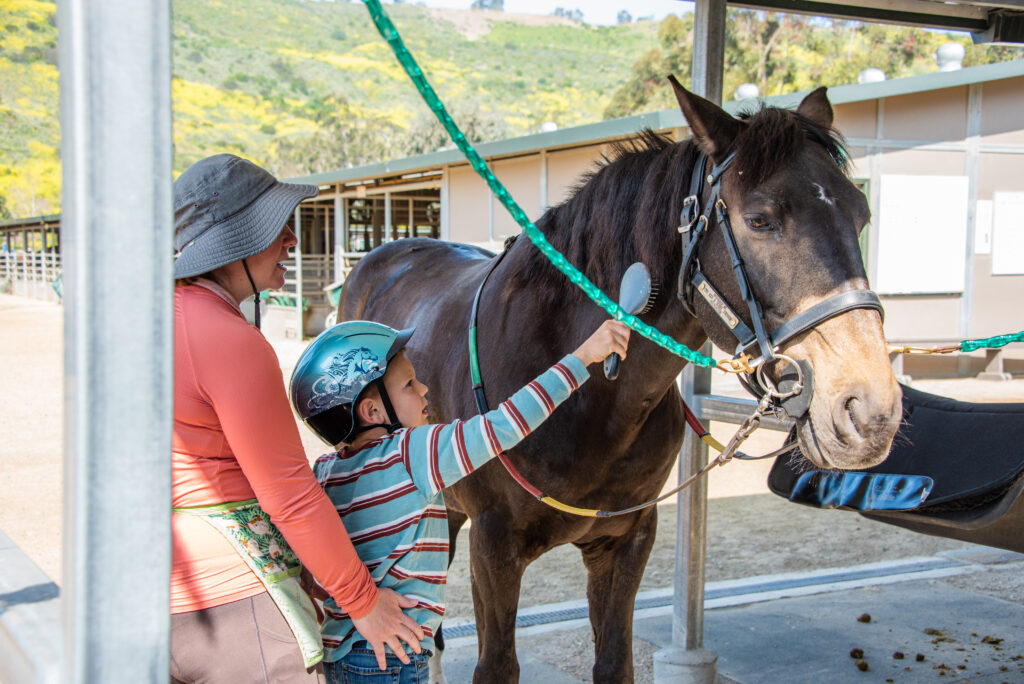
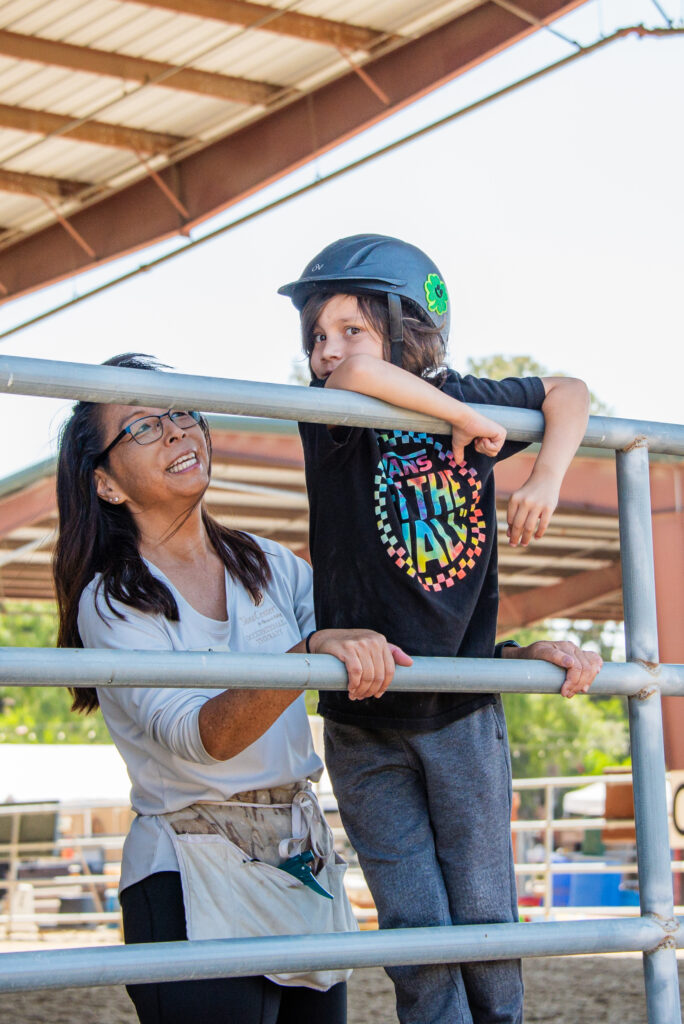
Therapeutic activities extend beyond riding. The barn environment offers endless hands-on opportunities to build independence and confidence. Tasks such as grooming the horse, carrying equipment, or completing simple barn chores foster life skills that translate into everyday activities.
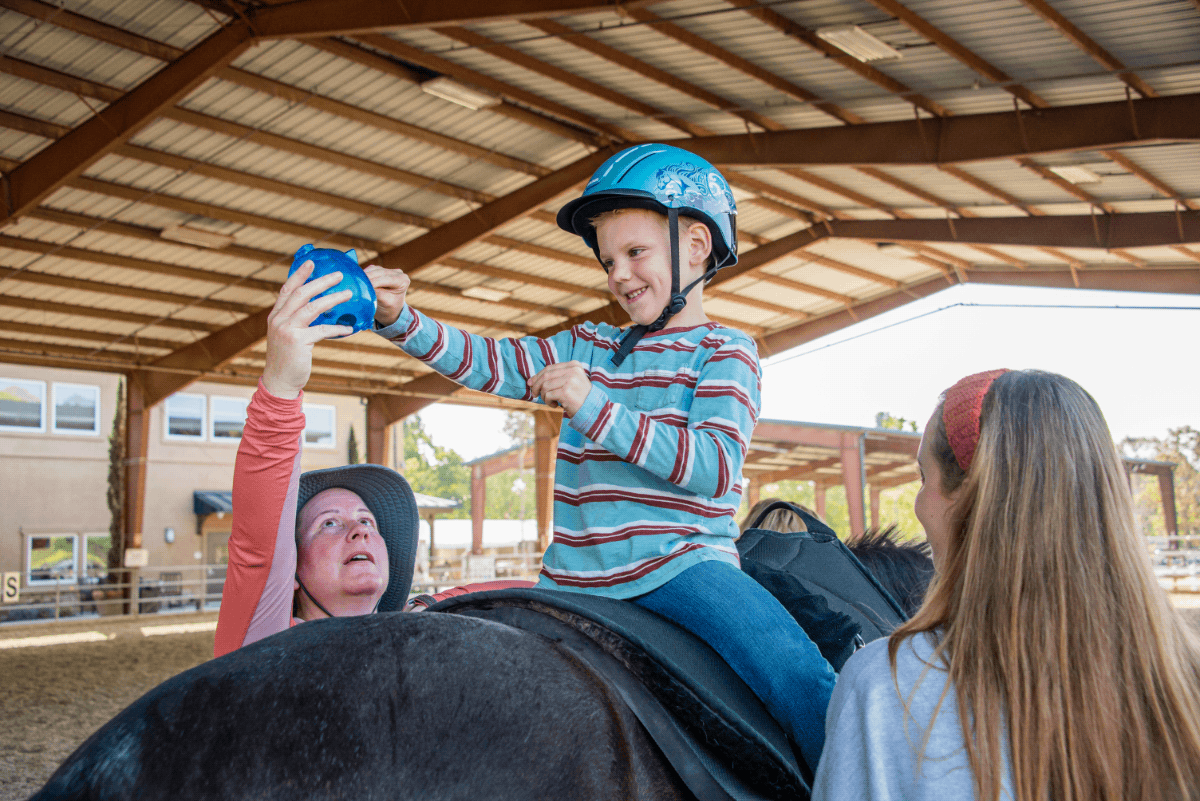
Occupational therapists empower individuals to live their fullest lives by enhancing their ability to engage with the world around them, whether through horseback riding, functional exercises, or skill-building activities in natural settings.