
by Matt Mitchell, PT, DPT
Recent research suggests that a robotic horse simulator may be able to produce similar physical benefits to riding a real horse.1 However; there are aspects of live horses that simply cannot be replicated by a machine. We believe these differences make riding real horses crucial for improving the lives of people with disabilities at The Shea Center.
What is a Robo-Horse?
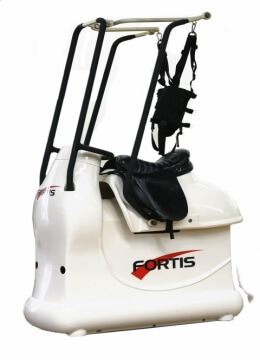
One group of researchers based in Seoul, South Korea, created the FORTIS system and published a promising study on its effectiveness. The FORTIS system has over 100 settings mimicking the horse’s different gait patterns. The researchers note, however; that the robo-horse does not provide the same amount of acceleration with real horses providing up to five times more acceleration forces when switching between gait patterns and modes. The robo-horse does offer a solution to inclement weather as it is used indoors and does not require upkeep after purchase. We are fortunate at Shea to have covered arenas that also minimize the impact of rain on our services and a large outdoor environment to practice therapeutic activities on the ground.
How Horses Drive Motor Learning
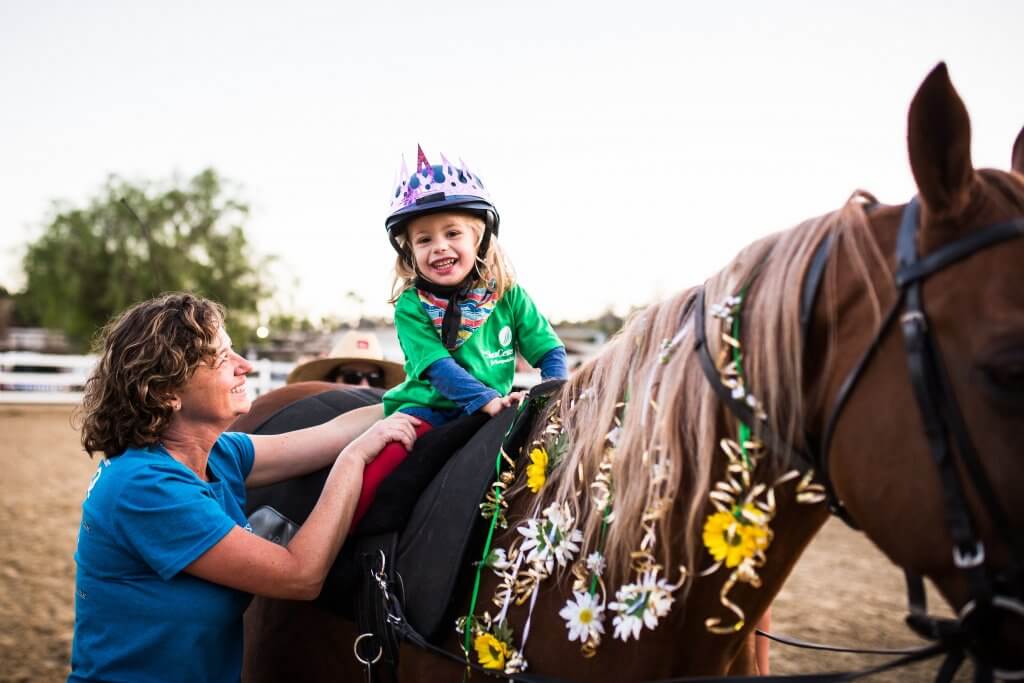
Motor learning theory is an emerging topic of discussion within the field of movement science.2 Motor learning occurs anytime someone engages in a novel activity or in a routine activity in a new way. It plays an important role in optimal physical functioning as motor learning gives us new ways to move better. Our brains must create a map for our bodies to follow in order to complete tasks at hand. A common way to think about this is the process of learning to ride a bike. The key components to learning to ride a bike are practice and motivation. This is true for a multitude of motor tasks. When our riders sit astride the moving horse, their brains must create a new motor map to maintain their sitting balance. They get an enormous amount of practice as the walking horse provides up to 3,000 balance perturbations in a 30-minute session. They are also commonly motivated by the bond they create with the horse, as well as the interaction with other people and the environment within their session. This new motor map that they created on the horse then transfers to the ground to help improve their posture and balance during functional tasks.
Practice Variability
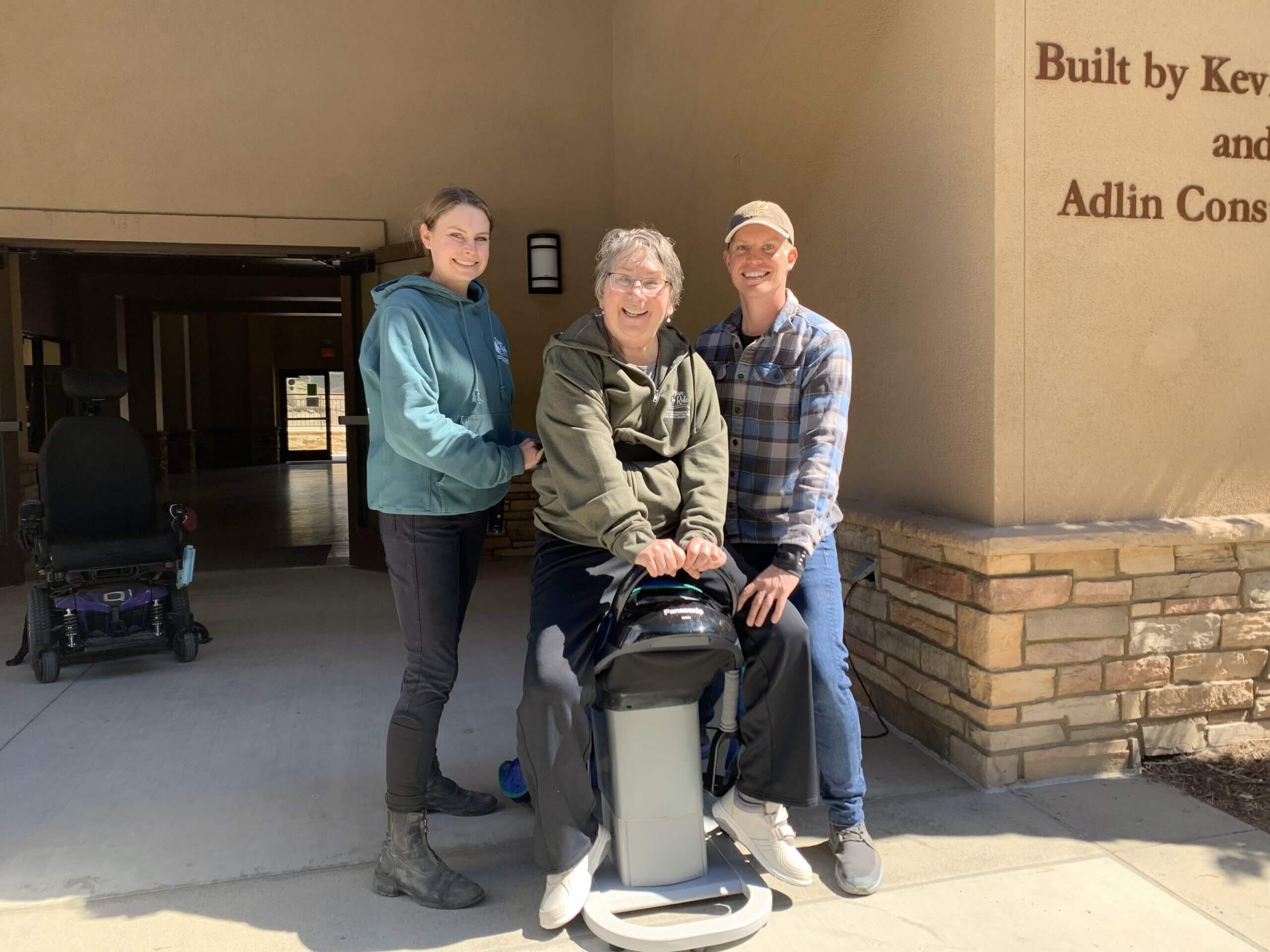
One limitation the study notes is that the robo-horse provides constant and predictable movements unless you frequently shift the modes. One of the keys to making motor learning permanent is to practice in variety of settings, experience different forms of challenge, and randomize practice. The horse is an excellent tool for randomizing our riders’ practice as horses are living creatures with natural variability in what they do. The horse allows our riders to interact with their environment as they move through space. The horse is one of the only tools that can challenge all three of the systems that humans use to maintain their balance. These include proprioception, visual tracking, and vestibular input. The therapist then can manipulate the equine movement to target specific aspects of balance to practice (i.e. sharp turns to stimulate vestibular system, trotting to increase proprioceptive input, backwards sit on horse to remove visual input to rider).
Horses Improve Quality of Life

Our goal at The Shea Center is to improve the lives of people with disabilities through horse related programs. This aim is supported by research which shows that guided horse interaction can improve self-image, self-control, trust, and overall life satisfaction for at-risk adolescents.3 Our clients at Shea love to care for their horse friends. We commonly see positive bonds form between our riders and their horses as they build mutual respect for one another. Though the robo-horse offers great opportunities to challenge the movement system, it simply cannot replace the bond that is forged between a client and his or her horse.
References
1Park JH, et al. (2014). “Comparison between the robo-horse and real horse movements for hippotherapy”. Bio-Medical Materials and Engineering 24 2603–2610.
2Adams JA (1971). “A closed-loop theory of motor learning”. J mot Behav. 3 (2): 111–49.
3Bachi, K., Terkel, J., & Teichman, M. (2012). Equine-facilitated psychotherapy for at-risk adolescents: The influence on self-image, self-control and trust. Clinical Child Psychology and Psychiatry, 17 (2), 298–312.