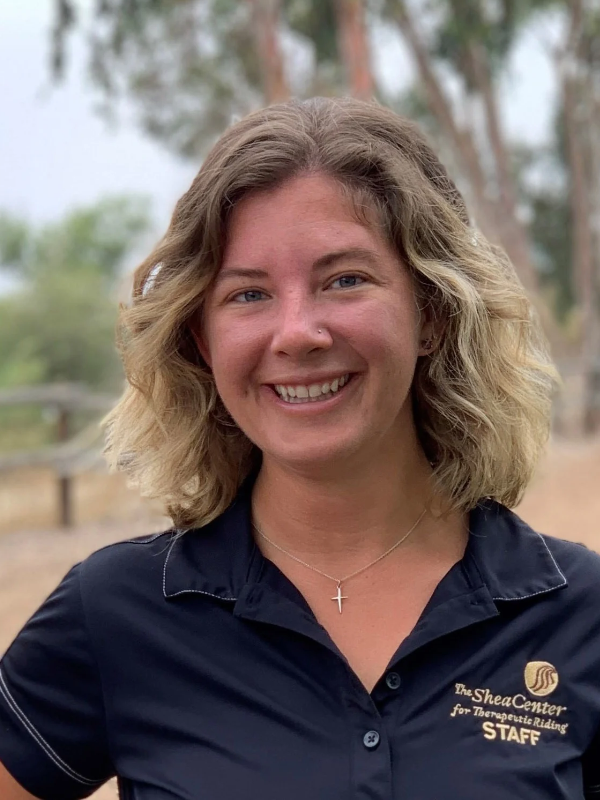
 by Leeanna Rice, MSW, LCSW, Mental Health Services Specialist
The development of mental health services at The Shea Center is relatively new, becoming a core service offering within the past three years. During the COVID-19 pandemic, our enrollment team saw a significant increase in referrals for individuals experiencing anxiety, depression, mood disorders, and other mental health challenges. In response to the growing needs of our community, The Shea Center expanded its services to include Equine Assisted Psychotherapy (EAP).
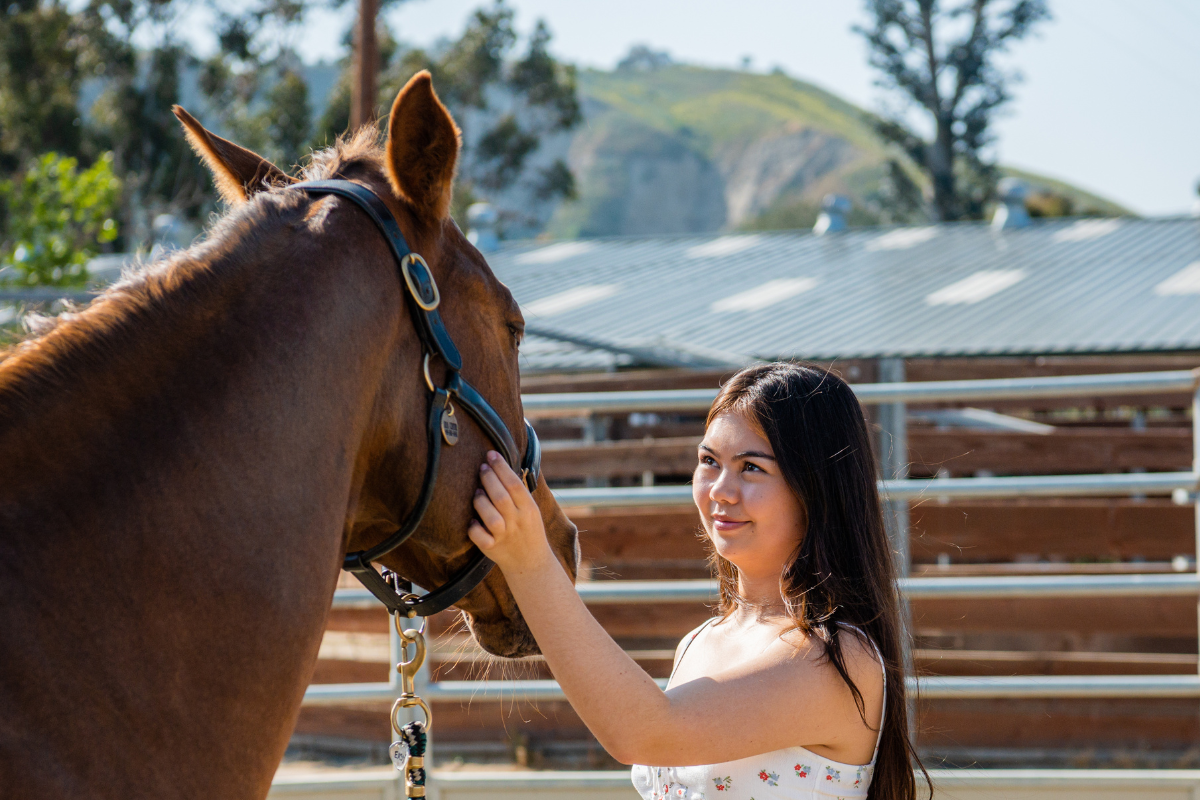
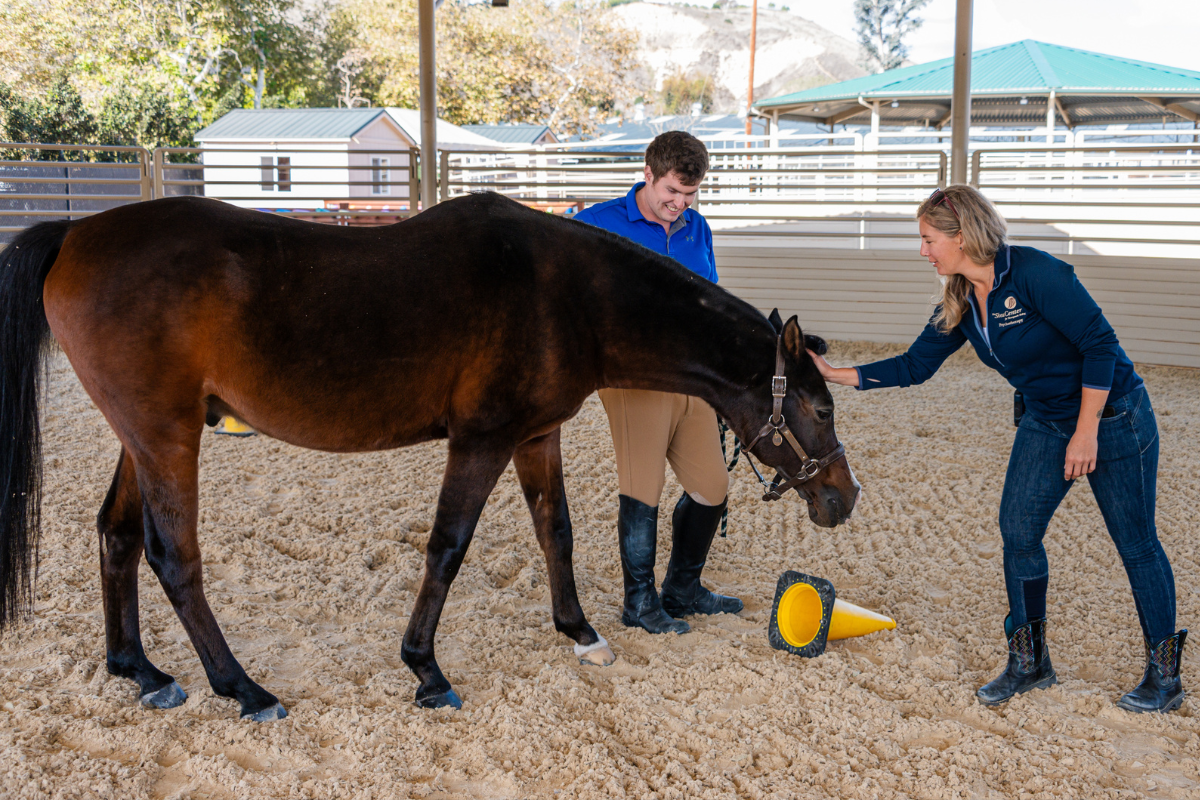
EAP is a clinical service provided by a licensed mental health professional and a certified equine specialist. Sessions combine evidence-based therapeutic interventions with horsemanship to help clients build self-awareness, emotional regulation, communication, and other important skills. Horses provide immediate, nonjudgmental feedback in response to human behavior, creating meaningful opportunities for clients to recognize patterns and practice new approaches in the moment.
While EAP can benefit clients of many ages, the majority of those we serve are youth and young adults. Today’s young people are navigating the lasting effects of the pandemic alongside the challenges of physical and emotional development, social media, cyberbullying, and increasing social pressures.
To address these needs, our mental health team developed a ten-week group curriculum for school-aged youth. Serving up to eight participants, the program introduces therapeutic concepts including self-awareness, self-esteem, emotional regulation, communication, and boundary setting through engaging equine activities.
The results have been meaningful. Participants have reported greater confidence navigating school and social situations, communicating effectively, advocating for themselves, setting healthy boundaries, and managing uncomfortable emotions.
By moving mental health treatment beyond the traditional office setting, The Shea Center offers youth a welcoming, experiential environment where they can learn, connect, and grow. Partnering with a horse can reduce barriers to care while increasing engagement and motivation— providing young people with practical tools they can carry into their everyday lives.