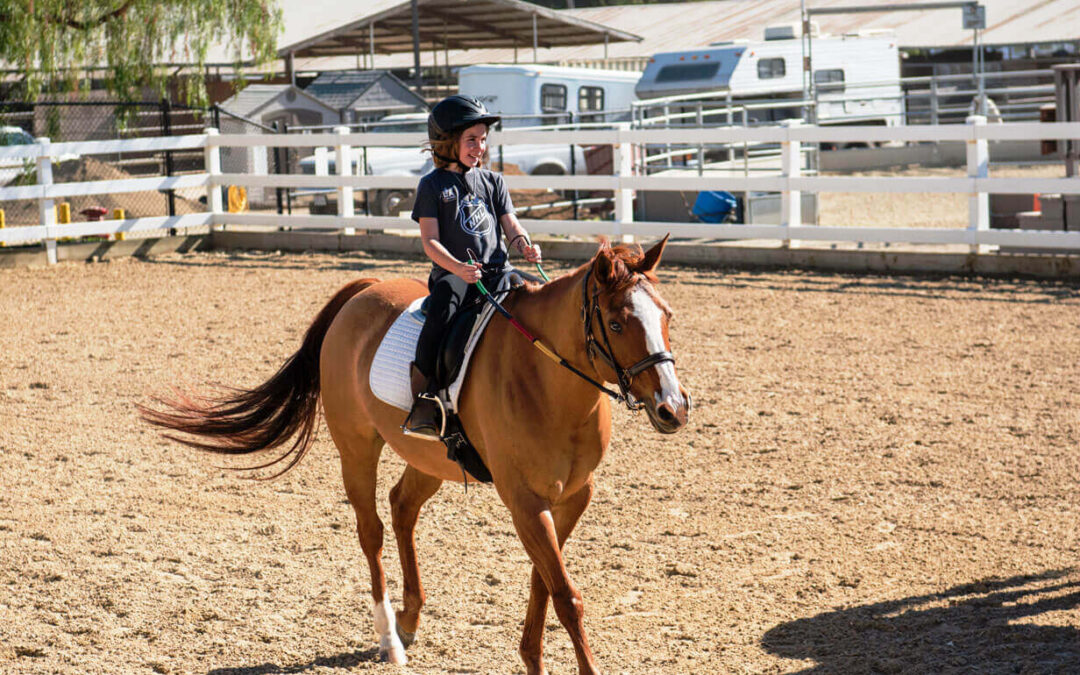
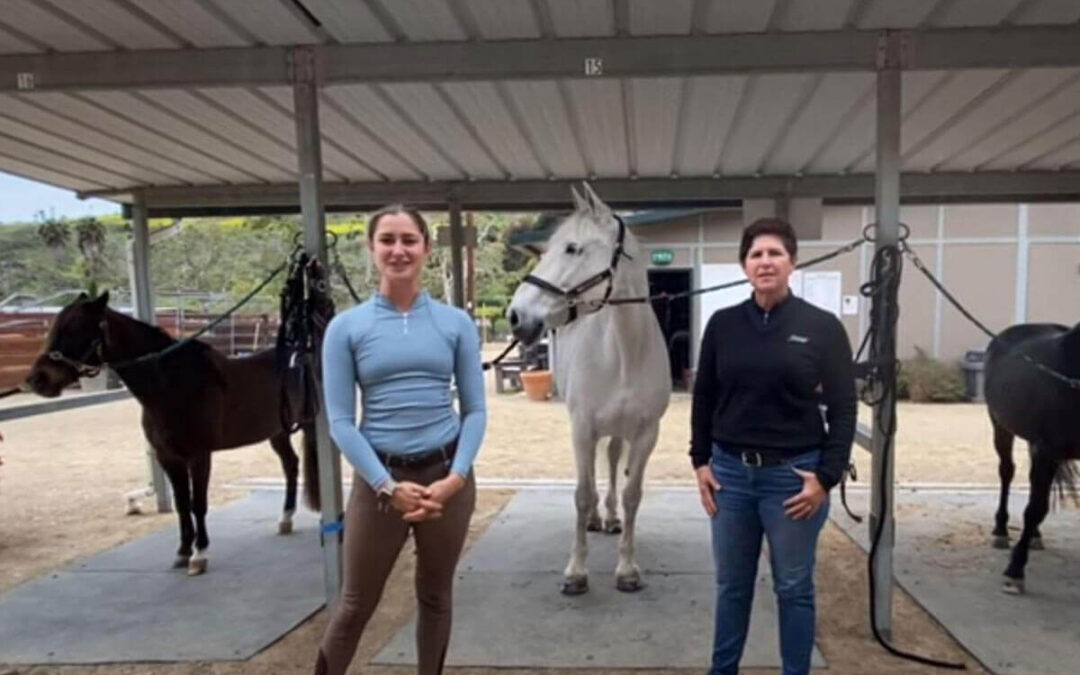
Among the large variety of horse breeds at The Shea Center, the American Quarter Horse is the most popular. The Quarter Horse is an ideal mount for equine-related therapies because of its temperament and disposition. The horses are known for their warm personality, a...
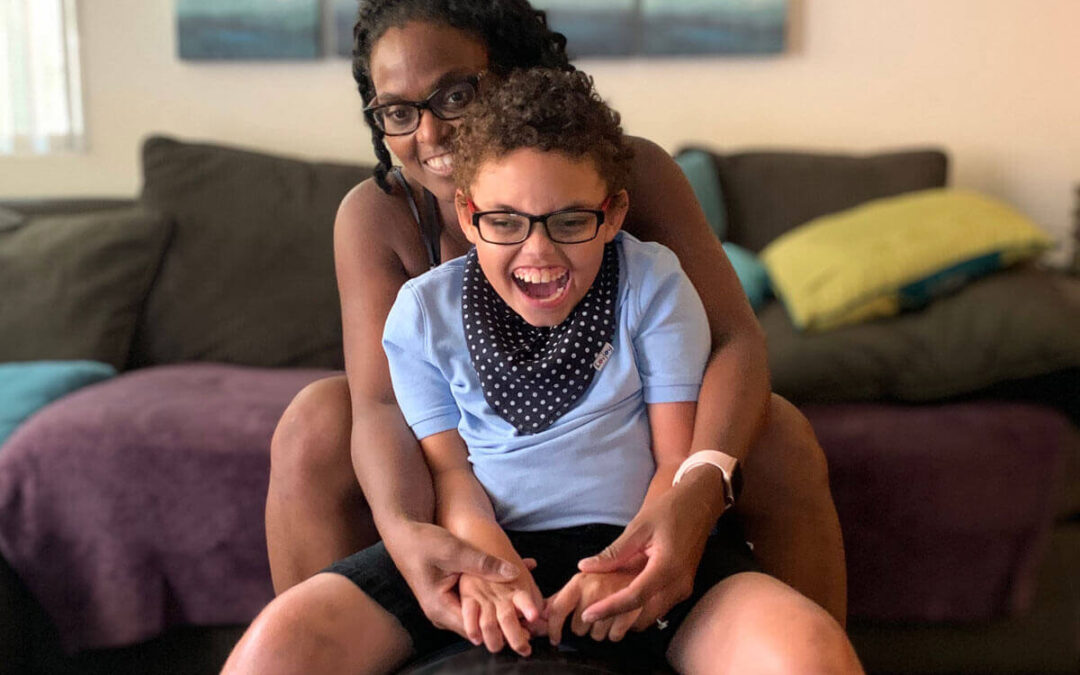
There is a special bond between a mom and her son. Tristan S. loves to play with his mom on the therapy ball in his telehealth session! Sitting on the peanut ball gives Tristan a way to practice his sitting balance and strengthen his core while at home. His physical...
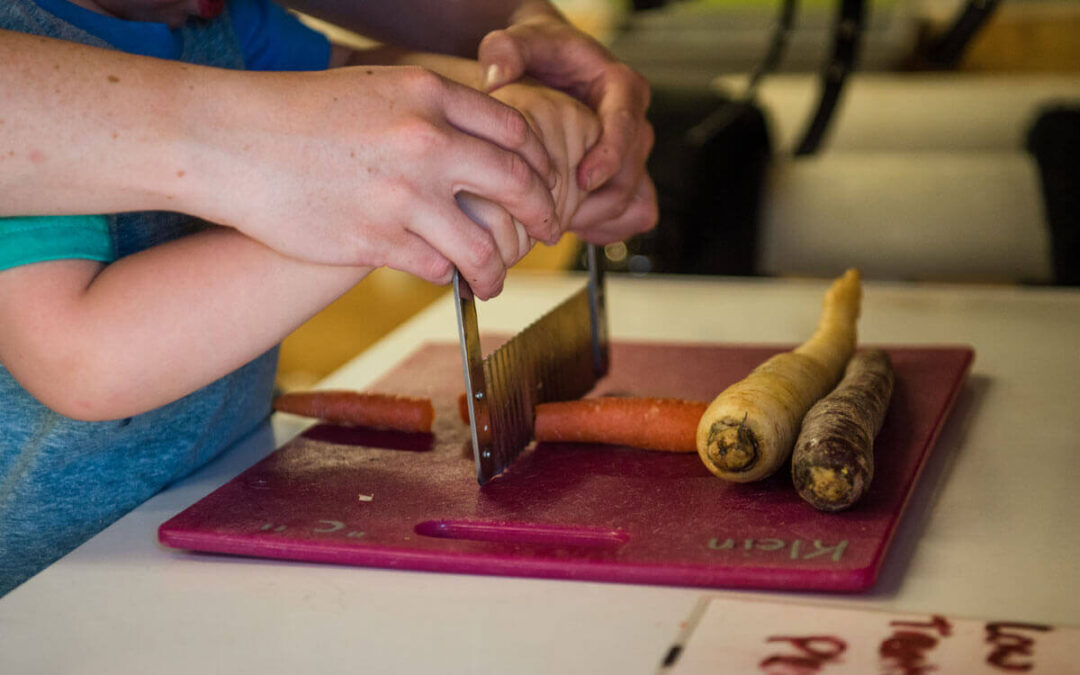
by Matt Mitchell, PT, DPT Kids need to have fun! In fact, you could call it a child’s full-time job. Active play leads to developing gross and fine motor abilities. Adults have to workout to keep our bodies in shape, whereas children need play to function fully as...
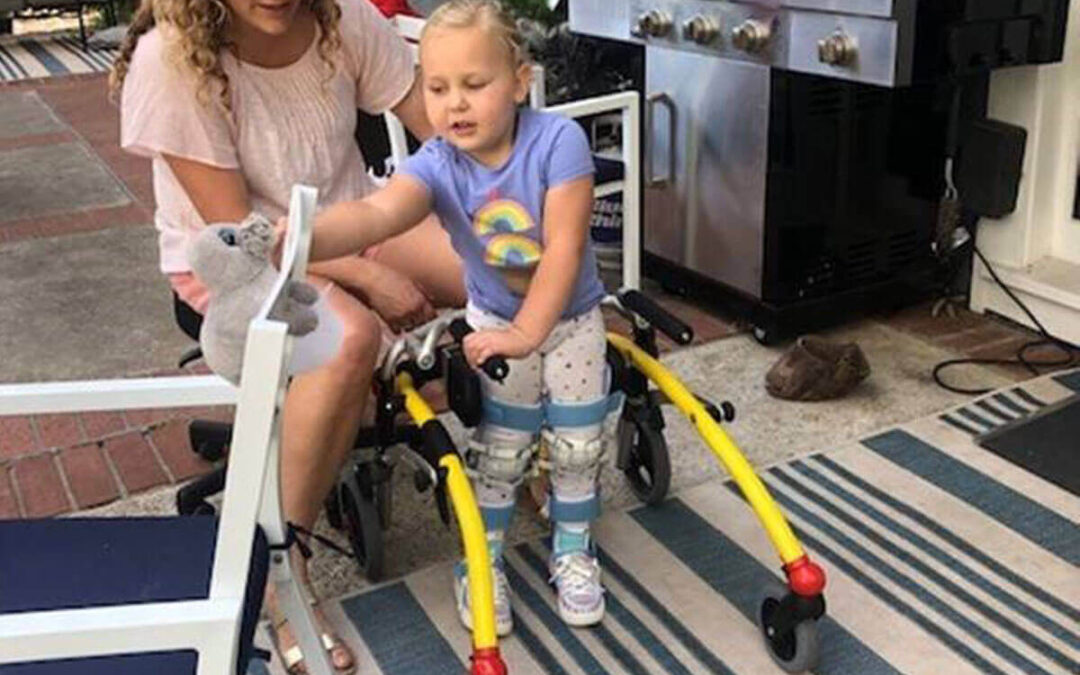
Colette P. is one fierce 4-year-old! Walking in her walker isn’t easy for her, but she and her mom come up with ways to make it fun and motivating. During her last telehealth session Colette transformed into Elsa from Disney’s Frozen and walked throughout her patio to...
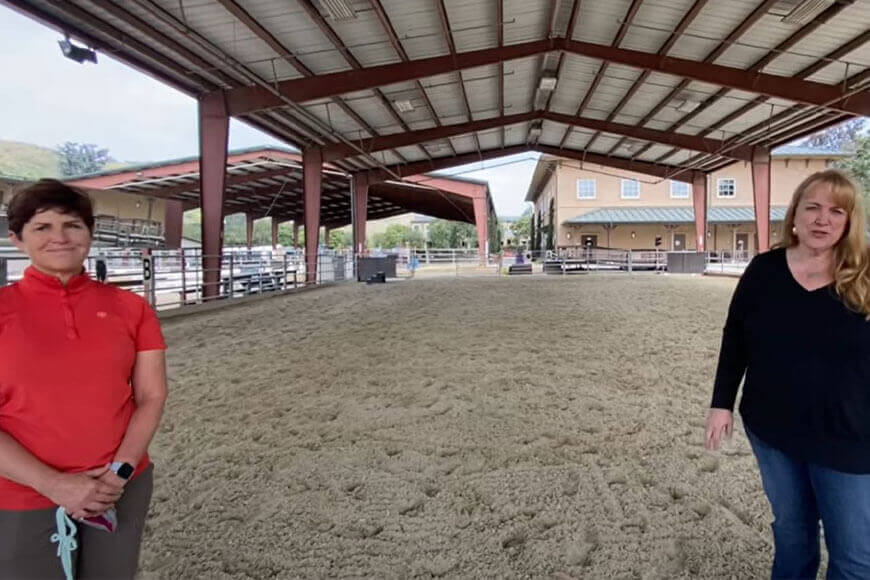
Hello Shea Friends! Many of you have asked about our virtual services and how they help our clients. This message introduces our telehealth services. Telehealth is a medically recognized therapy and though it’s not something The Shea Center has offered in the past, it...
At The Shea Center, our therapeutic/adaptive riding program hosts a wide variety of clients with many different ability levels. The main goal is to learn safe riding skills, which create independence and promote cognitive, physical, and social development. ...
Adaptive riding in a group or semi-private lesson provides clients with social interaction with fellow riders, leaders, sidewalkers and, of course, the instructor. As they learn riding skills, clients also pick up important life skills such as listening and taking...
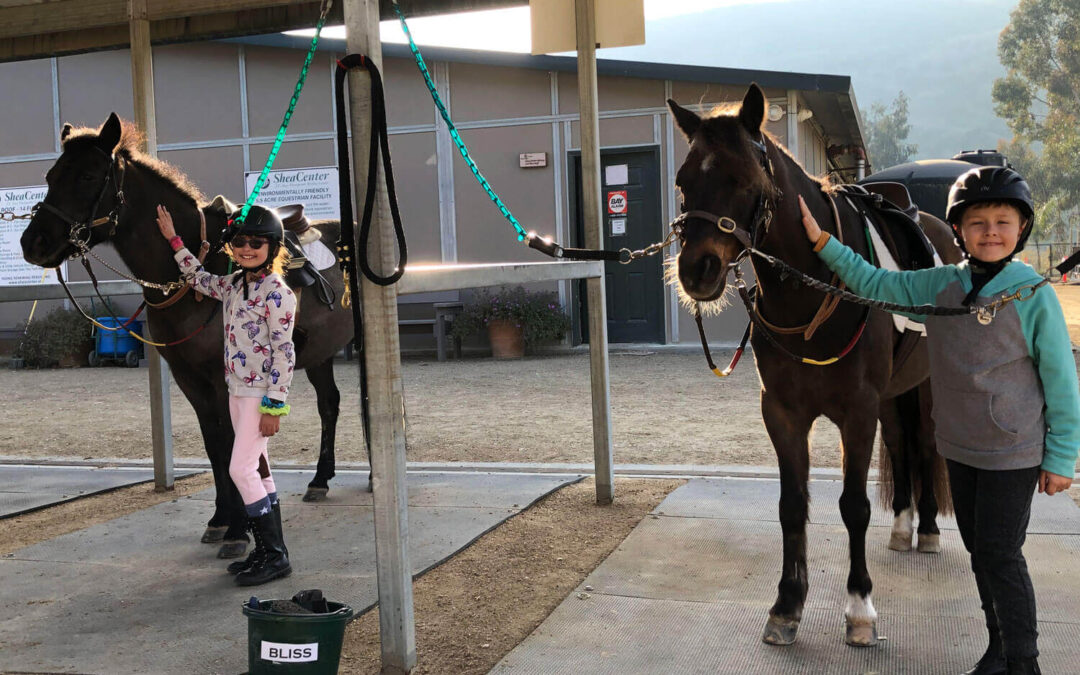
So, what does a typical day in the life of a Shea Center horse look like? It starts around 7:00 a.m. when our dedicated staff barn crew opens the barn and begins to feed our herd. It’s no easy task to accomplish this for over 35 horses, each with their own customized...
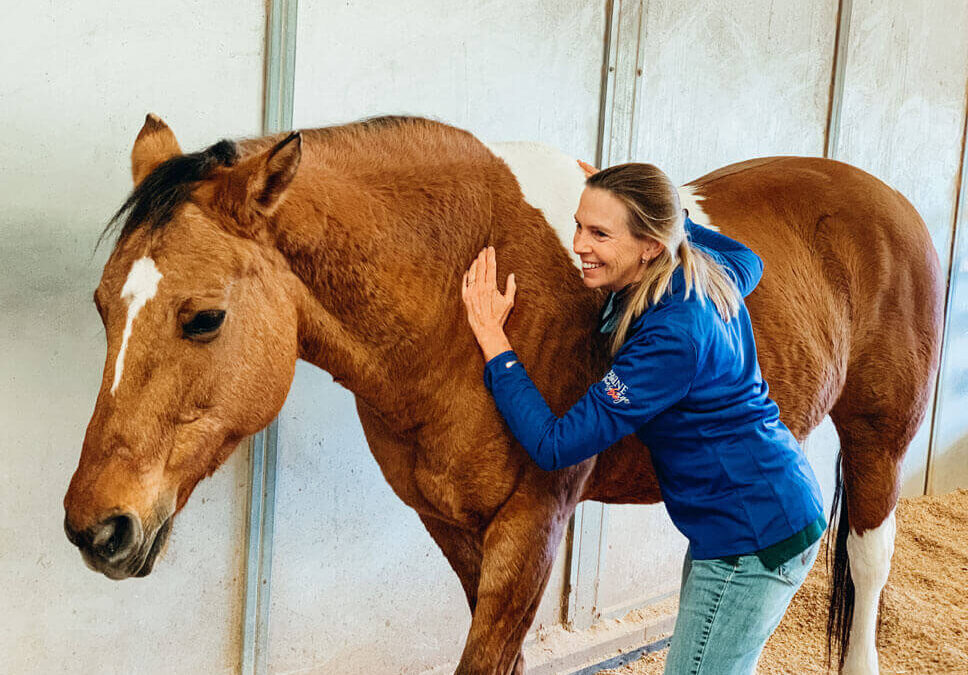
At The Shea Center, we take pride in our horses and make sure they have top quality care. In their line of work, it is crucial that our horses have the maximum amount of mobility so our clients receive the best movement their horse has to offer. Sue Kellogg Graf is...