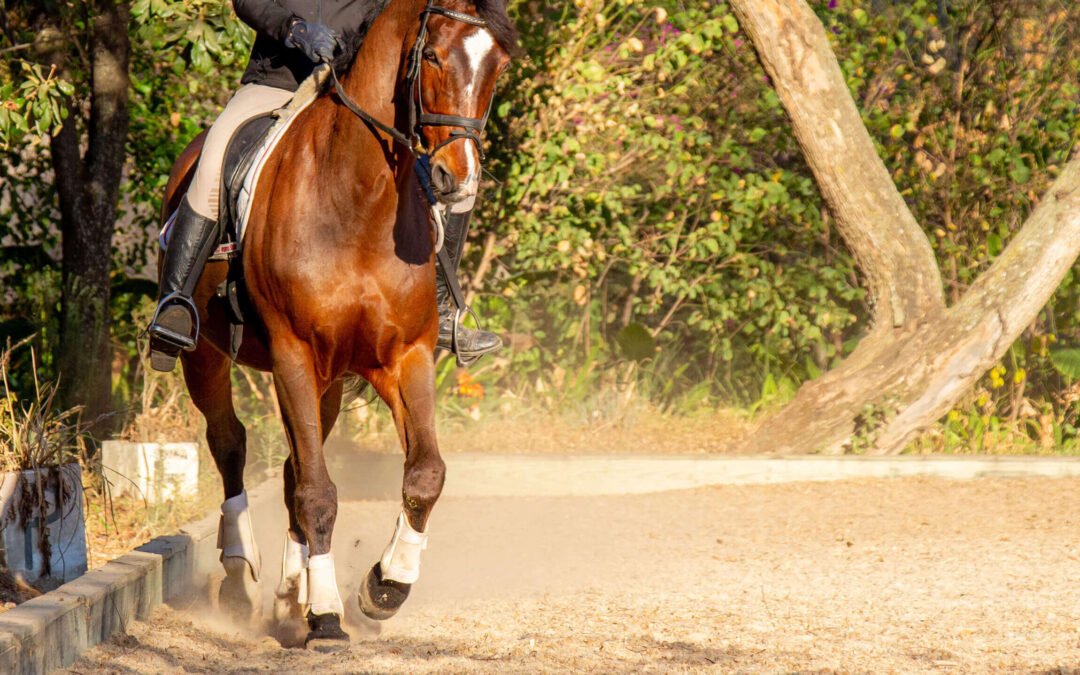
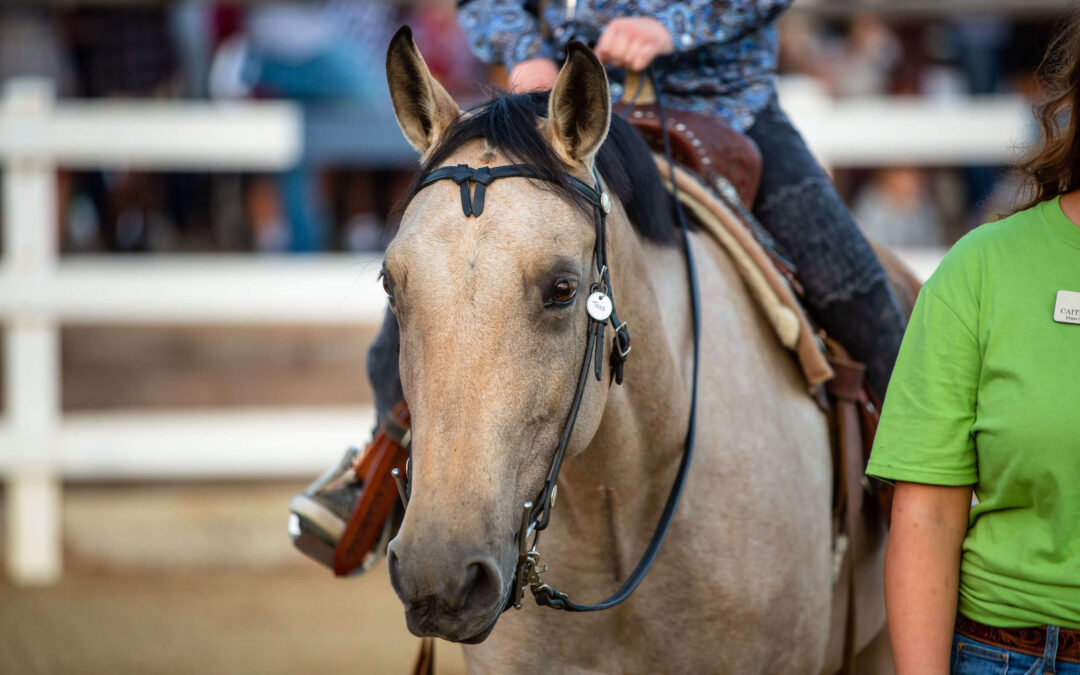
At The Shea Center, we strive to give our horses the best possible foundation for working in our program. Because each horse comes from a different background and has multiple staff and client riders, consistency in our horses’ training is a must. Dressage is the...
Departures, arrivals, boarding times, crew members…the barn on a busy day of therapeutic/adaptive riding is a lot like a metropolitan airport: lots of moving parts, and timing is everything. Ground zero for organizing all the activity is our white board. This is the...
Orange County Register featured article on The Shea Center and our telehealth services. "How can a client simulate the movement of riding a horse at home? How can clients share a connection with their horse when they can’t touch the animal? Answering those...
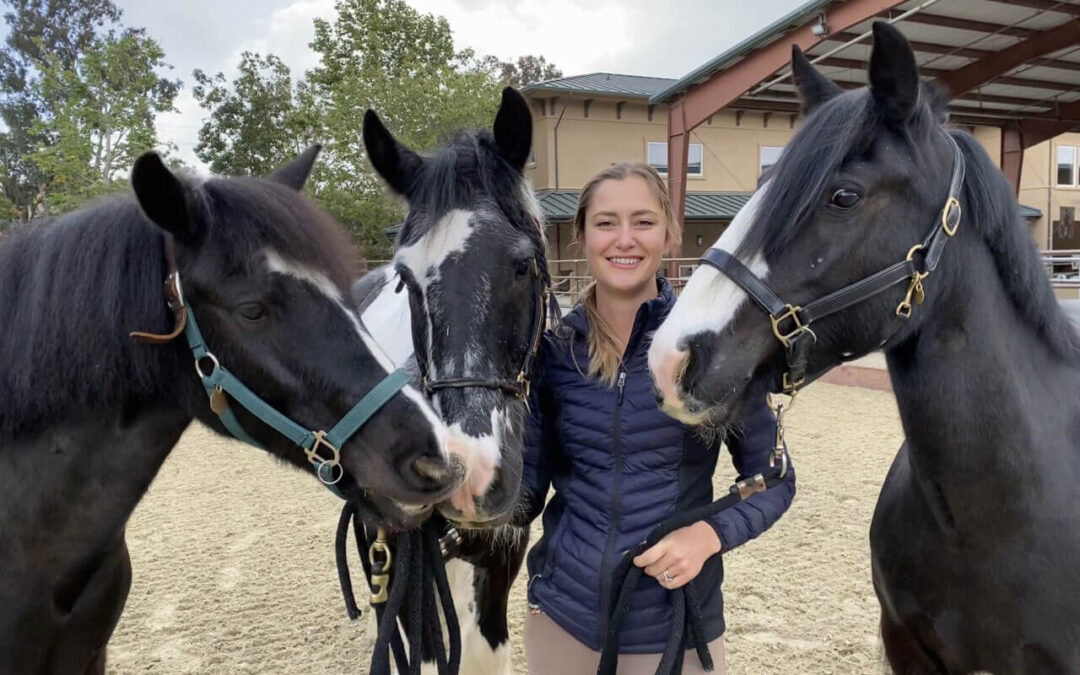
The Gypsy Vanner is one of the most popular horse breeds at The Shea Center. This breed has made a mark on our program because of their intelligence and eagerness to please. The breed originated in Ireland where they were used to pull carts for travelers and farmers....
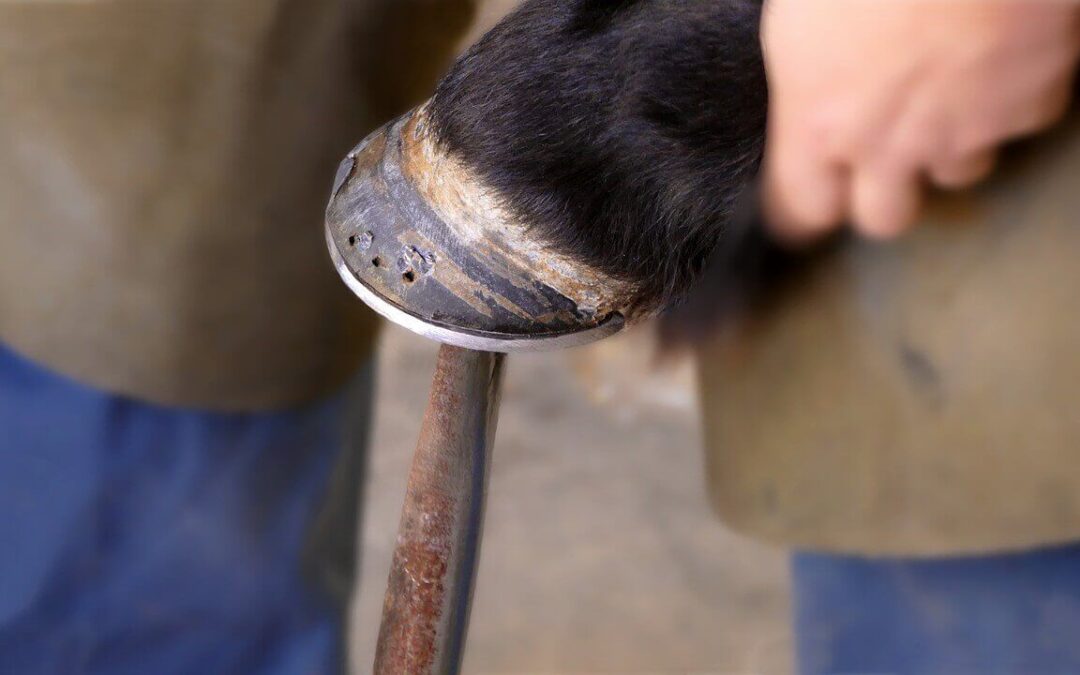
One of the reasons horses wear shoes is so their hooves don’t chip. Their hooves grow just as human toenails do and need to be trimmed every 6 – 8 weeks. At that time, the horses shoes are replaced. The horses at The Shea Center wear conventional horseshoes, but there...
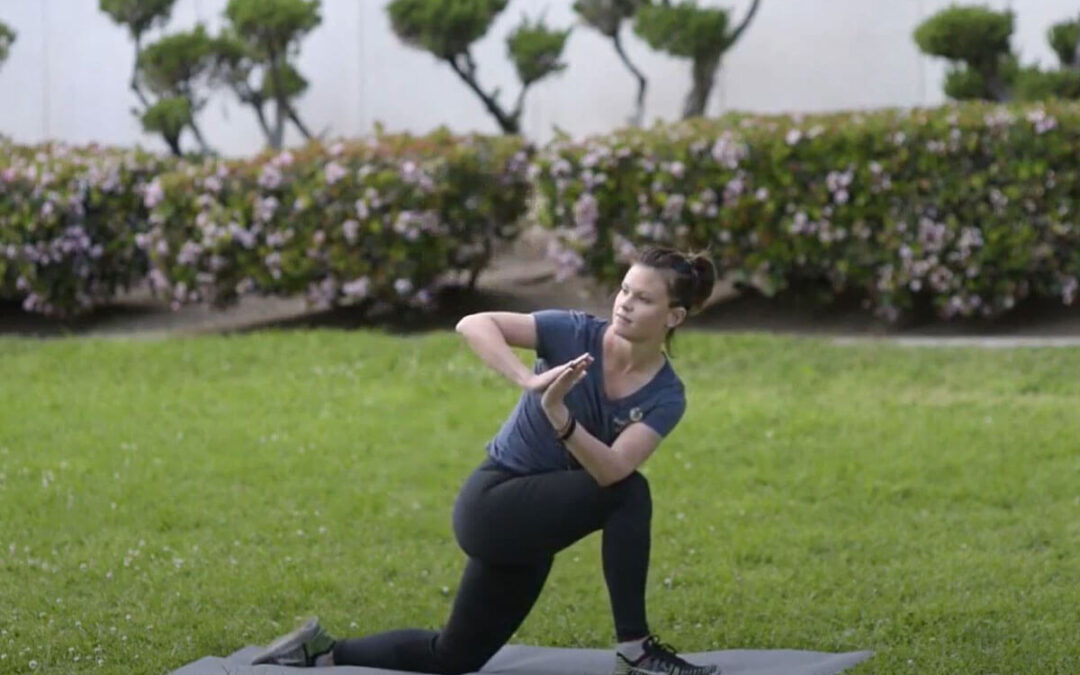
Here is a video by PATH Certified Therapeutic Riding Instructor and Instructor Manager, Alex, with exercises you can do at home to help rotate your neck and shoulders for adaptive riding. Think about how many times your instructor has said "look up" or "look through...
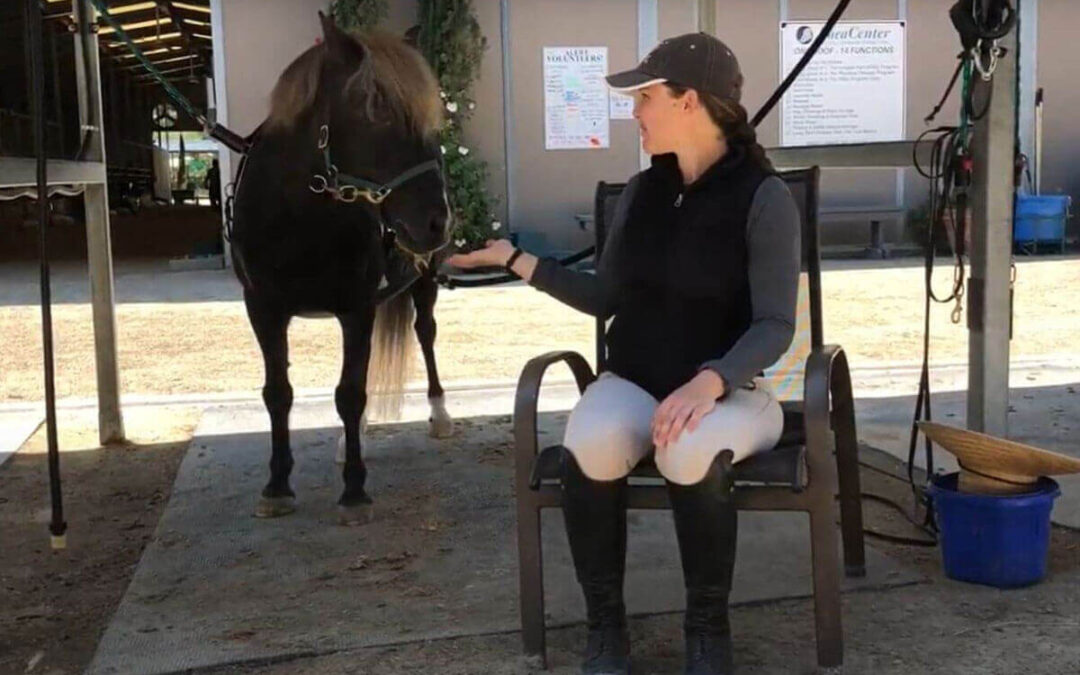
A look into the day in the life of Tess, one of our program horses, while we are all sheltering in place due to COVID-19. Katy discusses our horses’ dietary needs, grooming, equipment used, riding disciplines, daily exercise and more! Tess is a 21-year-old Lusitano...
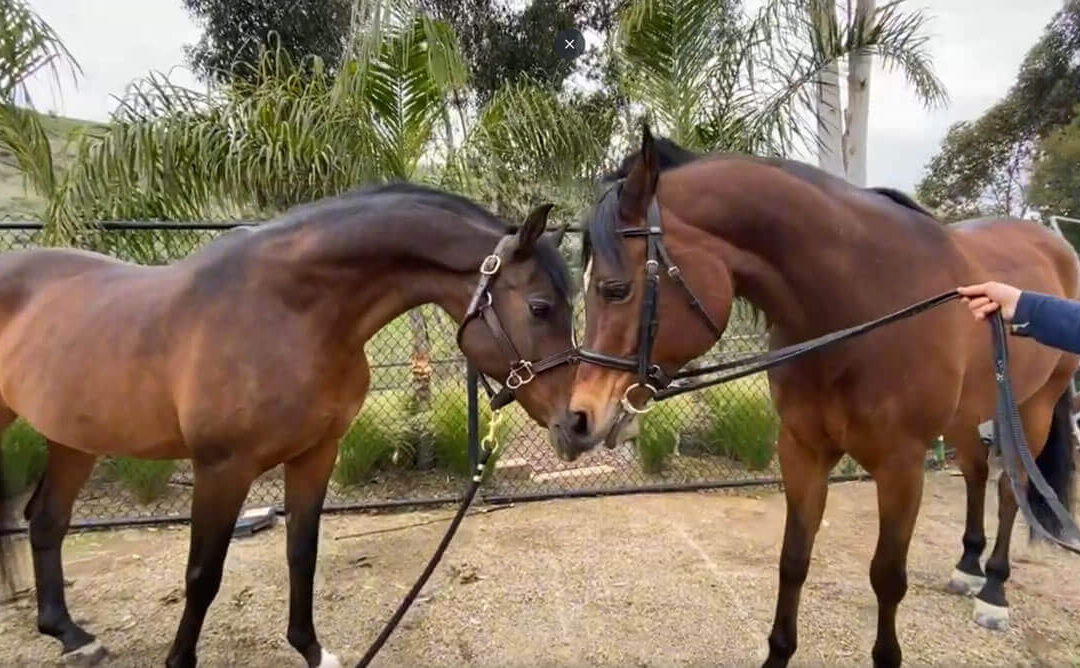
Auggie is The Shea Center's 13-year-old Arabian program horse! In this video, Shea Center staff member, Katy Purmort, talks with fellow staff member Dana Green (owner of Arabian horse Whiskey) about the history of this marvelous horse breed.
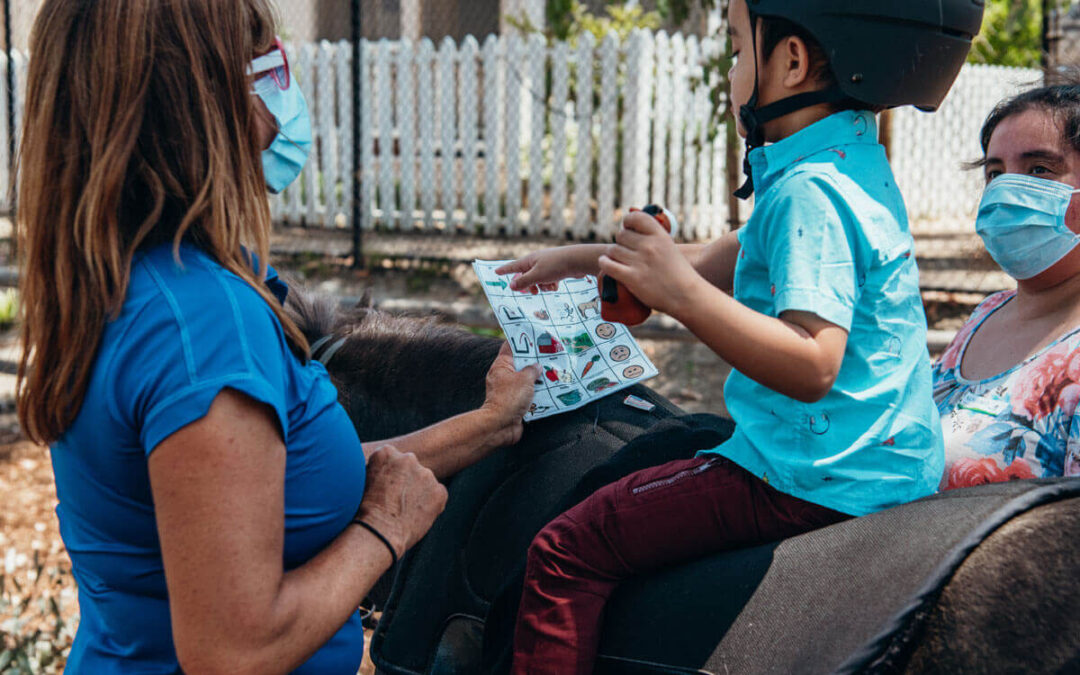
Why does a speech language pathologist (SLP), incorporate hippotherapy in practice? Equine movement is used to engage sensory, neuromotor and cognitive systems to promote functional outcomes in the area of communication. Many patients I see who experience...
Hello Shea clients, families and friends! Here is a video by physical therapist, Randi, with an easy daily stretching routine that you can do at home to improve your flexibility and improve your position on the horse. These stretches are also helpful to improve...