Vic has been a farrier (horseshoer) at The Shea Center for 14 years and does specialty shoeing for some of our horses. By frequently consulting with The Shea Center's vet, Dr. Markell, Vic has been able to meet the needs of our horses that have hoof-related issues....
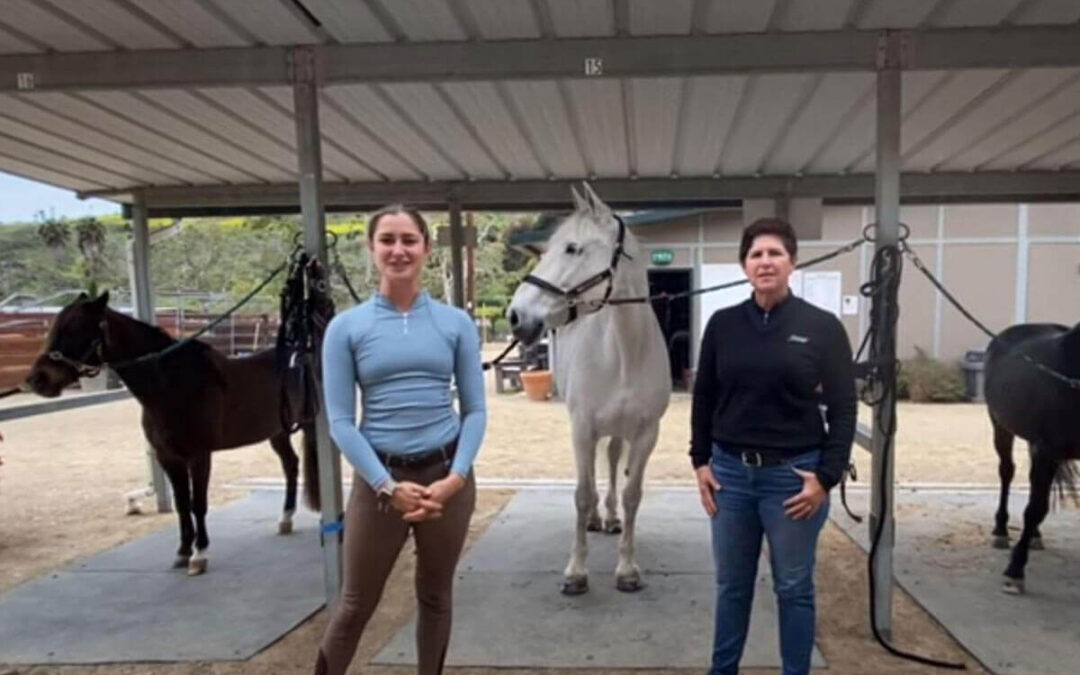
Because safety is always a priority at The Shea Center, we are experienced in assessing, establishing and evolving safety protocols in a variety of circumstances. This expertise and agility enabled us to quickly and proactively develop necessary protocols and...
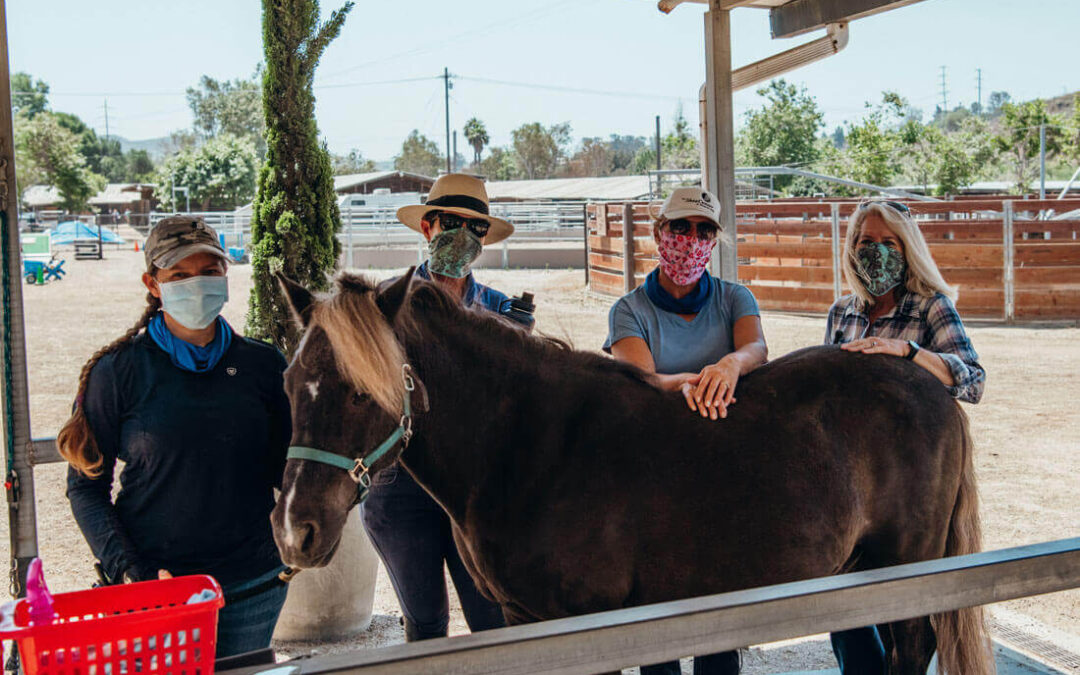
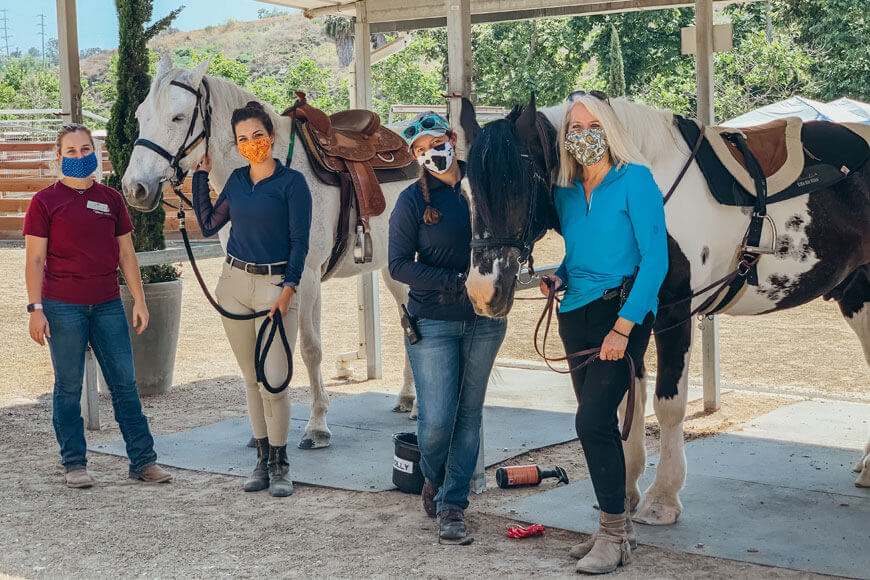
We are thankful to all of the donors and organizations that have donated face masks and face shields to The Shea Center. These provide our staff, clients, and volunteers with a variety of face covering options. ...
Most of our horses are generously donated by individuals. Because not all horses are good candidates for a therapeutic riding program, each horse goes through a thorough 90-day trial period. A program horse candidate must be calm, react positively to human...
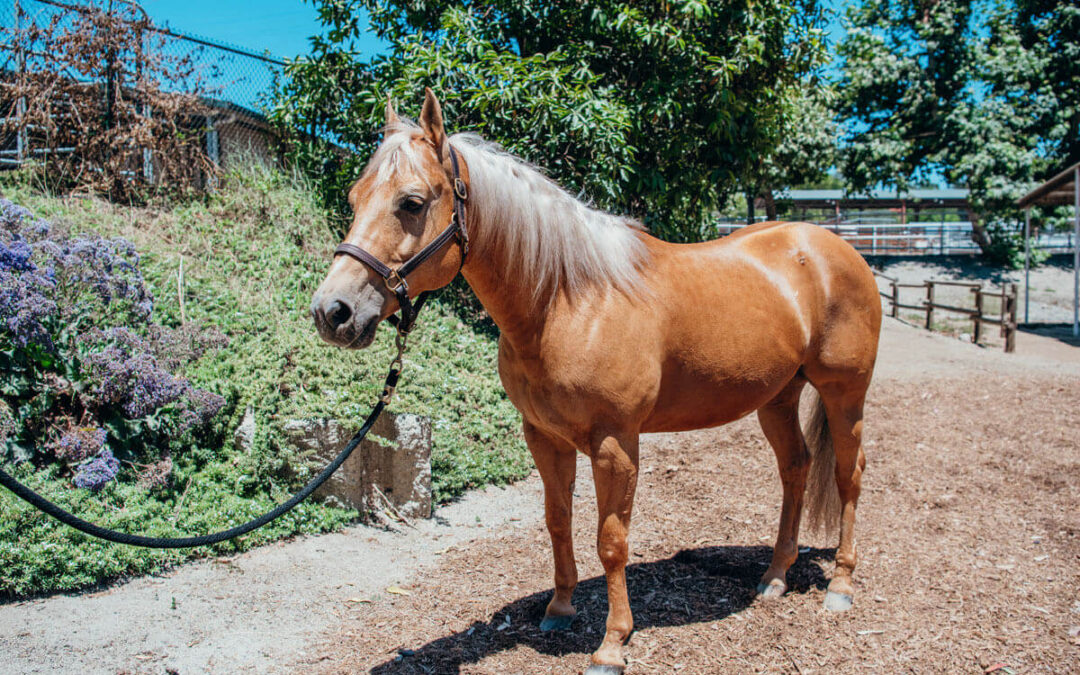
Among the large variety of horse breeds at The Shea Center, the American Quarter Horse is the most popular. The Quarter Horse is an ideal mount for equine-related therapies because of its temperament and disposition. The horses are known for their warm personality, a...
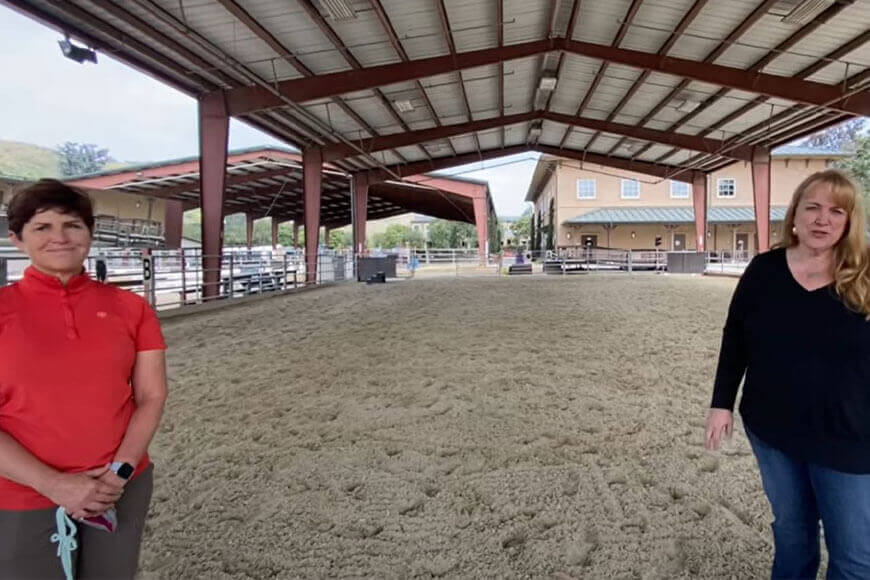
Hello Shea Friends! Many of you have asked about our virtual services and how they help our clients. This message introduces our telehealth services. Telehealth is a medically recognized therapy and though it’s not something The Shea Center has offered in the past, it...
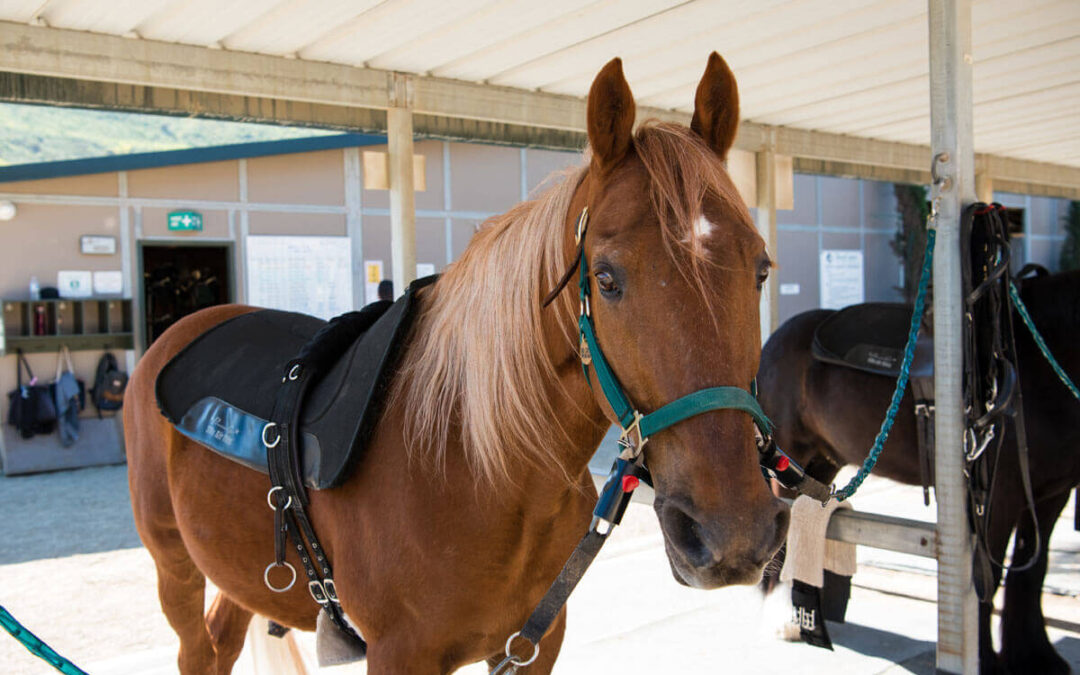
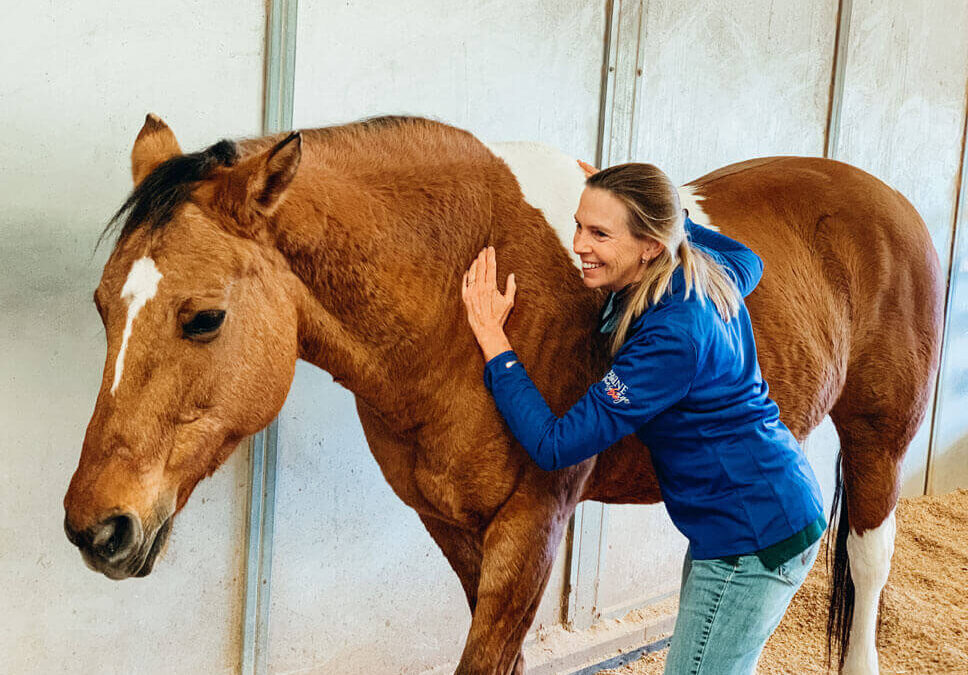
At The Shea Center, we take pride in our horses and make sure they have top quality care. In their line of work, it is crucial that our horses have the maximum amount of mobility so our clients receive the best movement their horse has to offer. Sue Kellogg Graf is...
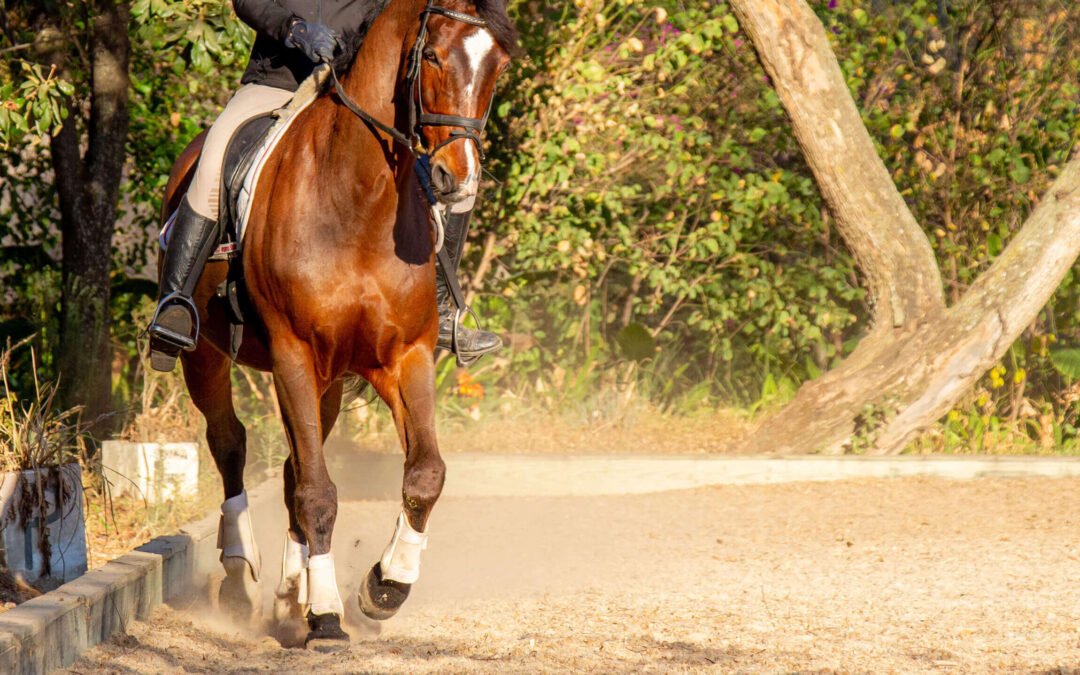
At The Shea Center, we strive to give our horses the best possible foundation for working in our program. Because each horse comes from a different background and has multiple staff and client riders, consistency in our horses’ training is a must. Dressage is the...
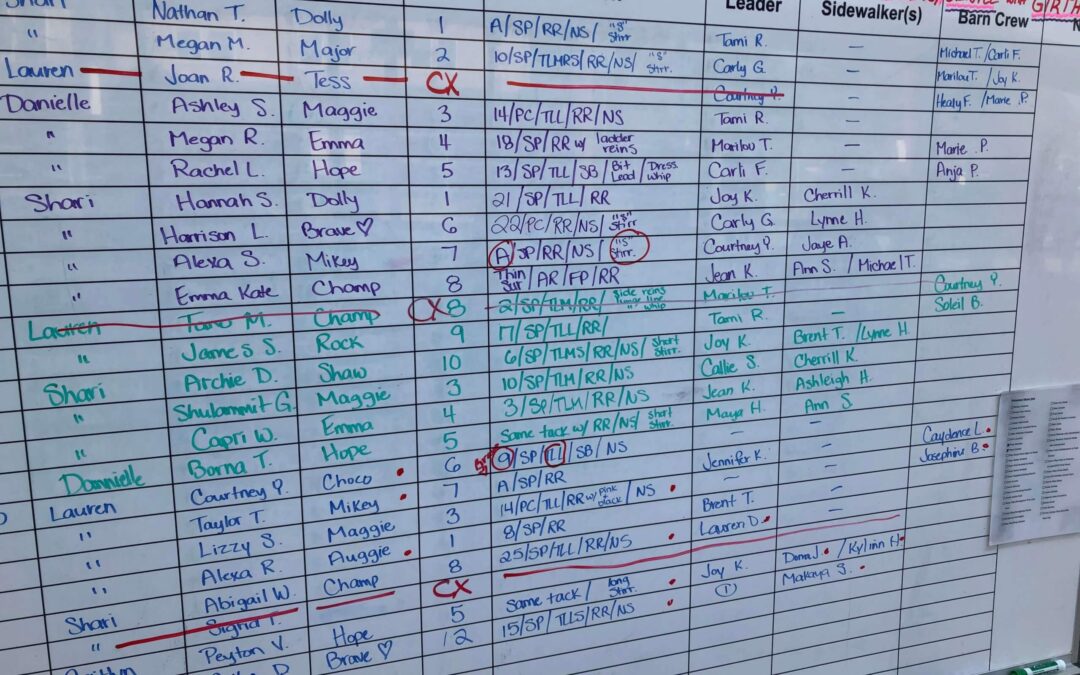
Departures, arrivals, boarding times, crew members…the barn on a busy day of therapeutic/adaptive riding is a lot like a metropolitan airport: lots of moving parts, and timing is everything. Ground zero for organizing all the activity is our white board. This is the...