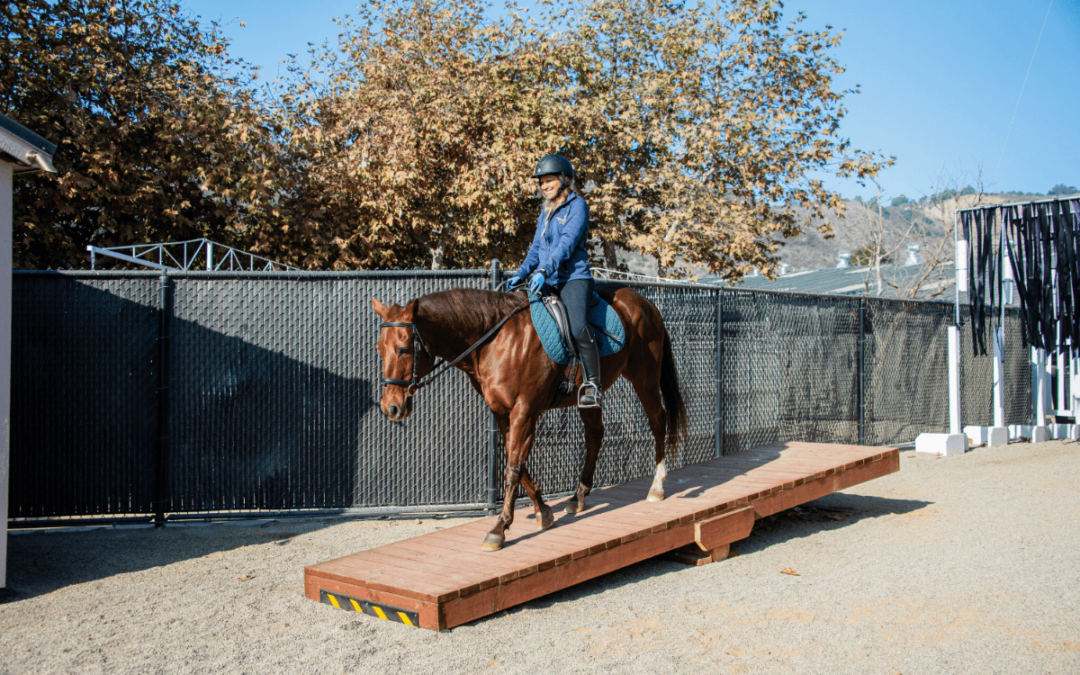
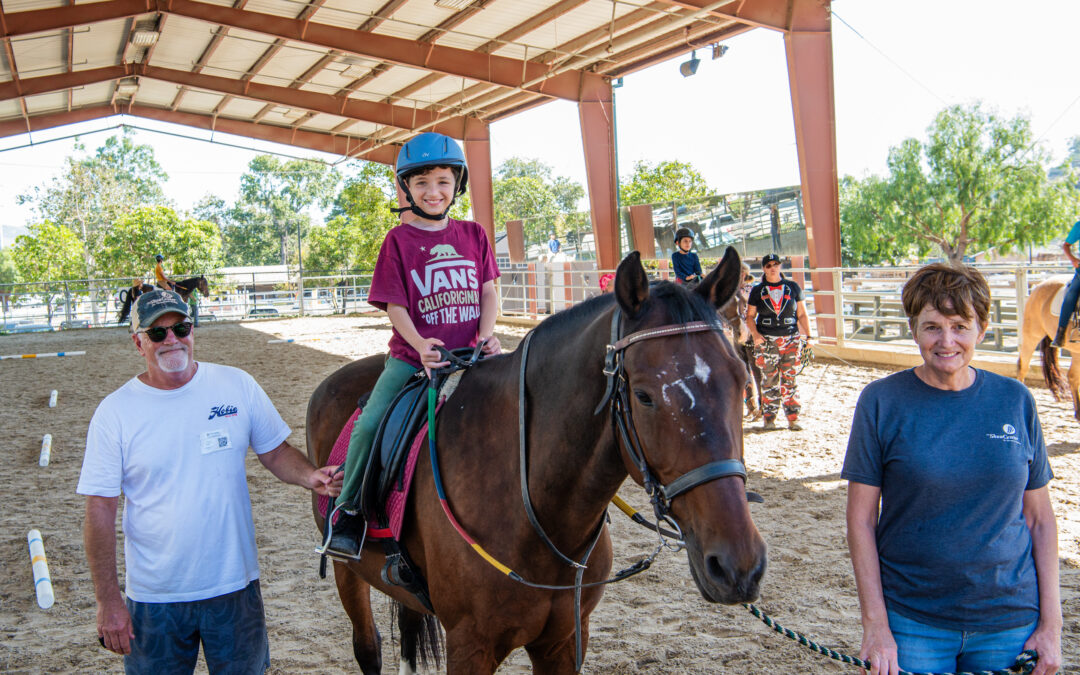
The Shea Center’s challenge course benefits clients and horses, enhancing their physical and mental well-being. Participants can ride or lead horses through various carefully designed obstacles. This comprehensive course is used in all Shea Center programs, including...
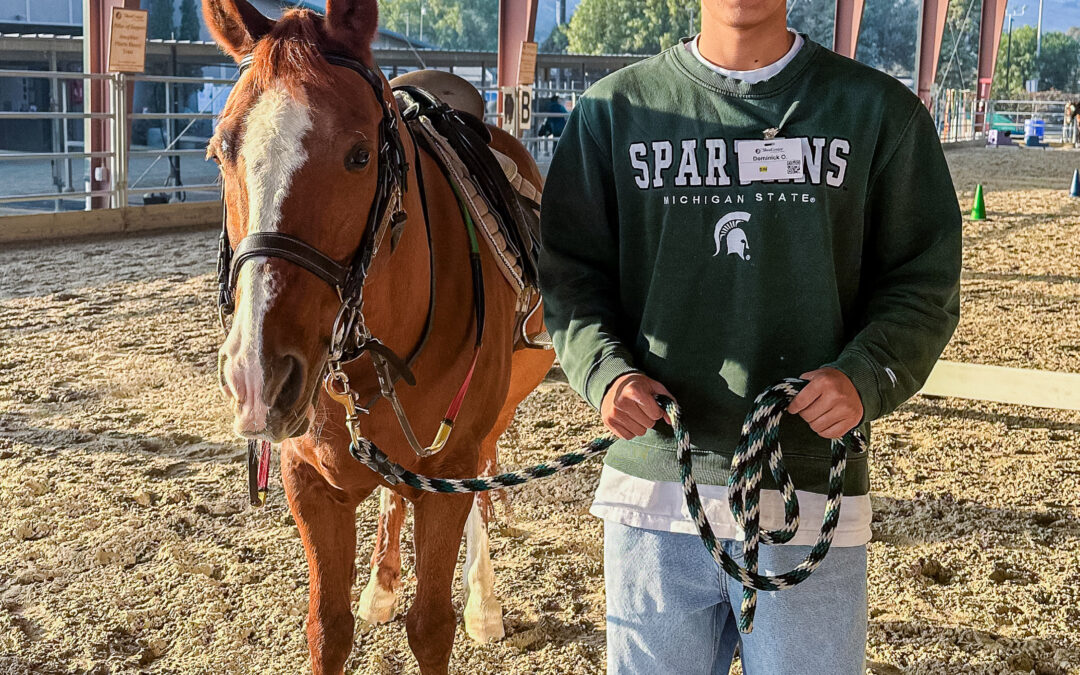
Congratulations to Dominick! Volunteer Services manager Michele Gingras has these comments about our new volunteer of the month: "Dominick brings calm confidence, showing genuine care and attentiveness. He knows how to bring a playful energy when needed, especially to...
Have you ever wondered how to become a therapist who uses hippotherapy in clinical practice? The steps below outline a common pathway to gain experience and mentoring to become a successful practitioner utilizing our favorite therapy treatment modality!
By- Karen Yamasaki, OTR/L Occupational therapists are specialists who help children and adults improve their independence and quality of life by developing or regaining essential daily living skills. The term "occupation" refers not just to jobs but to everything that...
Volunteer Services manager Michele Gingras had this to say about volunteer of the month, Kate Lund, "Kate has been a sidewalker for the same client for the past 1.5 years. Kate brings calmness to the lesson and the consistency and stability essential for the client's...
It’s the most wonderful time of the year! The Volunteer Office is bringing on the holiday cheer with your favorites restocked: hot cocoa, cider, and peppermint candies! Come on in, take a break, and enjoy a cozy cup of cocoa. We’re so grateful for the time you’ve...
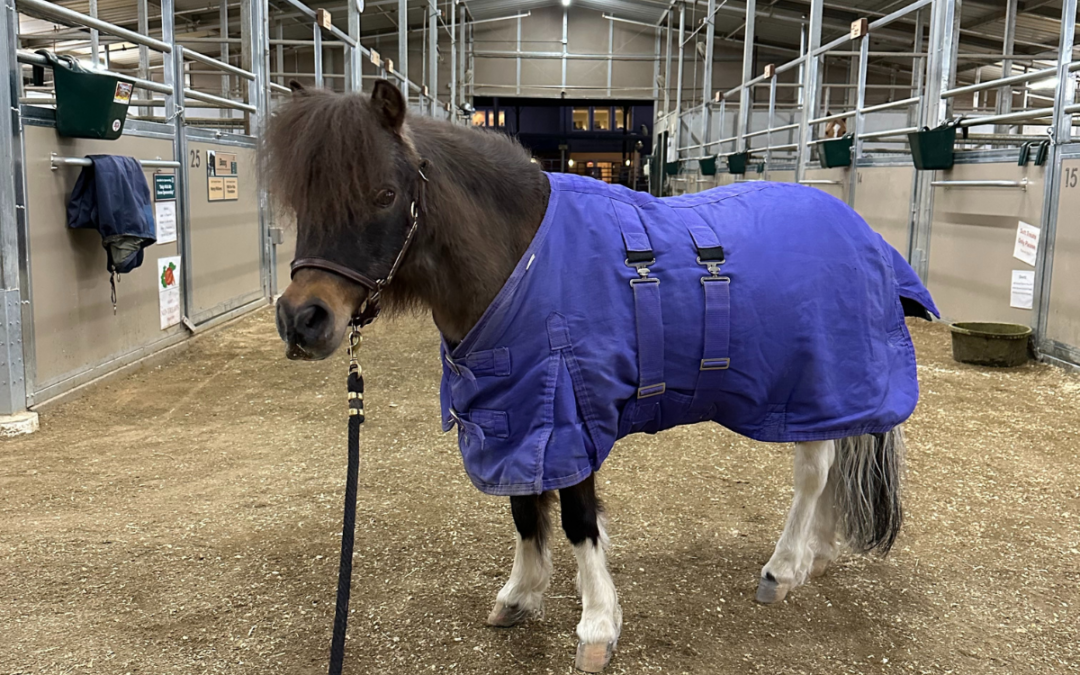
Blankets help horses regulate and maintain their body heat. Some horses with thin or short coats wear blankets during the winter to stay warm on chilly nights. Typically, when nighttime temperatures drop below 55 degrees, a few select horses are outfitted with winter...
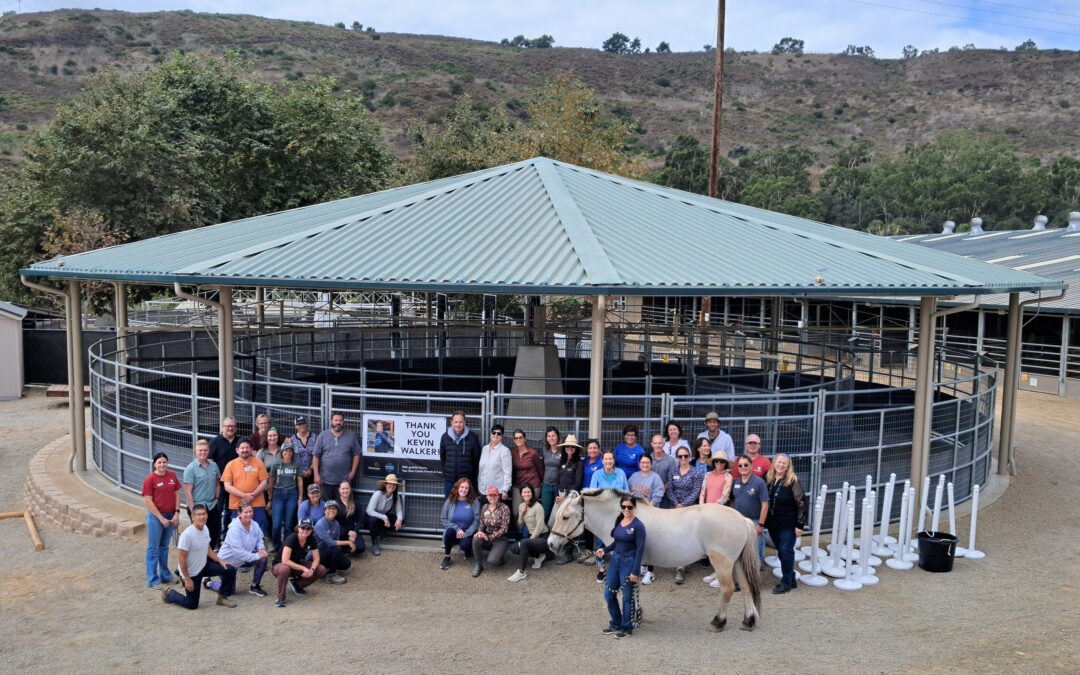
In the wild, horses travel around 30 miles daily, grazing and drinking (EquiMed, 2017). For horses that live in a facility, sun pens and mechanical walkers (such as a Eurowalker) can help achieve well-rounded daily exercise in addition to riding and lunging. The Shea...
Congratulations to Tony Bogle our new volunteer of the month! Why we love him: Volunteer Services Manager, Michele Gingras, calls Tony our ‘on-call sidewalker’. “You see him here every week; he can be put in any spot with any client and does a great job. When he’s not...
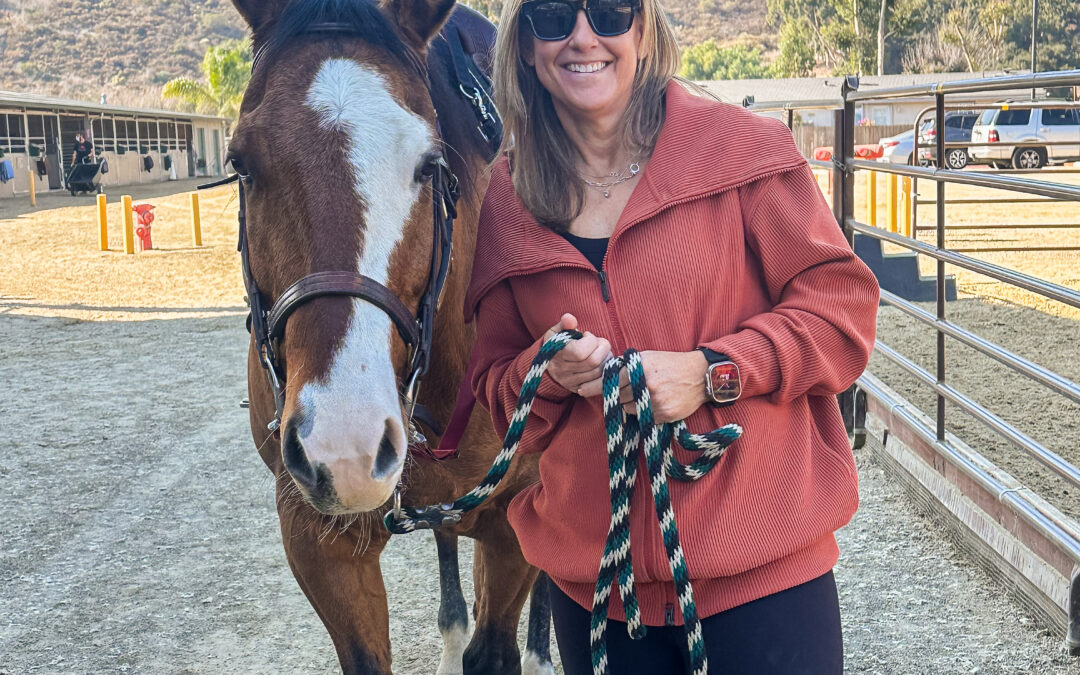
The Shea Center has a select group of exceptional horses labeled as “staff only.” What does this mean? These horses, due to their unique personalities, receive specialized, one-on-one training from highly skilled staff or volunteers. This focused attention helps them...