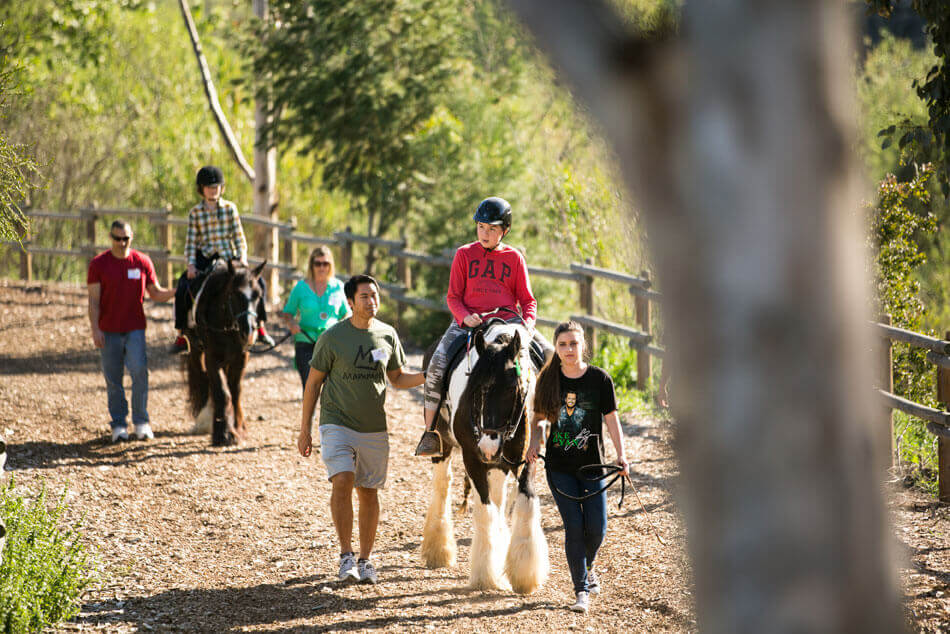
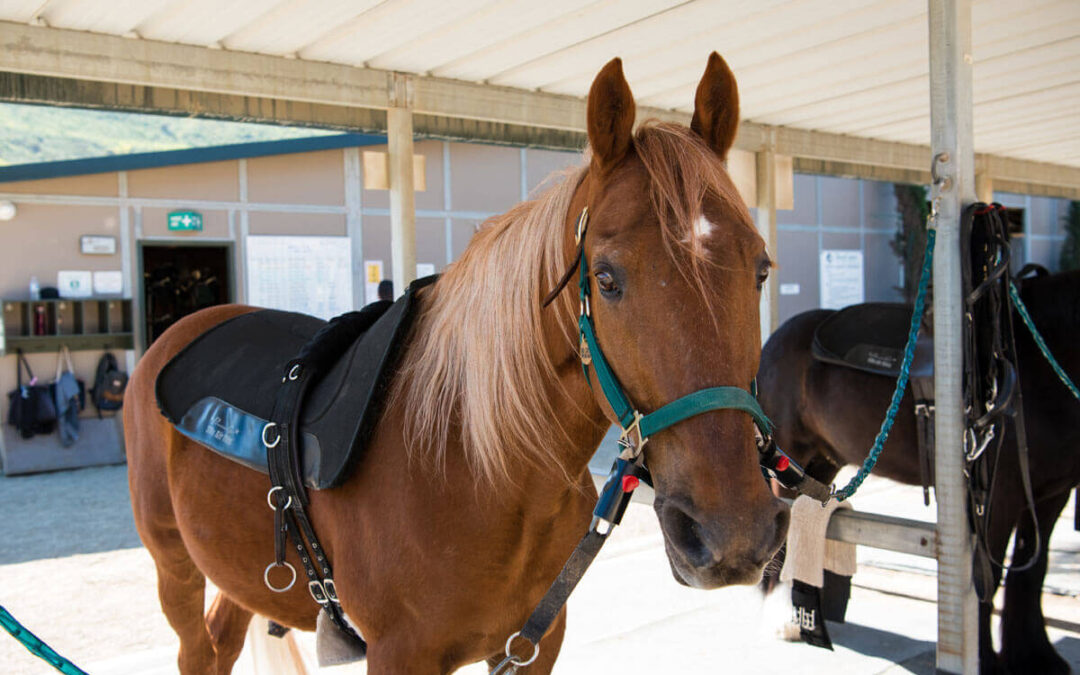
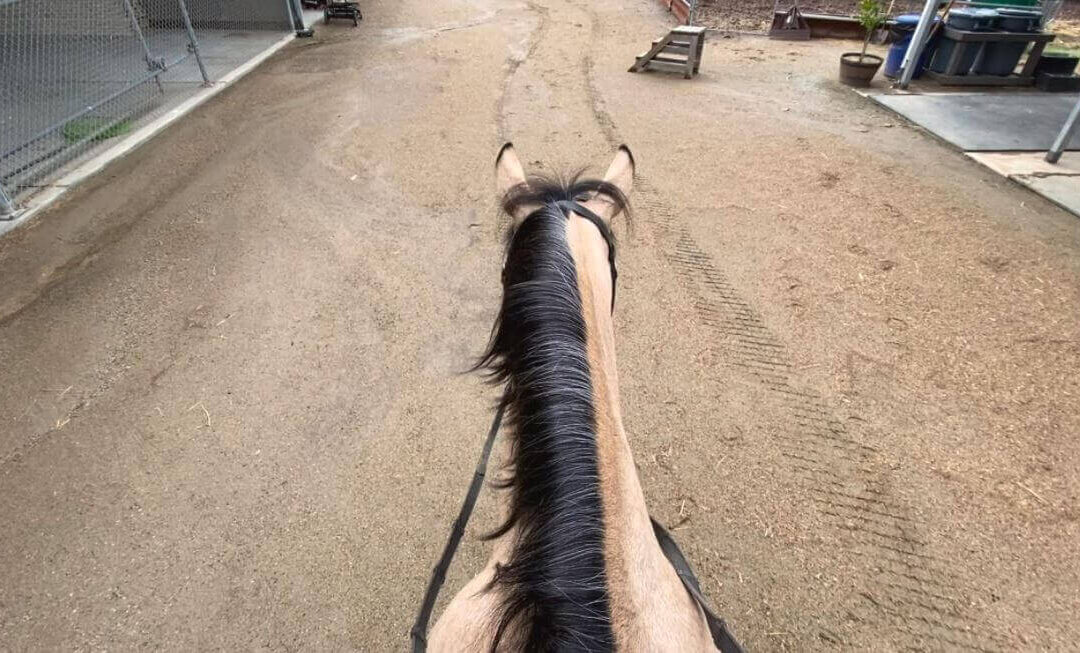
Did you know that the “dirt” on the floor of the arenas is actually called “footing”? Did you know that The Shea Center has access to beautiful trails behind our property? Learn more below. About the Arena Footing Footing is the sand mixture that looks like dirt...
Most of our horses are generously donated by individuals. Because not all horses are good candidates for a therapeutic riding program, each horse goes through a thorough 90-day trial period. A program horse candidate must be calm, react positively to human...
The Shea Center currently has 25 specially trained therapy horses, ponies, and miniature horses that require consistent attention. Our herd is comprised of various breeds, types, sizes, ages, temperaments, and movements all contributing to the success of our program....
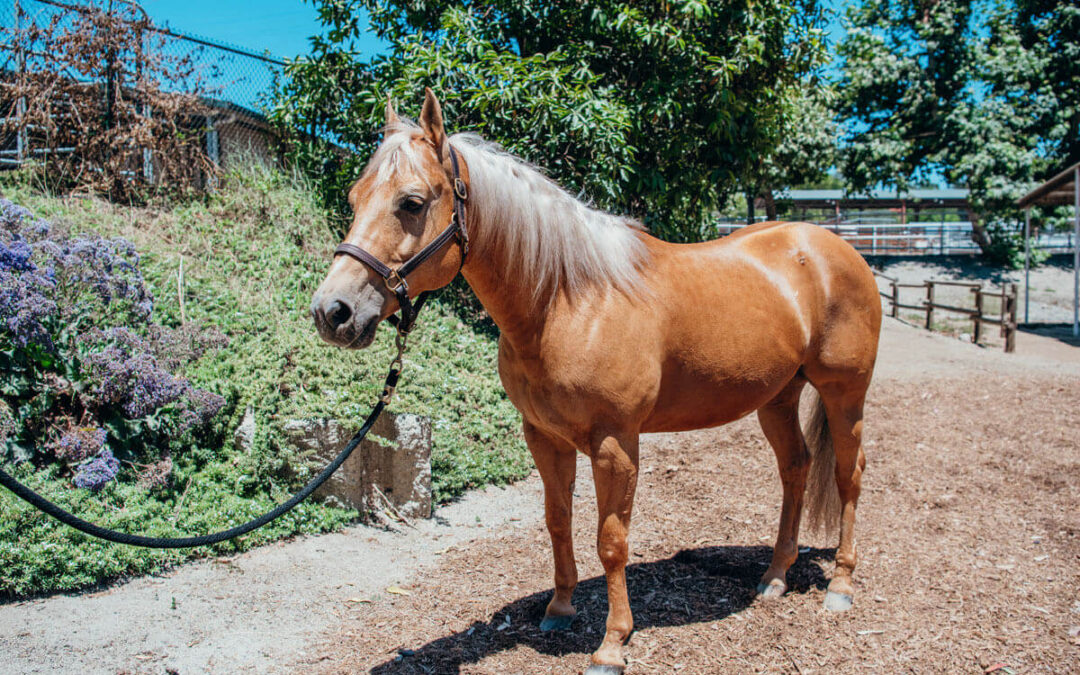
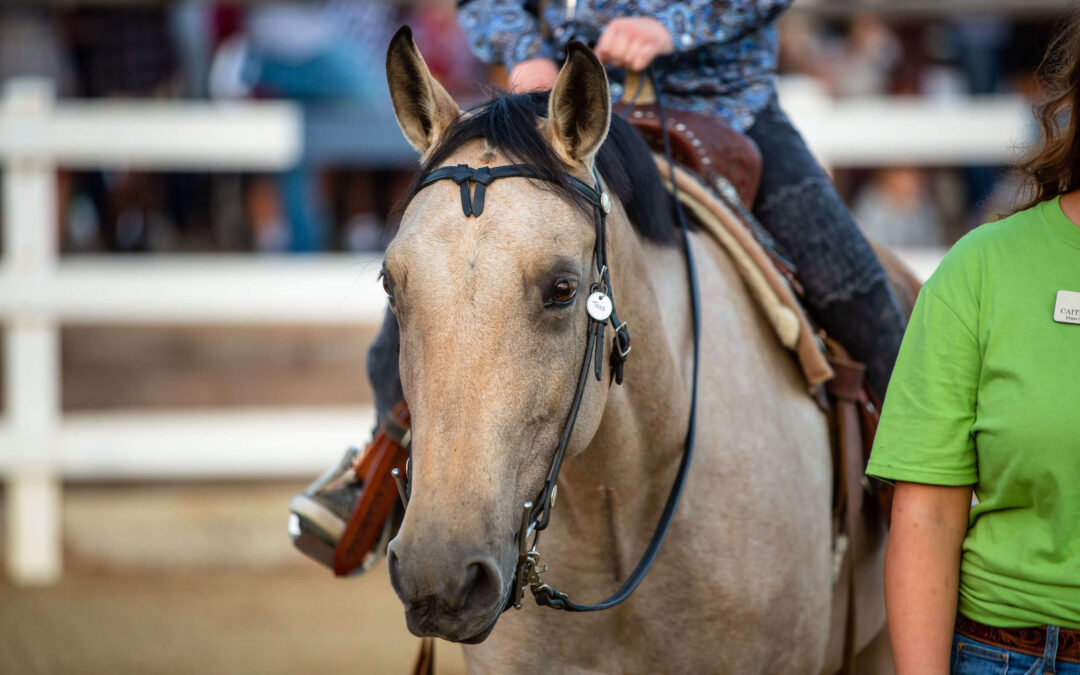
Among the large variety of horse breeds at The Shea Center, the American Quarter Horse is the most popular. The Quarter Horse is an ideal mount for equine-related therapies because of its temperament and disposition. The horses are known for their warm personality, a...
So, what does a typical day in the life of a Shea Center horse look like? It starts around 7:00 a.m. when our dedicated staff barn crew opens the barn and begins to feed our herd. It’s no easy task to accomplish this for over 35 horses, each with their own customized...
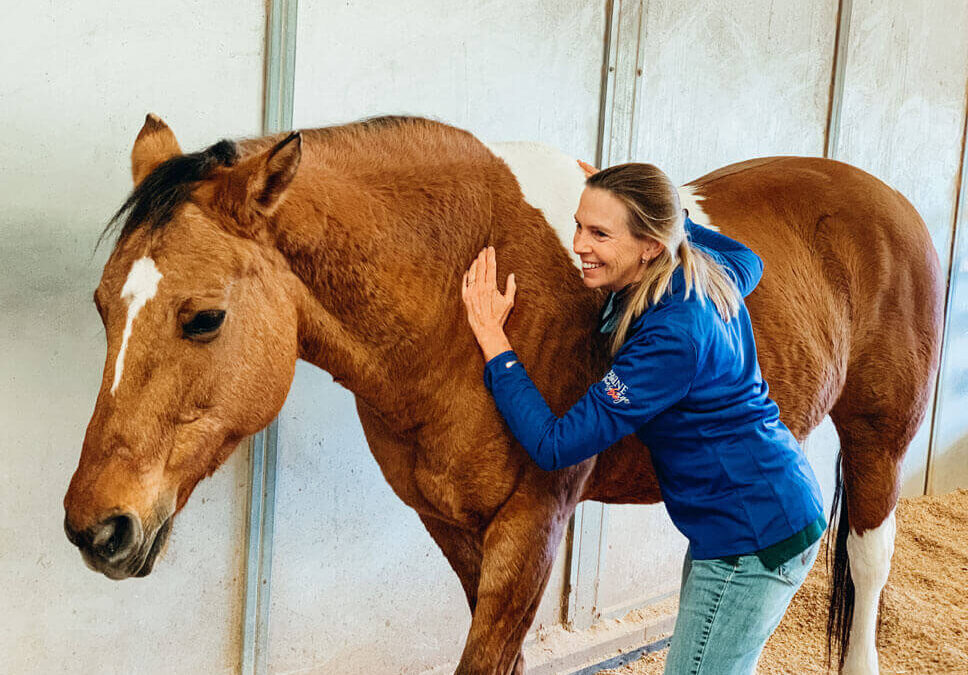
At The Shea Center, we take pride in our horses and make sure they have top quality care. In their line of work, it is crucial that our horses have the maximum amount of mobility so our clients receive the best movement their horse has to offer. Sue Kellogg Graf is...
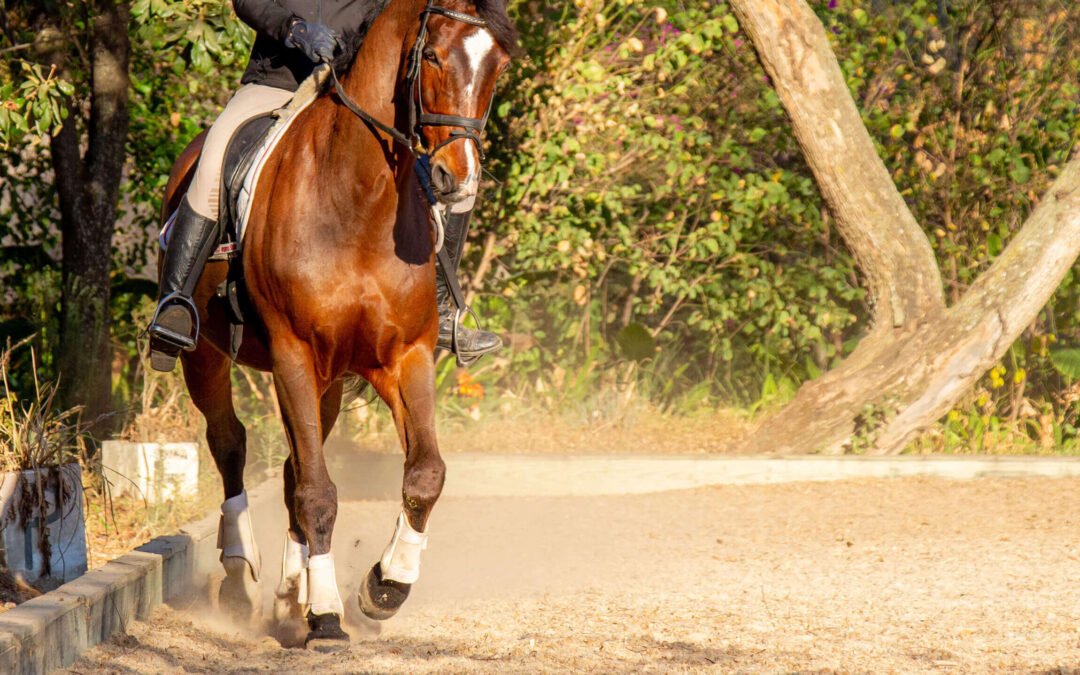
At The Shea Center, we strive to give our horses the best possible foundation for working in our program. Because each horse comes from a different background and has multiple staff and client riders, consistency in our horses’ training is a must. Dressage is the...
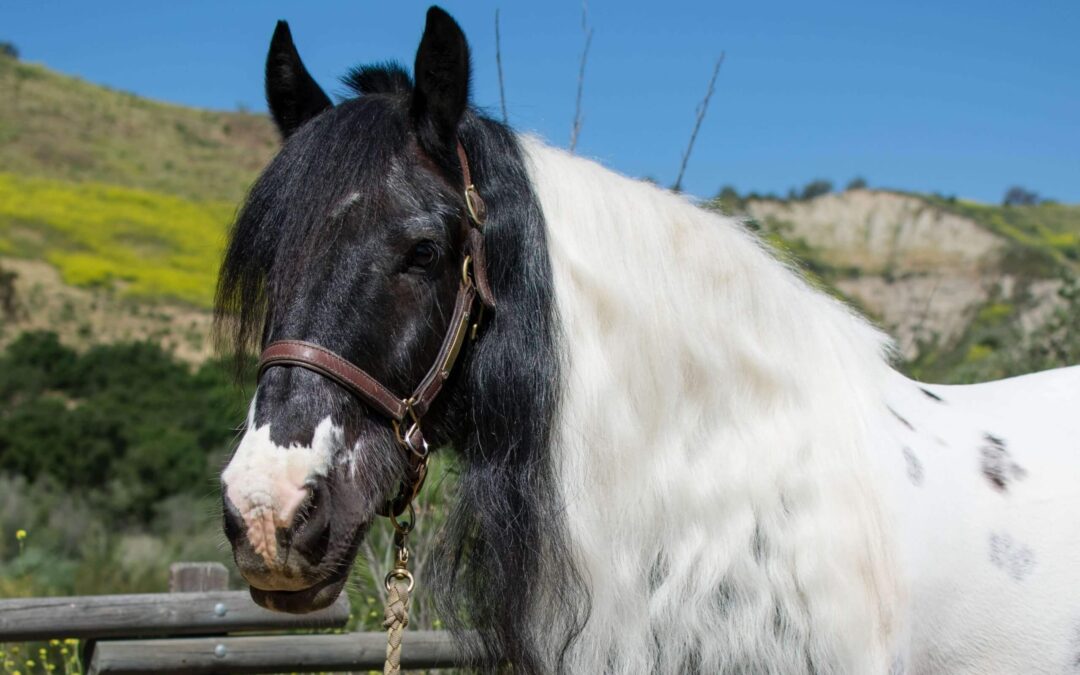
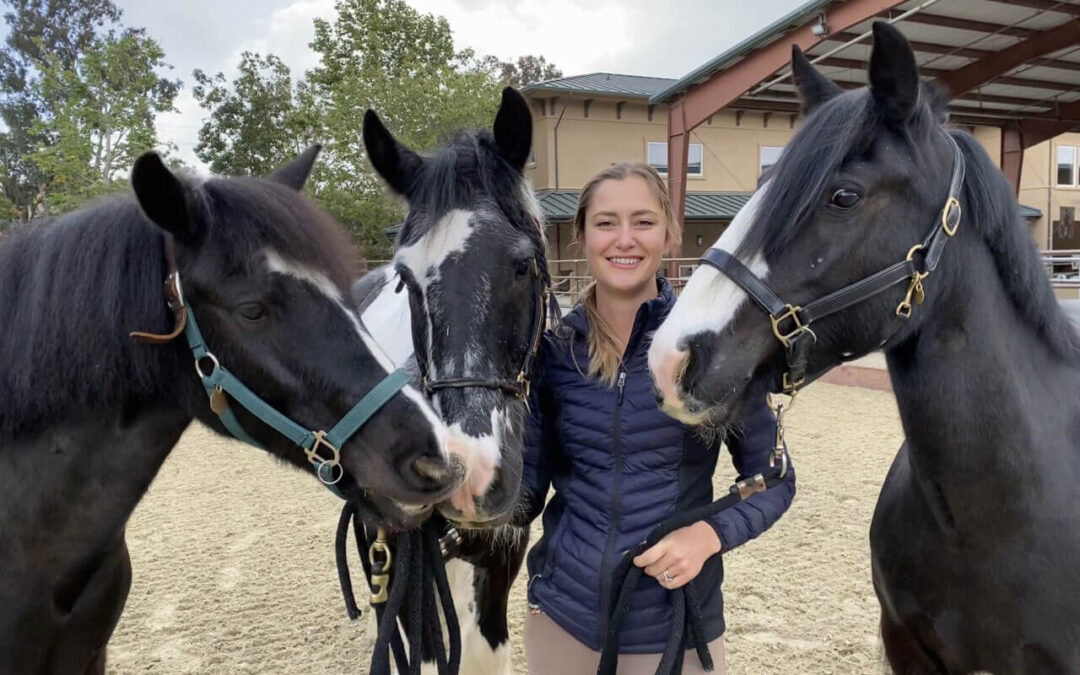
The Gypsy Vanner is one of the most popular horse breeds at The Shea Center. This breed has made a mark on our program because of their intelligence and eagerness to please. The breed originated in Ireland where they were used to pull carts for travelers and farmers....
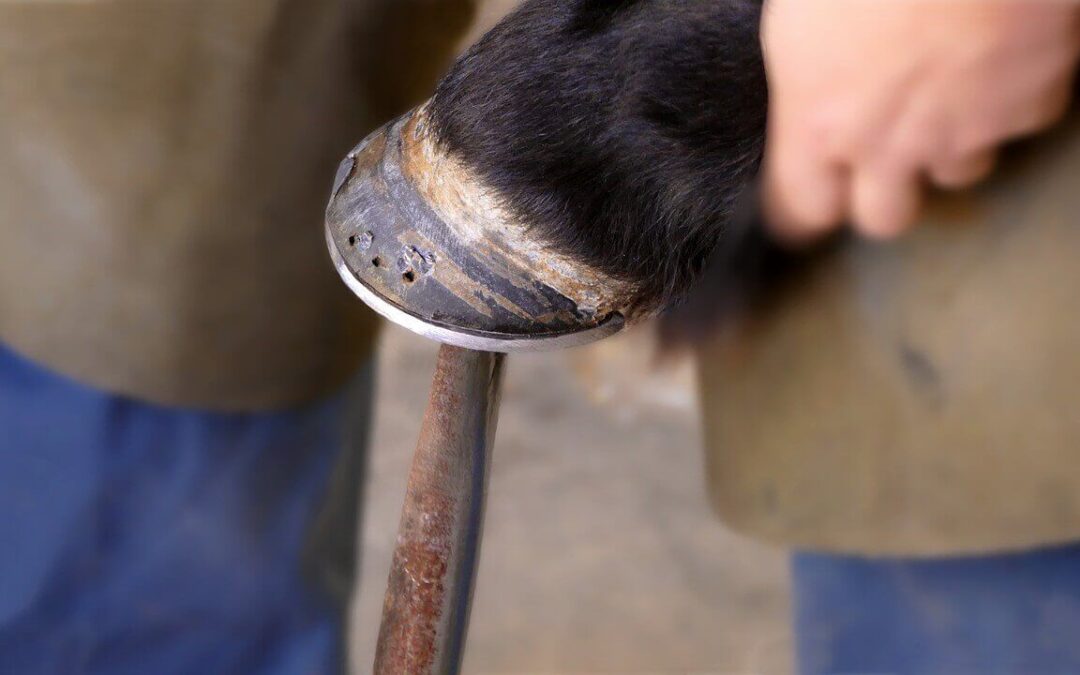
One of the reasons horses wear shoes is so their hooves don’t chip. Their hooves grow just as human toenails do and need to be trimmed every 6 – 8 weeks. At that time, the horses shoes are replaced. The horses at The Shea Center wear conventional horseshoes, but there...
A look into the day in the life of Tess, one of our program horses, while we are all sheltering in place due to COVID-19. Katy discusses our horses’ dietary needs, grooming, equipment used, riding disciplines, daily exercise and more! Tess is a 21-year-old Lusitano...