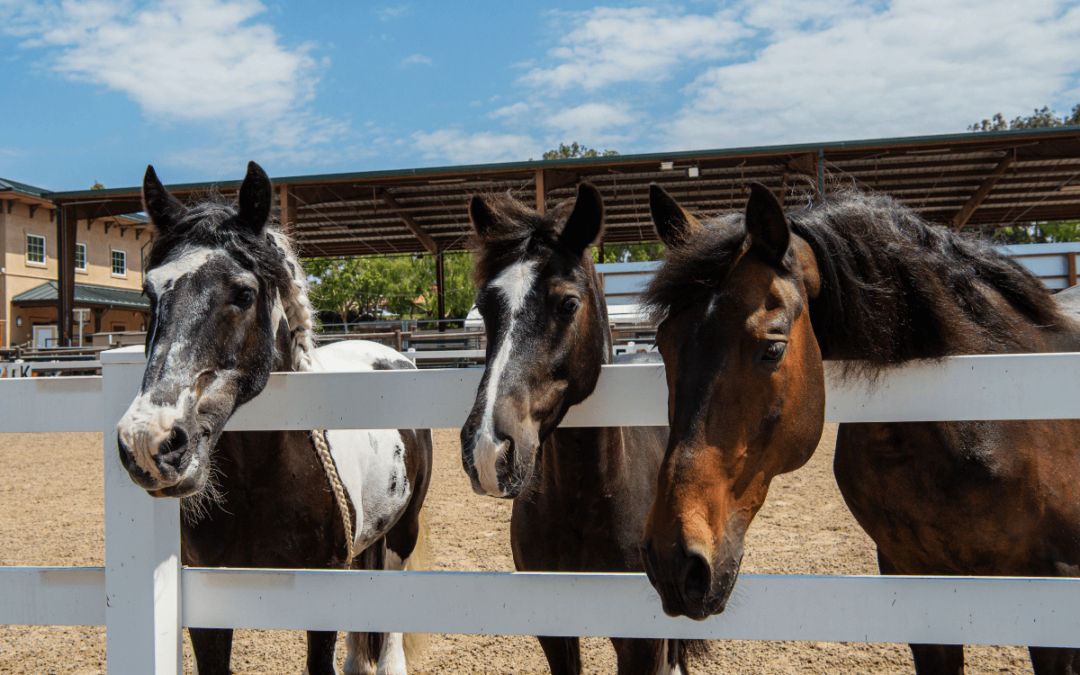
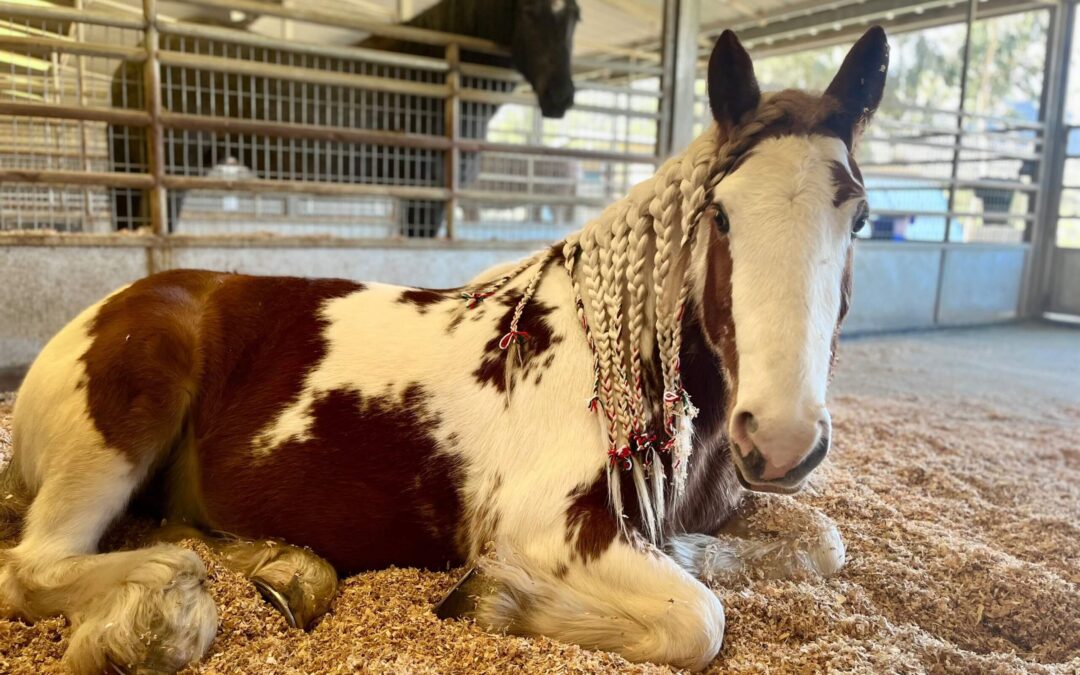
Out of the 28 program horses in the current Shea Center barn, there are 13 breeds. The most popular breeds are American Quarter Horses and Gypsy Vanners. Each breed brings its unique gait and movement, providing various options for clients. The youngest horse in the...
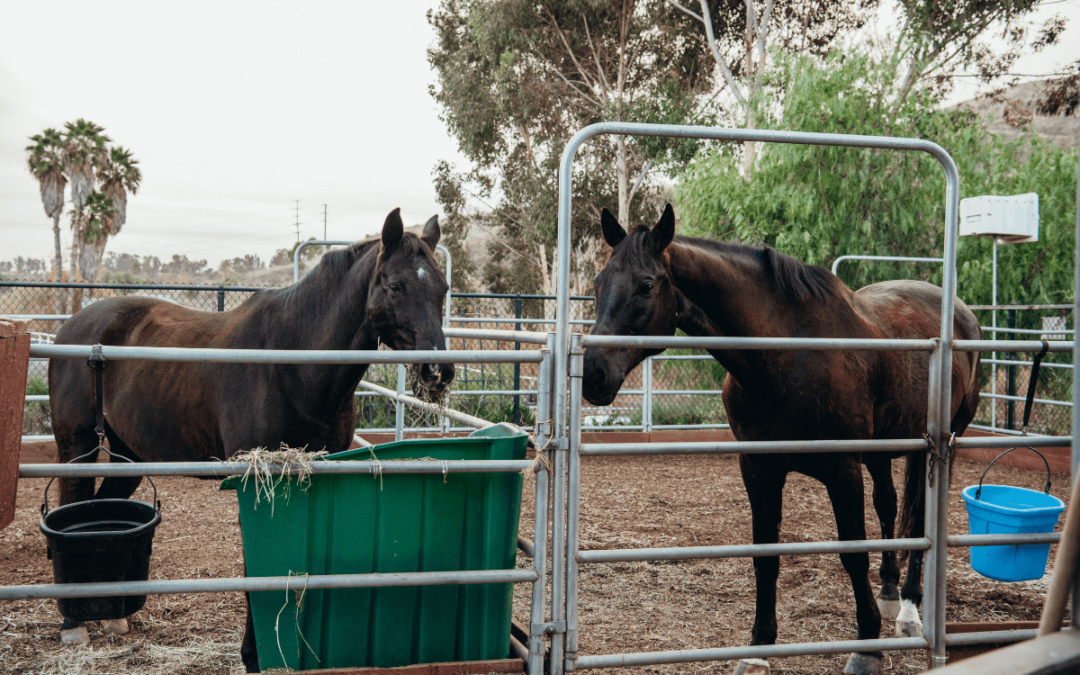
Seven sun pens are scattered across the property. They are designed to allow horses to interact, groom one another, sunbathe, and roll freely outside their stalls. Each pen has a hay bag and water bucket where the horses can slowly graze and stay hydrated while they...
On average, The Shea Center program horses serve for about ten years before retiring. When looking for new program horses, the preferred age is between 6 and 15 years old, allowing many optimal years of serving our clients. Many factors are considered when pondering...
Some of The Shea Center's equine members are shaved/clipped during the winter and summer. Shaving the horse's entire body helps them cool down quicker after being worked and stay cool during the hot summer months. For fun, some horses get fun clipped designs. However,...
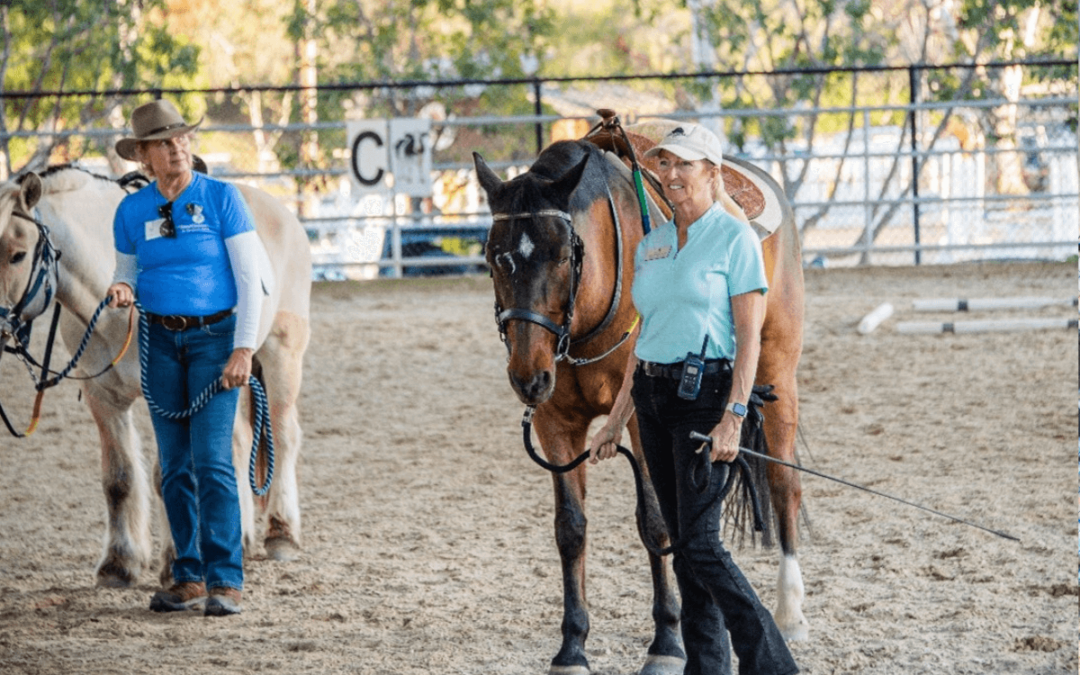
We encourage all staff and volunteers to carry and use a dressage whip when necessary for horse leading and riding. Here’s why: In natural horsemanship, there are four natural riding aids: voice, seat/weight, leg, and hand/rein. When leading a horse, we use these...
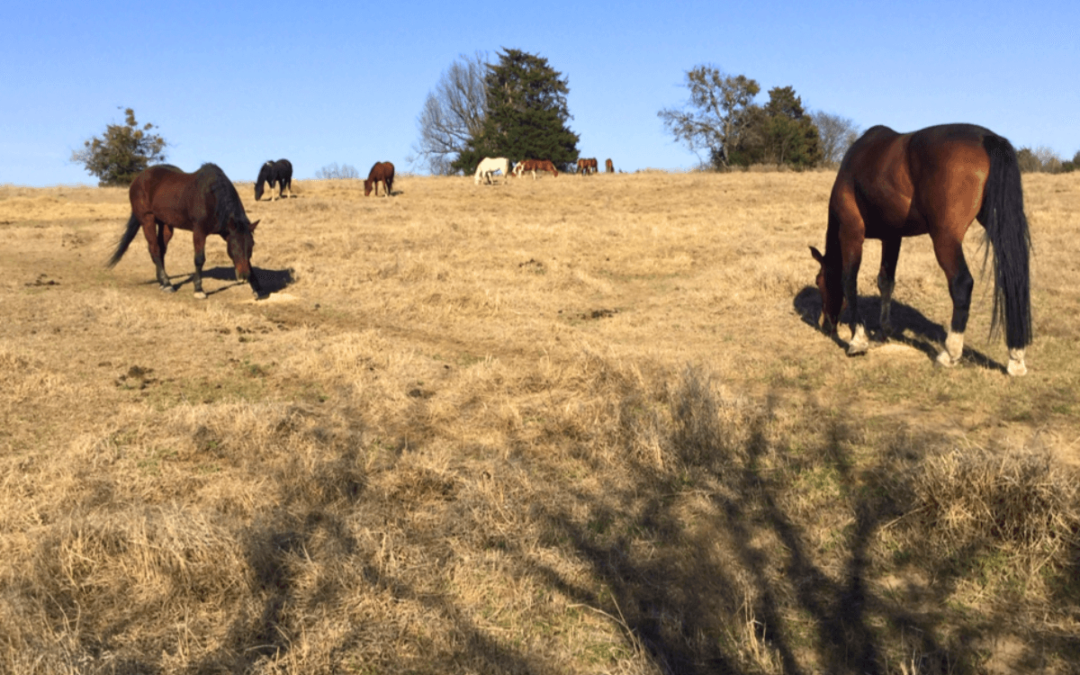
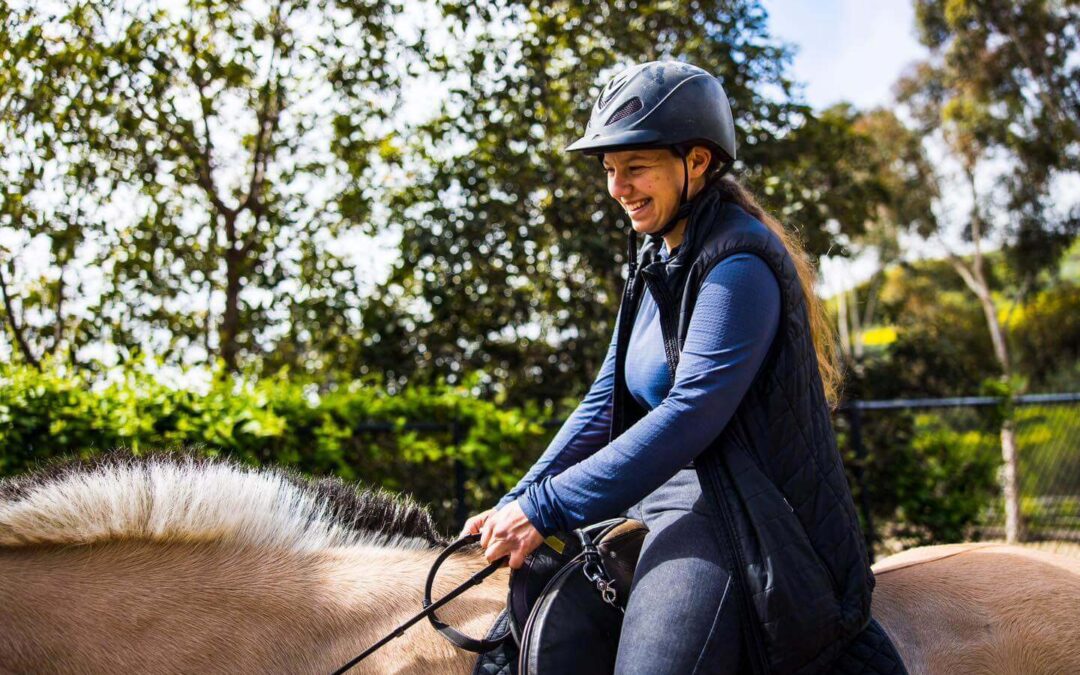
The Shea Center Program currently houses 28 therapy horses acquired through purchase, donation, or loan. These horses possess diverse backgrounds in disciplines such as dressage, jumping, western, English, reining, arena work, or trail riding. While many horses are...
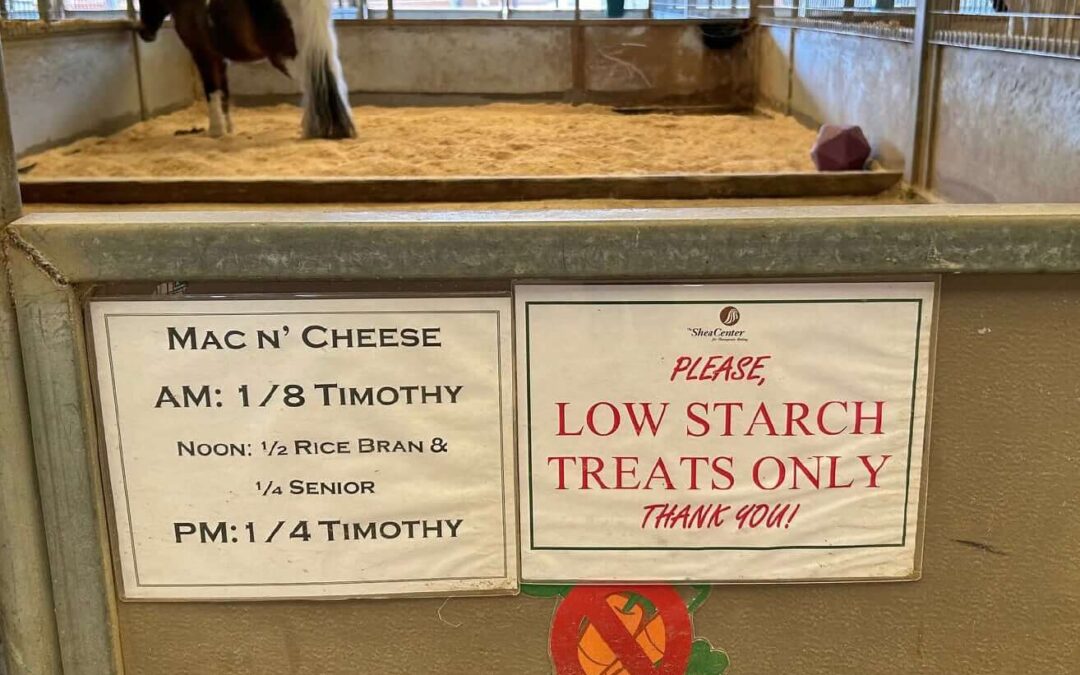
Walking through the barn at The Shea Center, you may notice that some stalls have “low starch treat only” or “no treats” signs. Every program horse is on a specific diet consisting of hay and supplements (donated by Platinum Performance), but adding treats is a fun...
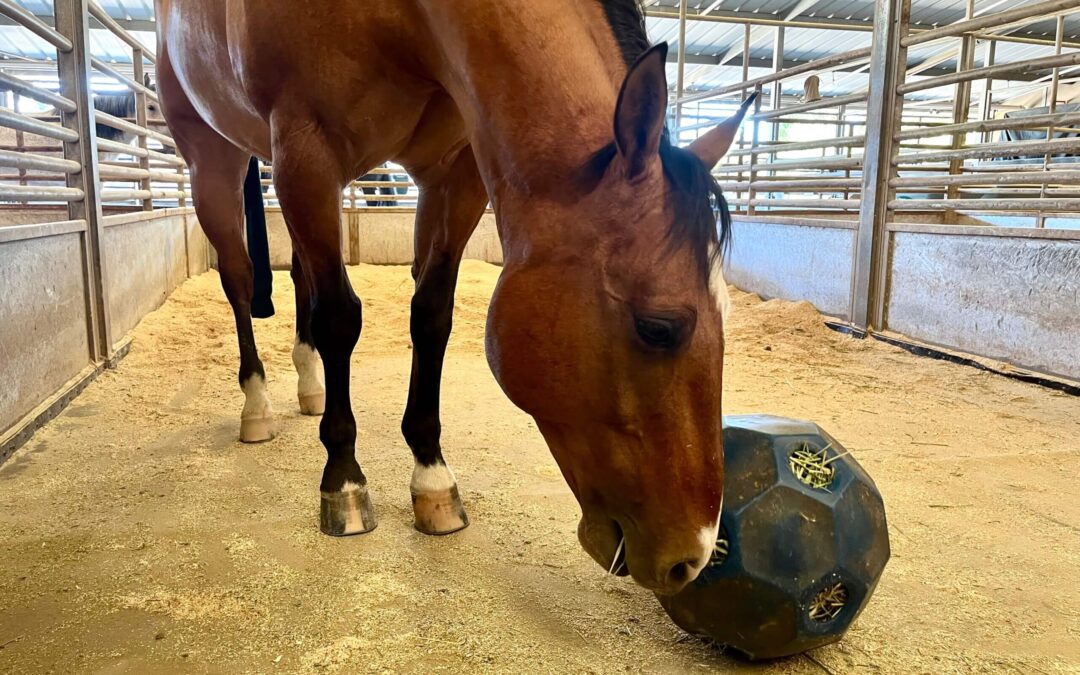
Walking through the barn, you will notice some horses munching on hay balls and treat dispensers. Our dedicated volunteers and Lesson Treatment Assistants (LTAs) fill them twice daily for the horses to enjoy. The Shea Center uses hay balls and treat dispensers as...
Every week, our horses are exercised by program staff members. Each horse has a specially designed exercise/schooling schedule developed by the Equine Operations Manager with veterinarian guidance. Nearly all the horses, with the exception of some ponies (Mac and...
Meet Boots, our charming chestnut Quarter Horse, standing at a perfect 14.1 hands high. He loves going on a trail ride with his herd mates and thrives in adaptive riding lessons, where he serves as a wonderful partner for clients who are building their independent...