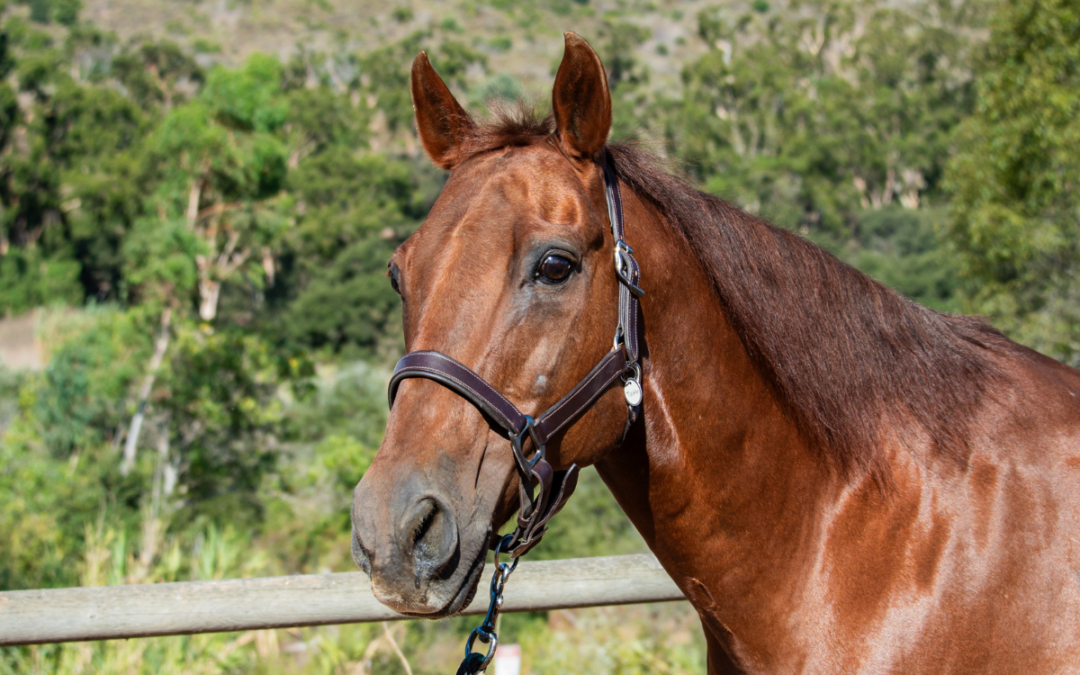
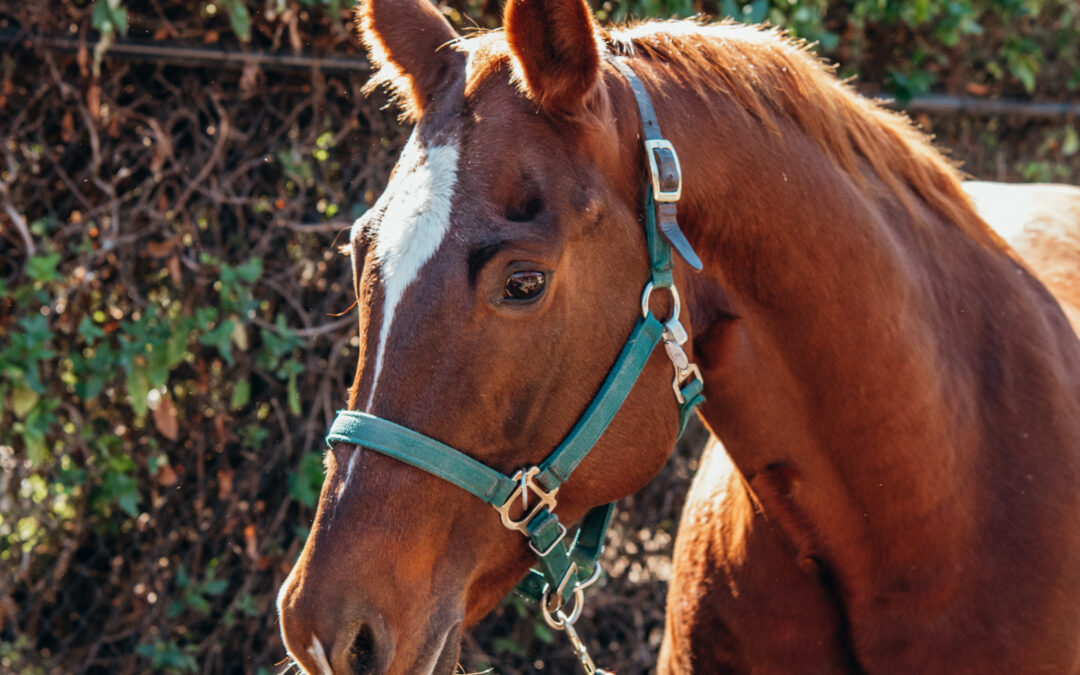
Learn about Tucker, who can tune in to human emotional cues and has become a star in the family military program. Why we love him: Tucker is a gentle, laid-back Quarter Horse gelding. His personality and smooth gait are great for various riders in all programs....
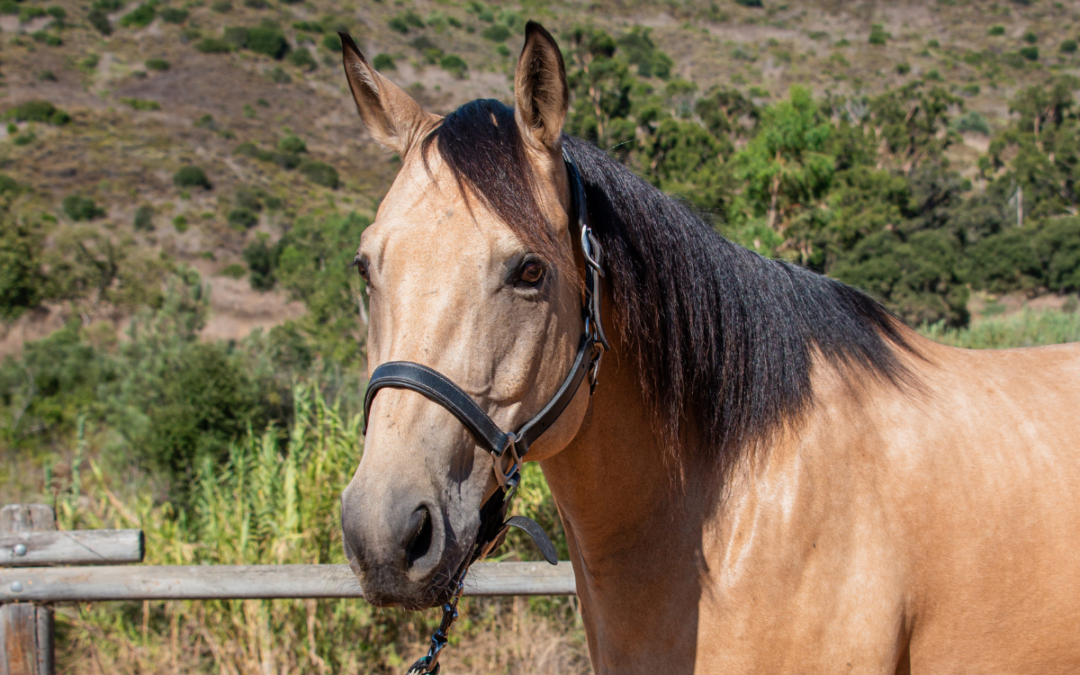
Learn about Romeo, a great therapy horse excelling in our adaptive riding and military programs. Why we love him: Romeo is a tall and strong Quarter Horse gelding with a heart of gold. His solid build and gentle nature make him a valuable member of the herd,...
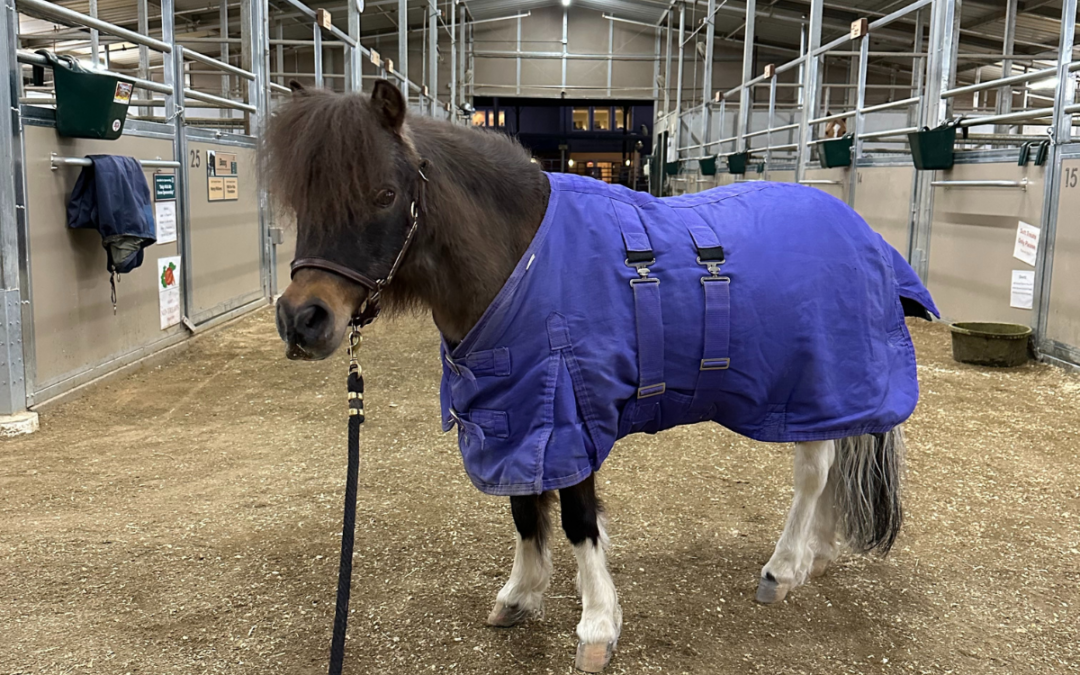
Blankets help horses regulate and maintain their body heat. Some horses with thin or short coats wear blankets during the winter to stay warm on chilly nights. Typically, when nighttime temperatures drop below 55 degrees, a few select horses are outfitted with winter...
In the wild, horses travel around 30 miles daily, grazing and drinking (EquiMed, 2017). For horses that live in a facility, sun pens and mechanical walkers (such as a Eurowalker) can help achieve well-rounded daily exercise in addition to riding and lunging. The Shea...
The Shea Center has a select group of exceptional horses labeled as “staff only.” What does this mean? These horses, due to their unique personalities, receive specialized, one-on-one training from highly skilled staff or volunteers. This focused attention helps them...
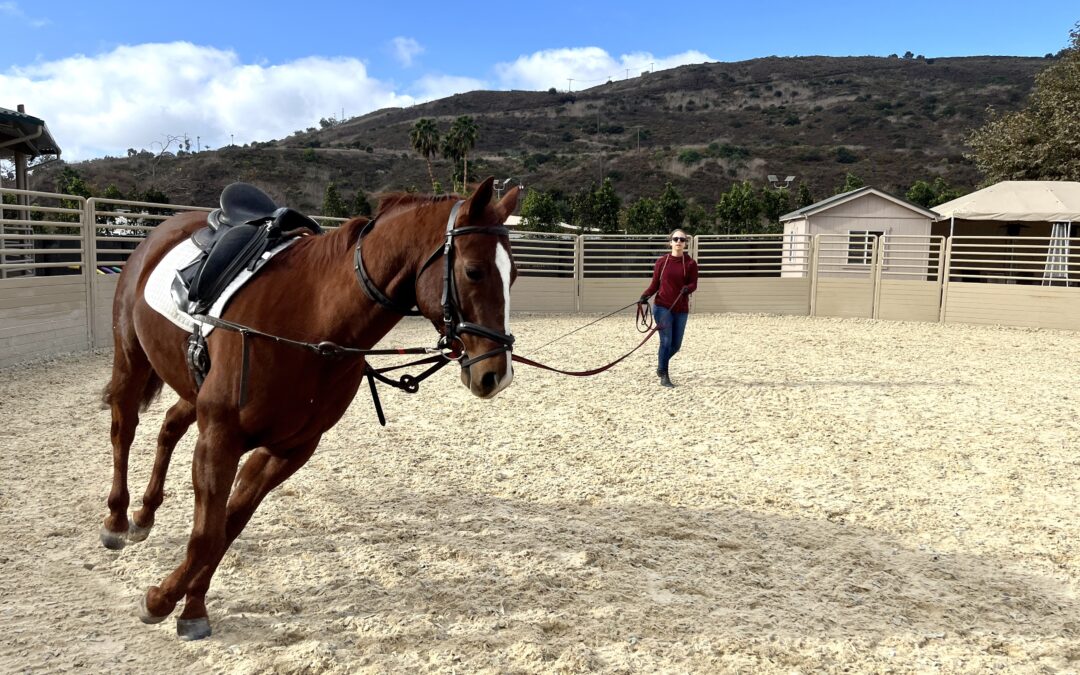
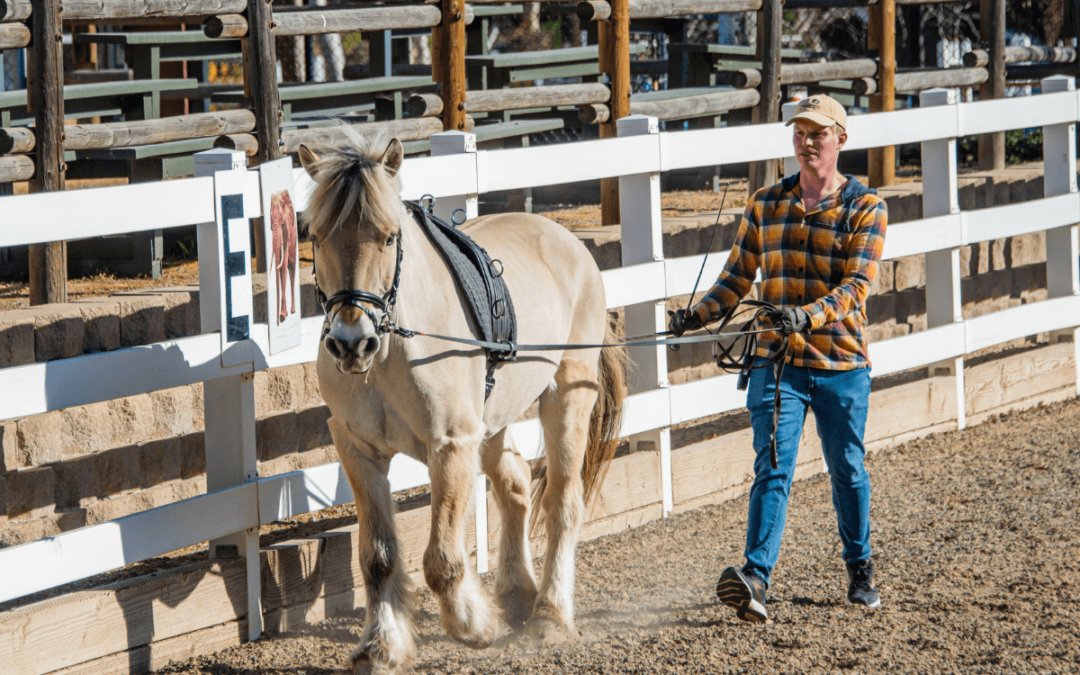
What are side reins, and why do we use them? Side reins are a training aid used when riding or lunging a horse. Lunging is a training technique that involves moving a horse around a handler in a circle while the handler is attached to the horse with a long lead rein,...
The horses at The Shea Center are vital in helping clients achieve their goals. Expenses are required to help keep the herd in excellent condition. To this end, we rely on generous donors to support our horse sponsorship program. The funds are used to acquire...
Did you know that horses have around 205 bones and 700 muscles? A unique fact about horses is that their eyes are set on each side of their head, allowing them to see about 350 degrees. Due to this anatomical distinction, a horse's depth perception is less than that...
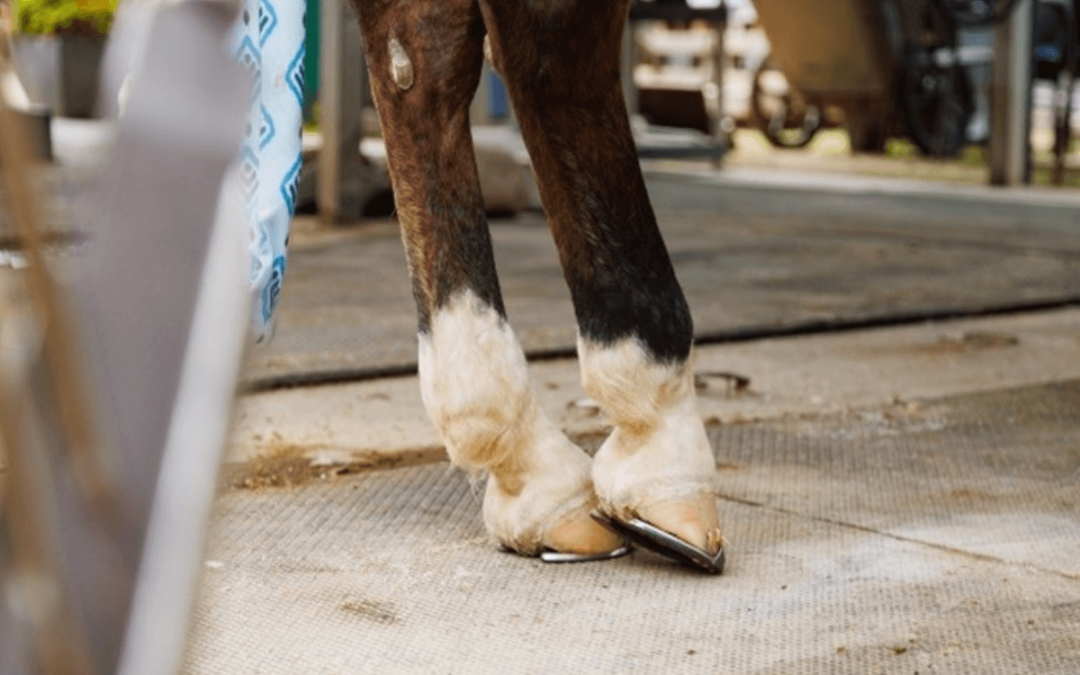
Approximately every 4-6 weeks, the farrier visits The Shea Center to trim and shoe some of our equine members. Horseshoes, typically made from aluminum or steel, protect the horse's hooves and offer additional support during work. A horse's hoof is...
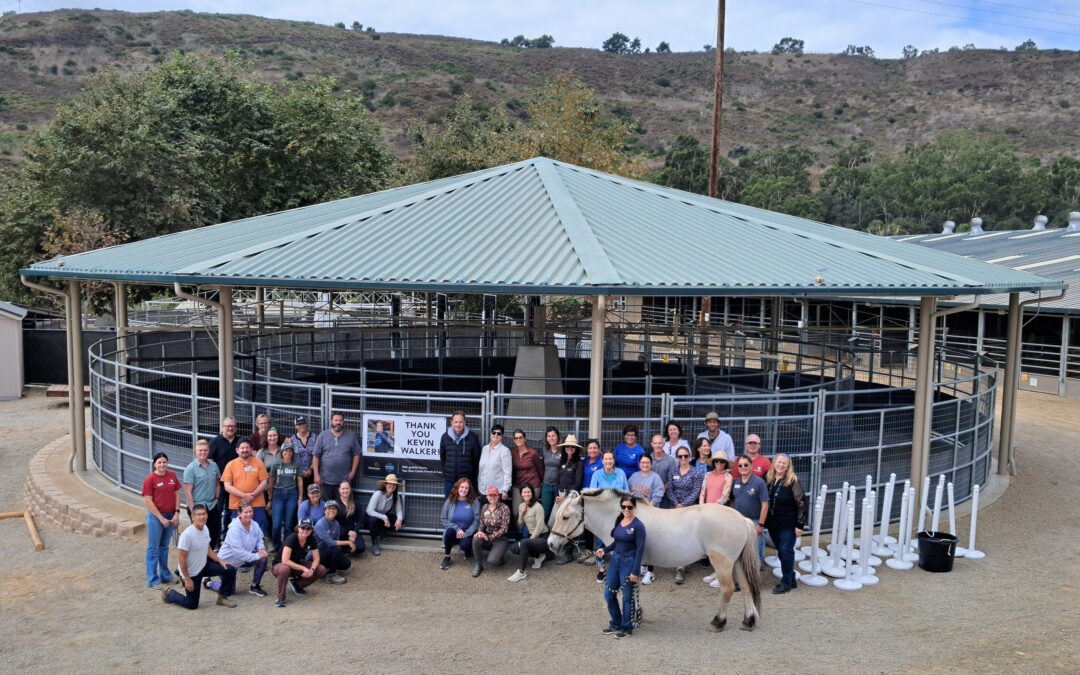
Groundwork is fundamental in a horse's training and learning. It refers to any work where the person working with the horse is on the ground. Groundwork can be through leading, long lining, or ground driving. Every program staff member participates in...